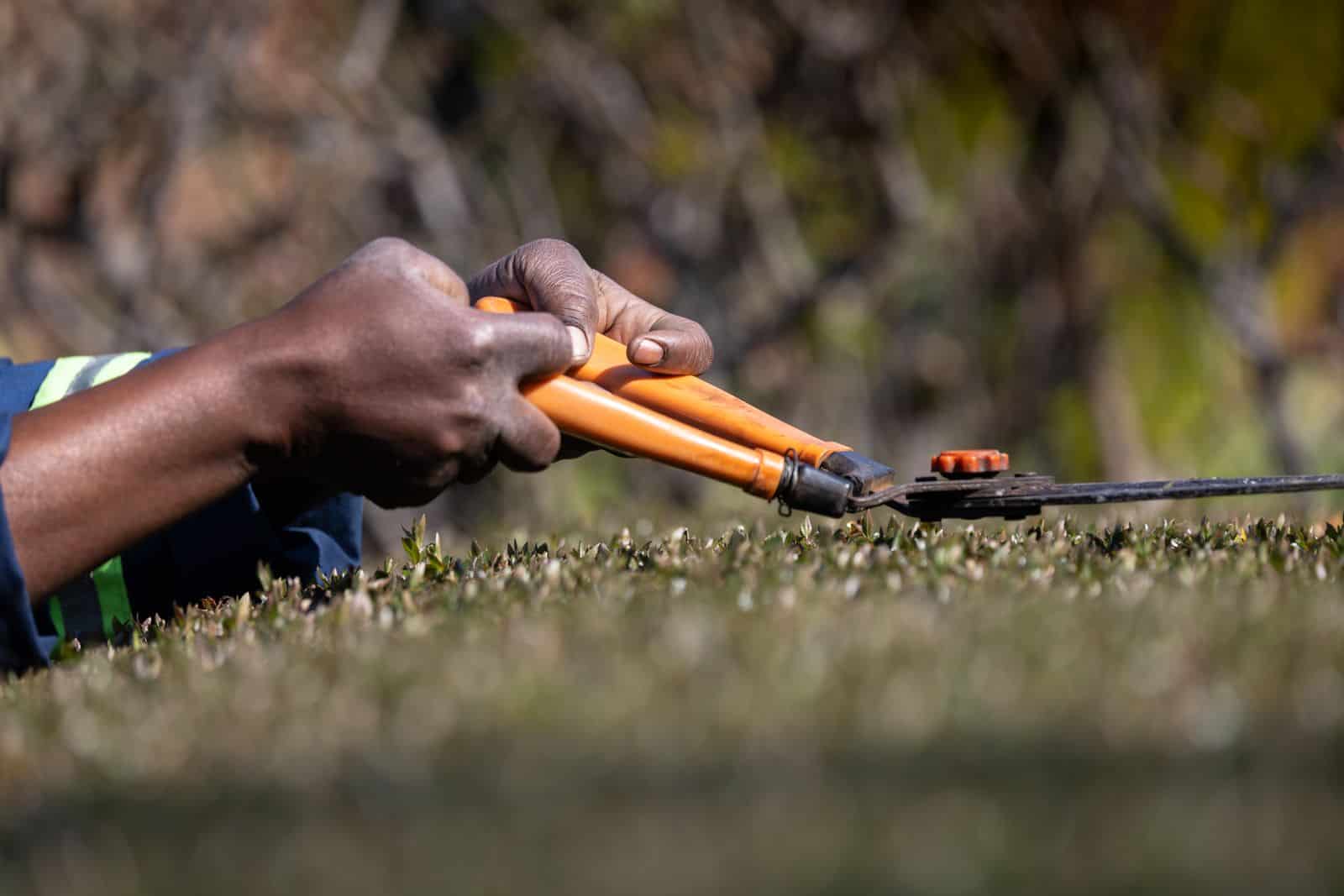
If your hands ache after ten minutes of deadheading, the problem probably isn’t your grip strength — it’s your pruners. Most bypass pruning shears on store shelves are built around an average men’s hand, with a wide grip span and stiff springs that leave smaller or arthritic hands sore and tired. The good news: the best pruning shears for small hands exist, they cost less than you’d think, and picking the right one comes down to a handful of specs, not brand hype.
Below are seven pruners that fit smaller hands without giving up cutting power, plus what to check before you buy.
Table of Contents
- What Makes a Pruner “Small Hand” Friendly
- 7 Best Pruning Shears for Small Hands and Big Jobs
- Bypass vs. Ratchet vs. Anvil: Which Do You Need?
- Keeping Your Pruners Sharp and Disease-Free
- Frequently Asked Questions
- Final Thoughts
Key Takeaways
- Look for a narrow grip span and a lightweight aluminum or steel frame — those two specs matter more than brand name.
- Bypass pruners are the right default for live stems and small branches; save anvil-style tools for dry deadwood.
- A ratchet pruner is worth choosing if you have arthritis or reduced grip strength.
- Most quality pruners top out around ¾ inch to 1 inch of cutting capacity.
- Wipe blades with 70% isopropyl alcohol between plants, and sharpen once a season.
What Makes a Pruner “Small Hand” Friendly
Three specs decide whether a pruner fits a smaller hand, and none of them are the brand on the box.
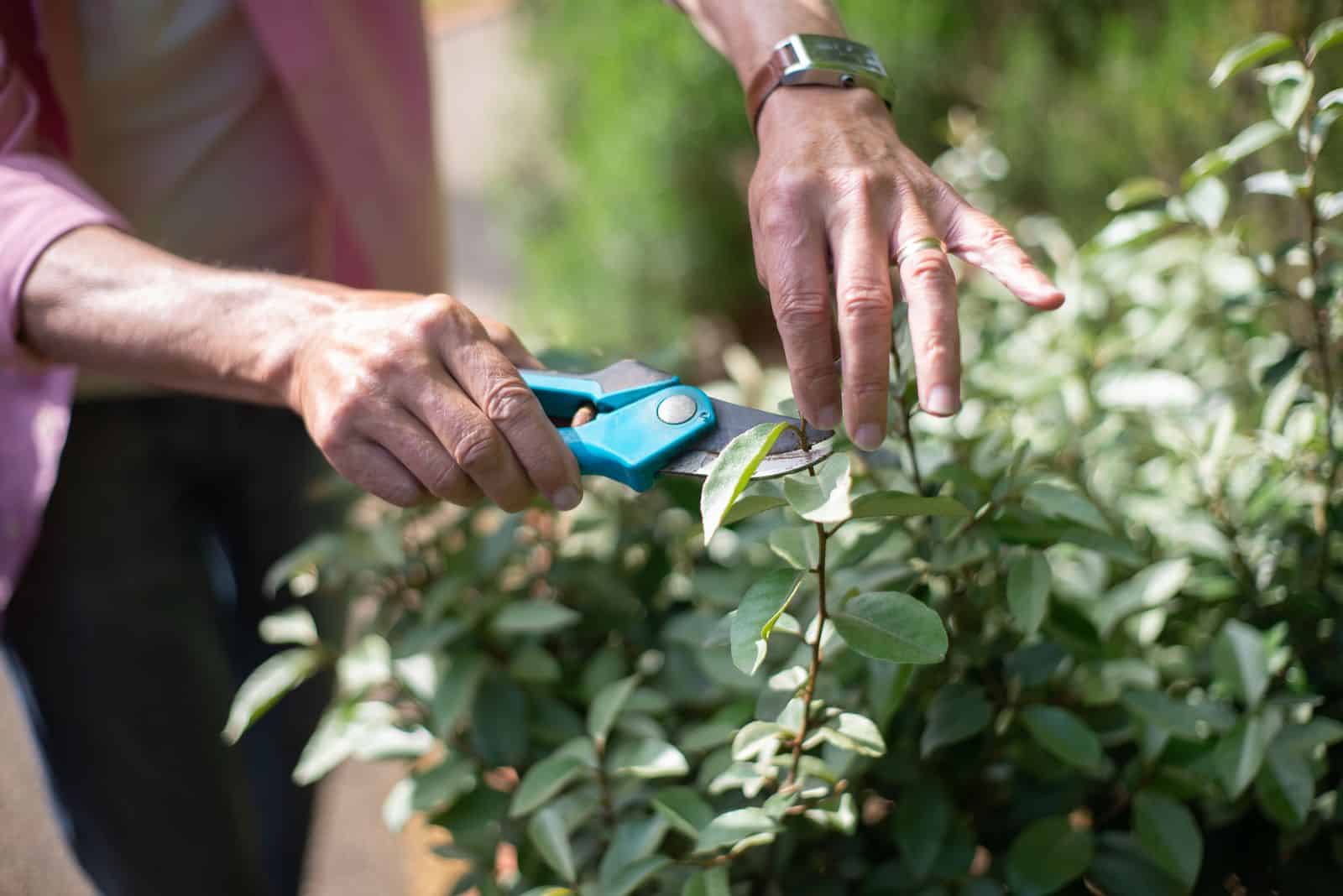
Grip span. This is the distance between the open handles. A wide-span pruner forces you to overextend your fingers on every single cut, which is where hand fatigue and blisters start. Look for pruners marketed as “compact,” “junior,” or explicitly sized for smaller hands.
Weight. Aluminum-handled pruners run noticeably lighter than all-steel models. Over an afternoon of deadheading roses or thinning a hedge, that difference adds up in your forearm.
Spring tension. A stiff return spring means your hand has to fight the tool open after every cut. Softer springs, combined with a lock-back safety catch you can operate with your thumb, make repetitive cuts far less tiring.
If you deal with arthritis, carpal tunnel, or general weak grip, a ratchet mechanism (see below) matters more than any of these three specs alone.
7 Best Pruning Shears for Small Hands and Big Jobs
| Pruner | Best for | Price range | Watch out for |
|---|---|---|---|
| Felco F-6 | Best overall for small hands | $60–$90 | Premium price; replacement parts add up |
| Fiskars Bypass Pruner (Softgrip) | Best budget pick | $15–$25 | Blade needs more frequent sharpening than forged steel |
| Corona Classic Cut Bypass | Best value for daily use | $18–$28 | Slightly wider span than the Felco F-6 |
| Ratchet pruners (e.g., EZ Kut, Gonicc ratchet) | Best for arthritis or weak grip | $15–$30 | Slower — you cut in stages, not one snip |
| Gonicc Titanium Bypass | Best lightweight all-rounder | $15–$25 | Coating wears with heavy use |
| Felco F-9 / Corona left-hand Classic Cut | Best for left-handed gardeners | $25–$90 | Fewer models to choose from |
| Compact anvil loppers | Best for thick, dry deadwood | $20–$40 | Crushes live stems — don’t use on healthy growth |
Felco F-6 — Best Overall for Small Hands
The F-6 is Felco’s smaller-handled version of their classic bypass pruner, and it’s the one most repeatedly recommended for petite or medium-small hands. The narrower grip and lighter aluminum handle make a real difference over a long session, and the hardened steel blade holds its edge through a full season of roses and light shrub work. It costs more than a big-box pruner, but replacement blades and springs are sold separately, so the same pair can last for years.
Fiskars Bypass Pruner — Best Budget Pick
Fiskars’ Softgrip bypass pruners use a contoured handle that doesn’t require a hard squeeze to close — exactly what smaller or weaker hands need. They’re widely available at Home Depot and Lowe’s for a fraction of a premium pruner’s price. The tradeoff is a softer steel blade that dulls faster, so plan on sharpening it more than once a season.
Corona Classic Cut Bypass — Best Value for Daily Use
Corona’s Classic Cut line splits the difference between Fiskars’ price and Felco’s build quality. The handle is a touch wider than the Felco F-6, but the forged steel blade and lifetime warranty make it dependable for gardeners who prune often without wanting to spend Felco money.
Ratchet Pruners — Best for Arthritis or Weak Grip
Ratchet pruners work in small, incremental bites instead of one full squeeze, multiplying your hand’s cutting power several times over — the clear choice if arthritis, carpal tunnel, or general hand weakness makes a hard squeeze painful. The tradeoff is speed: a thick stem takes two or three ratcheting squeezes instead of one clean snip, so they suit occasional pruning better than an all-day hedge-thinning session.
Gonicc Titanium Bypass — Best Lightweight All-Rounder
Gonicc’s titanium-coated bypass pruners are noticeably lighter than steel-only models, which matters most on big jobs like an afternoon of hedge shaping. The coating also resists sap buildup, so blades stay cleaner between wipes. They aren’t built to Felco’s standard, but for the price they punch above their weight.
Bypass vs. Ratchet vs. Anvil: Which Do You Need?
For roughly 90% of what happens in a home garden — deadheading, shaping perennials, cutting live stems and small branches, even pinching out tomato suckers (see our guide on growing tomatoes in containers) — bypass pruners are the right tool. The two blades slide past each other like scissors, giving a clean cut that heals faster and doesn’t crush plant tissue, according to University of Florida IFAS Extension.
Anvil pruners are worth keeping only for dry, dead wood, where a crushing cut doesn’t hurt anything living — used on a live stem, they tear and bruise the tissue and slow healing.
Ratchet pruners aren’t a third cutting style so much as a bypass or anvil blade paired with a mechanical assist: squeeze partway, and the ratchet holds your progress so you can re-grip and squeeze again. That makes them the best option when grip strength, not blade type, is your limiting factor.
Whichever style you pick, don’t force it past its rated capacity — cutting a branch too thick for your pruners damages the plant and ruins the blade edge. Reach for loppers or a pruning saw once you’re past about an inch.
Keeping Your Pruners Sharp and Disease-Free
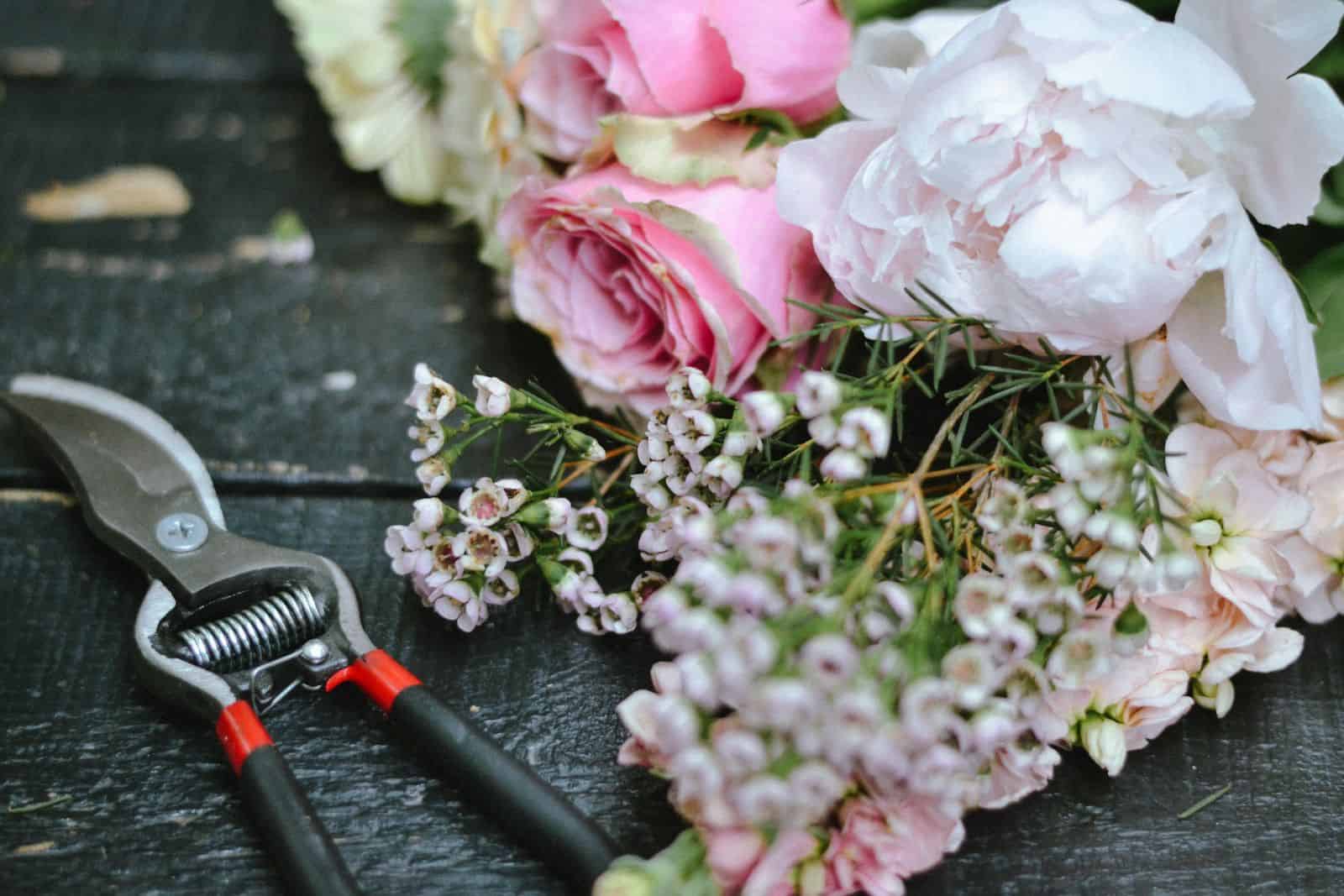
A great pruner with a dull, dirty blade cuts worse than a cheap pruner kept clean and sharp. Wipe sap and debris off after each use, and between plants — especially anything that looks diseased — wipe the blades with 70% isopropyl alcohol, which Iowa State University Extension notes kills most plant pathogens and evaporates without leaving residue. A 10% bleach solution works too, but rinse and dry the blades afterward to prevent rust.
Sharpen the blade once a season with a diamond hone, or take it to a sharpening service — a sharp edge needs less hand force, which matters even more if small hands are why you’re reading this.
Frequently Asked Questions
What size pruners are best for small hands?
Look for pruners marketed as compact or “small hand” models, like the Felco F-6, rather than a standard-size pruner in a smaller color. Grip span — how far the handles open — matters more than the tool’s overall length.
Are ratchet pruners as good as regular bypass pruners?
For everyday live-stem cutting, a quality bypass pruner gives a cleaner, faster cut. Ratchet pruners trade some speed for a big reduction in required grip strength, which makes them the better choice for gardeners with arthritis, weak grip, or hand pain.
What if I’m left-handed?
A right-handed bypass pruner in a left hand isn’t just awkward — the blade geometry is mirrored, so the edge ends up on the wrong side and the cut tears instead of slicing clean. Look for a true left-hand build, like the Felco F-9 or Corona’s left-handed Classic Cut, rather than just a smaller right-hand pruner.
How do I know if a branch is too thick for my pruners?
Check the manufacturer’s rated cutting capacity, usually printed on the tool or packaging. Most bypass hand pruners top out around ¾ inch to 1 inch. Forcing a thicker branch bends the blade and strains the pivot — switch to loppers instead.
Do I need to disinfect pruning shears between every plant?
At minimum, disinfect between plants when removing anything diseased, and ideally between every cut on a plant you know is infected. For routine, healthy pruning, a wipe-down at the end of the session is enough, per Iowa State University Extension.
Final Thoughts
The “best” pruning shears aren’t the priciest ones on the shelf — they’re the pair that actually fits your hand, so you reach for them instead of avoiding pruning altogether. Start with grip span and weight, match the blade style to what you’re actually cutting, and keep the blade clean and sharp. If you’re still assembling your basic kit, take a look at our essential garden tools for beginners guide, or browse the rest of our Tools & Gear reviews for more picks tested for real backyard use.