If you’ve ever flipped on a lamp near your houseplants and watched a cloud of tiny black flies scatter, you already know how frustrating fungus gnats are. They’re not dangerous to you or your pets, but they’re relentless, and they multiply fast in the same moist potting soil your plants depend on.
The good news: learning how to get rid of fungus gnats doesn’t require tossing out your plant collection or reaching for harsh chemicals. Most infestations clear up in three to four weeks once you break their breeding cycle at the source — the top inch or two of wet soil.
This guide walks through exactly why fungus gnats show up, how to tell them apart from fruit flies, and the step-by-step process for getting rid of them for good.
Table of Contents
- What Are Fungus Gnats?
- Why You Have Fungus Gnats
- How to Get Rid of Fungus Gnats: 5 Steps
- Preventing Fungus Gnats From Coming Back
- Frequently Asked Questions
- Final Thoughts
Key Takeaways
- Fungus gnats breed in the top inch of moist potting soil — drying it out between waterings is the single most effective fix.
- Yellow sticky traps catch the adults; a Bacillus thuringiensis israelensis (BTI) drench kills the larvae living in the soil.
- BTI needs to be reapplied every 5–7 days for a few weeks, since it kills larvae but not eggs or pupae.
- A half-inch layer of sand or diatomaceous earth on top of the soil stops adults from laying new eggs there.
- Most infestations clear up in 3–4 weeks if you’re consistent with all of the above.
What Are Fungus Gnats?
Fungus gnats are small, dark, mosquito-like flies about 1/8 inch long, with long dangling legs and a slender body. They’re weak fliers — you’ll usually see them walking across the soil surface or fluttering a few inches above the pot rather than zipping around the room.
They’re often confused with fruit flies, but the two are easy to tell apart once you know what to look for, according to the University of Minnesota Extension.
| Feature | Fungus Gnats | Fruit Flies |
|---|---|---|
| Body shape | Slender, mosquito-like, long legs | Rounded, stouter body |
| Color/eyes | Dark gray to black, small eyes | Tan to black, large red eyes |
| Where you find them | In and around potting soil | Near ripe fruit, drains, trash |
| What they breed in | Moist organic matter in soil | Fermenting food and liquids |
If your gnats are hovering over houseplant soil rather than the fruit bowl, you’re almost certainly dealing with fungus gnats.
Adult fungus gnats live only about a week, but a single female can lay up to 200 eggs in that time, right on the soil surface. Those eggs hatch into larvae within a few days, and the larvae spend about two weeks feeding on fungi, algae, and decaying organic matter in the soil before pupating into more adults. In warm indoor conditions, that whole cycle can repeat in as little as three weeks — which is why a small annoyance turns into a full-blown swarm so quickly.
Why You Have Fungus Gnats
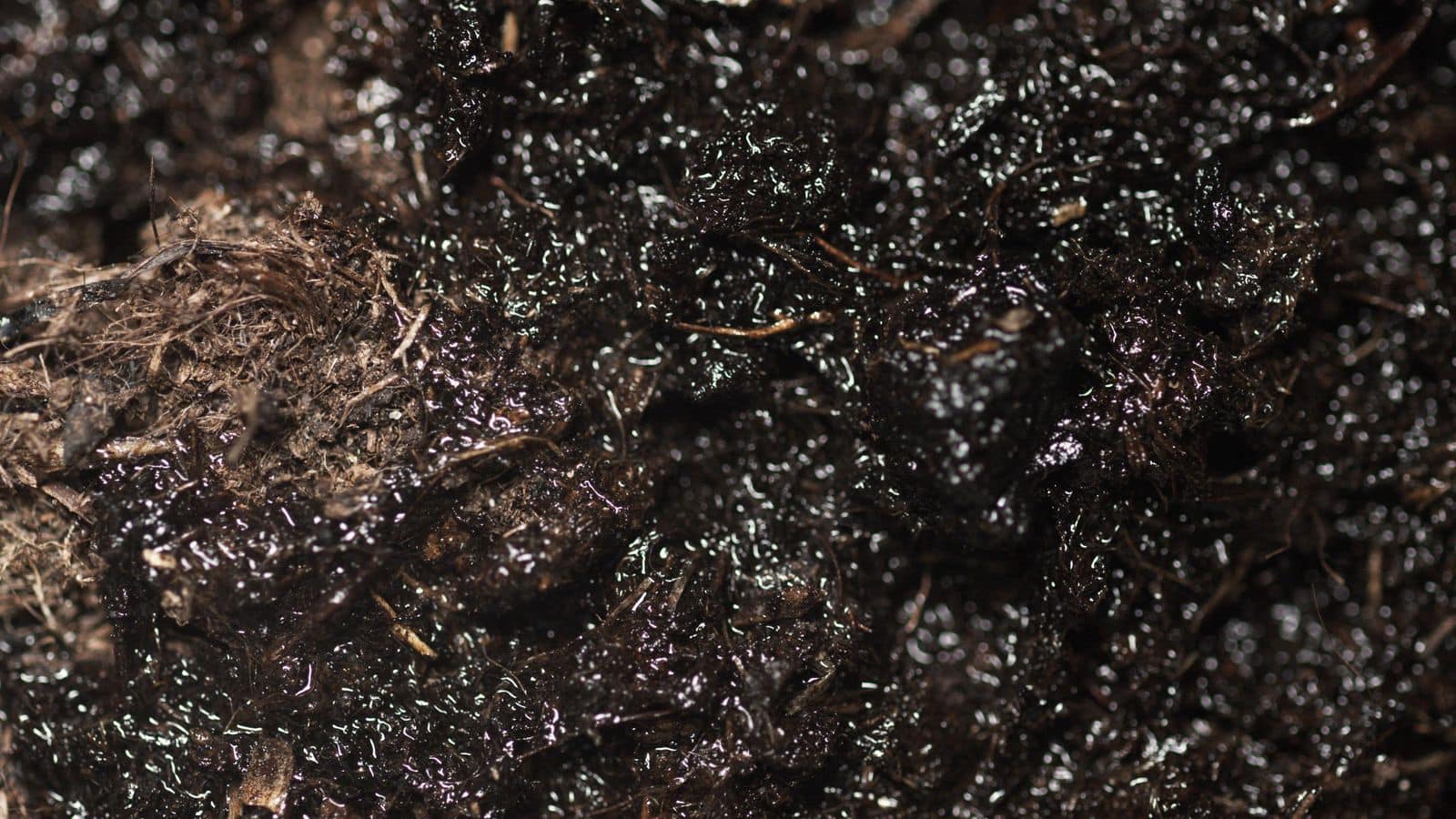
Fungus gnats don’t show up randomly. They’re chasing one thing: consistently moist, organic-rich soil. A few common causes:
- Overwatering. Soil that never fully dries out is exactly what fungus gnat larvae need to thrive.
- New potting mix or plants. Bagged potting soil and nursery pots can carry eggs or larvae in from the start.
- Overflow trays and saucers. Standing water under a pot keeps the bottom of the soil perpetually damp, even if the surface looks dry.
- Decomposing organic matter. Old mulch, dead roots, or debris on the soil surface gives larvae extra food to feed on.
If you’ve had a plant sitting in soggy soil for a while, it’s also worth checking the roots — chronic overwatering that invites fungus gnats is often the same overwatering that leads to root rot, so the fix for one usually helps the other.

How to Get Rid of Fungus Gnats: 5 Steps
1. Let the soil dry out
This is the most important step. Let the top 1 to 2 inches of soil dry out completely between waterings — fungus gnat larvae can’t survive in dry soil, so simply changing your watering habits starves out the next generation. Stick a finger into the pot before watering; if it’s still damp an inch down, wait.
2. Switch to bottom-watering
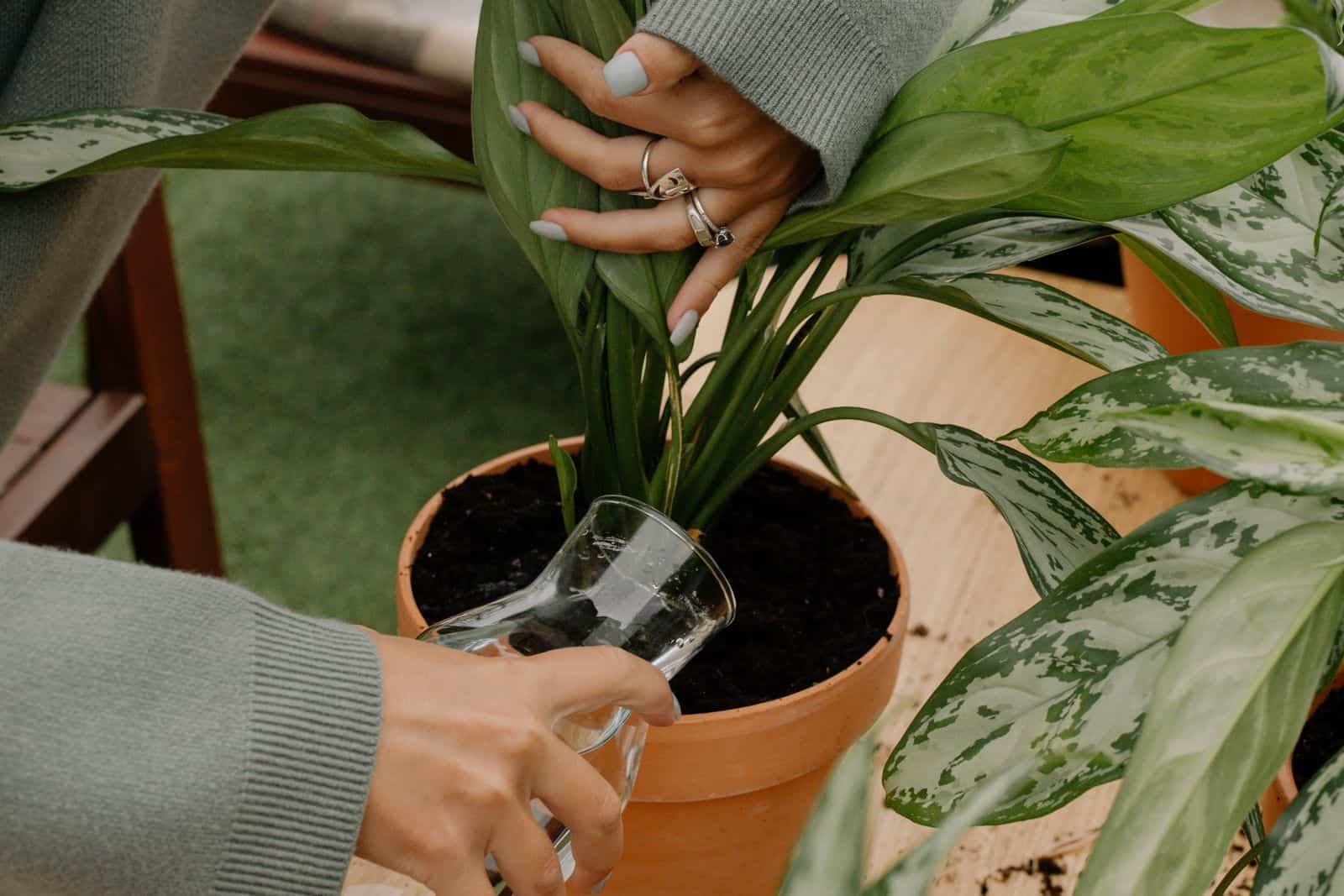
Set the pot in a shallow tray of water for 15 to 30 minutes, let it soak up what it needs through the drainage holes, then remove any standing water. This keeps the soil surface dry — right where adult gnats lay their eggs — while the roots still get watered properly. A simple watering can with a narrow spout also makes it easier to water precisely at the soil line instead of splashing the surface.
3. Put out yellow sticky traps
Yellow sticky traps are cheap, non-toxic, and genuinely effective against the adult stage. Push a few into the soil near the base of infested plants. They won’t stop larvae already in the soil, but they cut down egg-laying and give you a quick visual read on how bad the infestation is and whether your other steps are working.
4. Add a barrier topdressing
Cover the soil surface with a half-inch layer of coarse sand, aquarium gravel, or diatomaceous earth. This physically blocks adult gnats from reaching moist soil to lay eggs, and it dries out faster than bare potting mix, making the surface even less appealing to them.
5. Treat the larvae with BTI
For an active infestation, treat the soil with Bacillus thuringiensis var. israelensis (BTI) — the same biological larvicide sold as mosquito dunks or mosquito bits. Soak about 4 tablespoons of BTI granules in a gallon of water for 30 minutes, then use that water to irrigate your plants as usual. BTI targets fungus gnat larvae specifically and is harmless to people, pets, and beneficial insects.
Because BTI kills larvae but not eggs or pupae, repeat the drench every 5 to 7 days for two to three cycles to catch newly hatched larvae as they emerge. Paired with the watering changes above, most infestations are gone within three to four weeks.
Preventing Fungus Gnats From Coming Back
- Keep a consistent watering schedule and always check soil moisture before adding more.
- Empty saucers and cache pots after watering — don’t let plants sit in standing water.
- Quarantine new plants for a couple of weeks before placing them near the rest of your collection.
- Remove dead leaves and debris from the soil surface regularly.
- Consider repotting chronically soggy plants into a well-draining mix if the current one holds too much moisture.
Frequently Asked Questions
Do fungus gnats damage my plants?
In small numbers, they’re mostly a nuisance. In large numbers, the larvae can feed on fine root hairs, which may slow growth or cause wilting in seedlings and young plants, according to the Missouri Botanical Garden. Established houseplants usually tolerate a moderate infestation without lasting harm.
Can I get rid of fungus gnats without chemicals?
Yes. Drying out the soil, bottom-watering, sticky traps, and a topdressing barrier are all non-chemical and handle most household infestations on their own. BTI is a biological control, not a synthetic pesticide, and it’s considered safe for indoor use around people and pets.
How long does it take to get rid of fungus gnats?
Most infestations clear up in three to four weeks with consistent treatment. Because eggs and larvae are protected in the soil at any given moment, it takes a few BTI cycles and a change in watering habits to fully break the life cycle — patience matters more than any single trick.
Are fungus gnats the same as fruit flies?
No. Fungus gnats have slender, mosquito-like bodies and breed in moist potting soil, while fruit flies have rounder bodies, large red eyes, and breed in ripe or fermenting food. If your gnats are hanging around your plants and not your fruit bowl, they’re fungus gnats.
Will a houseplant with fungus gnats always have root rot?
Not necessarily, but the two problems share the same root cause — soil that stays wet too long. If your plant looks droopy or the soil takes many days to dry out even in a small pot, check the roots for a mushy, dark texture, a sign of overwatering rather than the gnats themselves.
Final Thoughts
Fungus gnats are annoying, but they’re rarely a real threat to your plants — and they’re very fixable once you know the soil is the whole battlefield. Cut back on surface moisture, add a barrier and some sticky traps, and hit the larvae with a BTI drench for a few weeks. For more on getting your watering routine right in the first place, check out our Plant Care section for guides on avoiding the overwatering mistakes that invite gnats — and root rot — in the first place.