Wilting leaves on a plant you just watered feels backwards, but it’s one of the clearest signs of trouble. If the soil is soggy and the leaves are drooping anyway, you’re likely looking at root rot — and knowing how to save an overwatered plant fast is the difference between losing it and watching it bounce back.
The good news: caught early, most overwatered houseplants recover. The roots just need air, the rotted tissue needs to go, and the watering habit that caused it needs to change. Here’s exactly how to do all three.
This guide walks through spotting root rot, the step-by-step rescue, and how to keep it from happening again.
Table of Contents
- How to Tell If Your Plant Has Root Rot
- How to Save an Overwatered Plant: Step-by-Step
- Overwatered vs. Underwatered: Know the Difference
- When It’s Too Late to Save the Plant
- Preventing Root Rot After the Rescue
- Frequently Asked Questions
Key Takeaways
- Root rot shows up as wilting despite wet soil, yellowing leaves, and a musty smell from the pot.
- Healthy roots are firm and white; rotted roots are dark, mushy, and often slide apart in your hand.
- Unpot the plant, rinse the roots, cut away anything soft or discolored, and repot into fresh, well-draining mix.
- If more than half the root system is gone, focus on saving a healthy cutting instead of the whole plant.
- Prevention is simpler than rescue: water only when the top 1–2 inches of soil are dry, and always use a pot with drainage holes.
How to Tell If Your Plant Has Root Rot
Overwatering and root rot cause a strange mix of symptoms because they mimic thirst. According to Penn State Extension’s plant diagnostic guide, overwatered plants show wilted leaves along with soggy soil, and stems can rot right at the soil line. Roots affected by rot turn “dark-colored and limp” instead of the firm, pale tissue of a healthy root system.
Before you do anything else, confirm it’s actually root rot:
- Check the soil. If it’s still wet more than a few days after your last watering, drainage or watering frequency is likely the problem.
- Smell the pot. A sour, swampy odor is a strong indicator of rot in progress.
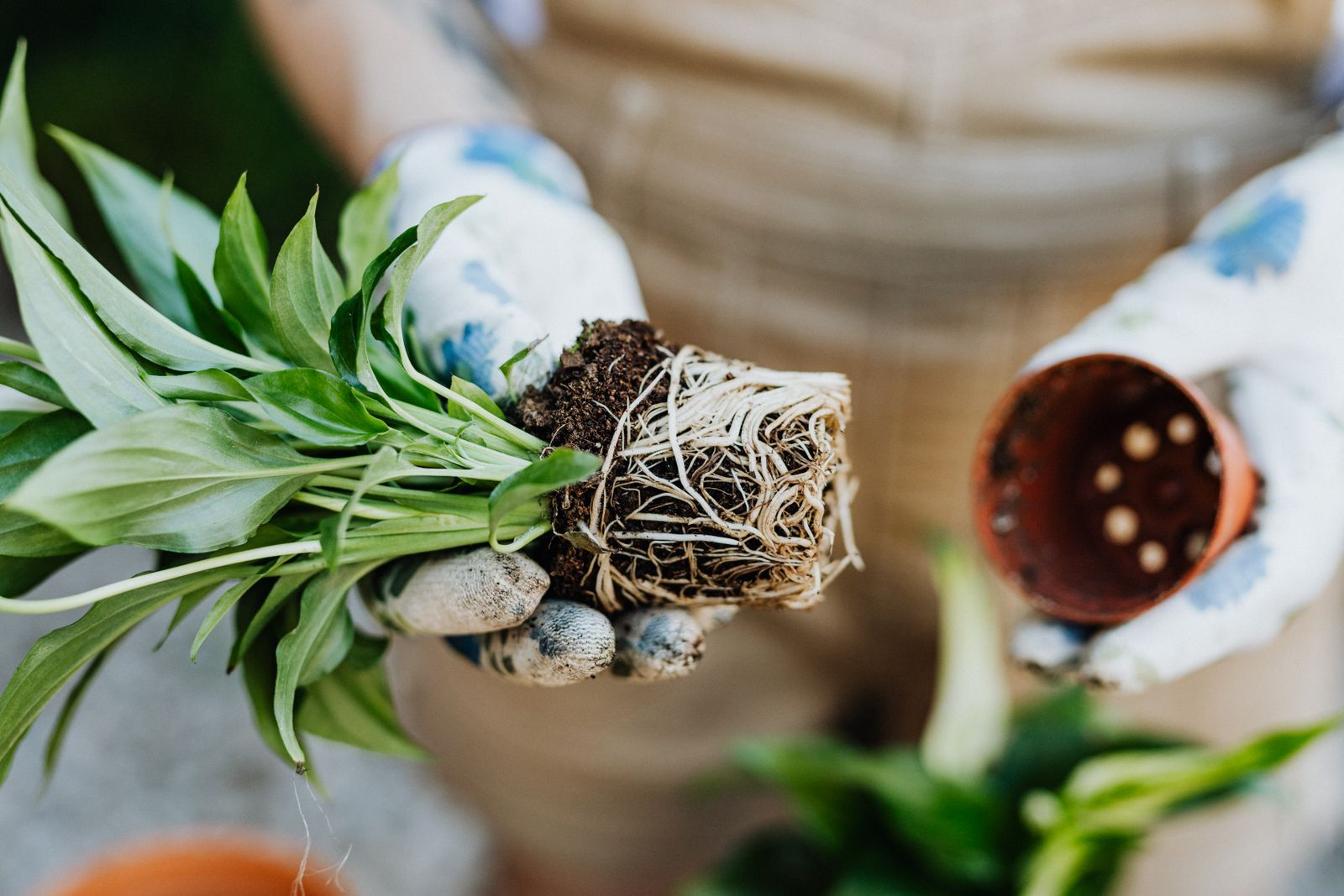
- Gently unpot the plant. Healthy roots are white or light tan and firm. Rotted roots look brown or black, feel mushy, and may slip off in your fingers, according to the University of Wisconsin’s Plant Disease Diagnostics Clinic, which identifies Pythium, Phytophthora, Rhizoctonia, and Fusarium as the fungi and water molds most commonly responsible for houseplant root rot.
If you’re also noticing yellow leaves on the plant, overwatering and root rot are two of the most common causes — it’s worth ruling out the other culprits there too.
How to Save an Overwatered Plant: Step-by-Step
Once you’ve confirmed root rot, act quickly. Iowa State University Extension notes that root rot pathogens spread in wet, poorly aerated soil, so the longer roots sit in that environment, the more tissue you lose.
- Remove the plant from its pot and gently knock or rinse off the old soil so you can see the full root system.
- Inspect every root. Firm and white or tan means healthy. Dark, soft, or slimy means it has to go.
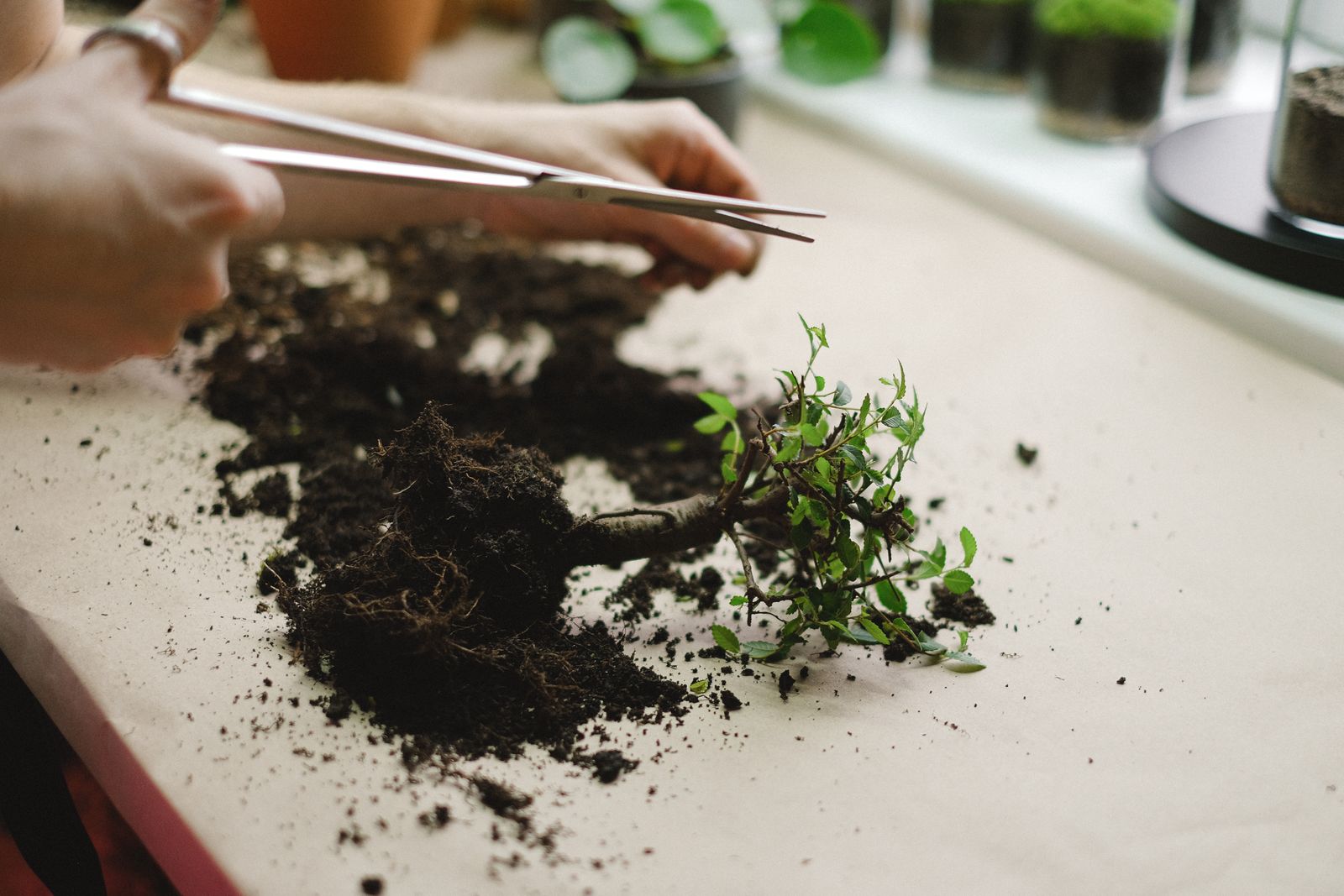
- Cut away the damaged roots with clean, sharp scissors or shears, sterilized with rubbing alcohol between cuts to avoid spreading the pathogen to healthy tissue.
- Discard the old soil. Don’t reuse it — Iowa State Extension points out that potting mix and drainage water can carry the pathogen to your next plant.
- Repot into fresh, well-draining potting mix and a clean pot with drainage holes. If the original pot has no drainage, this is the moment to size up into one that does.
After repotting, water sparingly for the next couple of weeks — just enough to keep the fresh soil from drying out completely — and hold off on fertilizer until you see new growth. That’s the plant telling you the roots are working again.
Overwatered vs. Underwatered: Know the Difference
Yellowing, drooping leaves can mean too much water or too little, and treating one like the other makes things worse. Use this table to sort out which you’re dealing with.
| Symptom | Overwatered | Underwatered |
|---|---|---|
| Soil | Wet, soggy, slow to dry | Dry, pulling away from pot edges |
| Leaves | Yellow, soft, or mushy | Yellow-brown, crispy, curling |
| Smell | Sour or swampy | No unusual smell |
| Roots | Dark, mushy, foul-smelling | Dry, brittle, but pale |
| Fix | Reduce watering, improve drainage, treat rot | Water thoroughly, check for waterproof cache pots |
When It’s Too Late to Save the Plant
Not every case of root rot ends with a full recovery, and that’s worth knowing going in. If most of the root system is dark and mushy, or the stem itself has gone soft, the plant may not have enough healthy tissue left to regrow roots.
In that case, look for any remaining firm, green stem or a few healthy leaves. Many common houseplants — pothos, philodendron, and snake plant among them — root readily from a healthy cutting in water or fresh soil, even when the original root system is a lost cause. It’s a better use of your time than nursing a plant with no roots left to work with.
Preventing Root Rot After the Rescue
The rescue only sticks if the habit that caused it changes too. Iowa State Extension lists moderating soil moisture and using a well-drained growing medium as the two biggest prevention factors, and both are fully within your control:
- Water on the plant’s schedule, not the calendar. Check the top 1–2 inches of soil with your finger and water only when it’s dry to that depth.
- Always use pots with drainage holes. If you love a decorative pot without one, keep the plant in a nursery pot inside it and lift it out to water.
- Choose a fast-draining potting mix, and avoid packing it down tightly, which limits the airflow roots need.
- Empty saucers after watering. Roots sitting in standing water are exactly the wet, low-oxygen conditions rot-causing organisms need.
- Watch for fungus gnats. Their larvae thrive in the same soggy soil that causes root rot, so seeing them is often an early warning sign — our guide on getting rid of fungus gnats covers the connection in more detail.
Frequently Asked Questions
Can a plant recover from root rot on its own?
No. Root rot doesn’t reverse itself — the damaged tissue stays damaged, and the pathogen keeps spreading through wet soil. You need to physically remove the affected roots and correct the growing conditions.
How long does it take for a plant to recover after treating root rot?
Most houseplants show new growth within two to four weeks if enough healthy root tissue remained. Full recovery to the plant’s previous size can take a full growing season.
Is hydrogen peroxide safe to use on root rot?
Some growers rinse trimmed roots in a diluted hydrogen peroxide solution as an extra precaution before repotting, since it helps oxygenate the root zone. It’s not a substitute for cutting away rotted tissue and fixing the drainage and watering issue that caused the rot in the first place.
Do all overwatered plants get root rot?
Not immediately. A single overwatering usually just means soggy soil for a day or two. Root rot sets in when soil stays consistently wet long enough for fungi and water molds to establish, which is why drainage and watering frequency matter more than any single watering.
Which houseplants are most prone to root rot?
Plants adapted to drier native conditions — snake plant, pothos, succulents, and cacti — are especially sensitive because their roots evolved for fast-draining, infrequently wet soil. They tolerate underwatering far better than they tolerate wet feet.
Final Thoughts
Root rot looks alarming, but it’s one of the most fixable houseplant problems out there if you catch it early and aren’t afraid to trim aggressively. Cut what’s damaged, fix the drainage, and let the plant’s schedule — not your calendar — decide when it gets watered next. If yellowing leaves are what tipped you off in the first place, our yellow leaves diagnostic guide walks through the other common causes so you know exactly what you’re dealing with. For more on keeping your indoor plants thriving, browse the full Plant Care category.