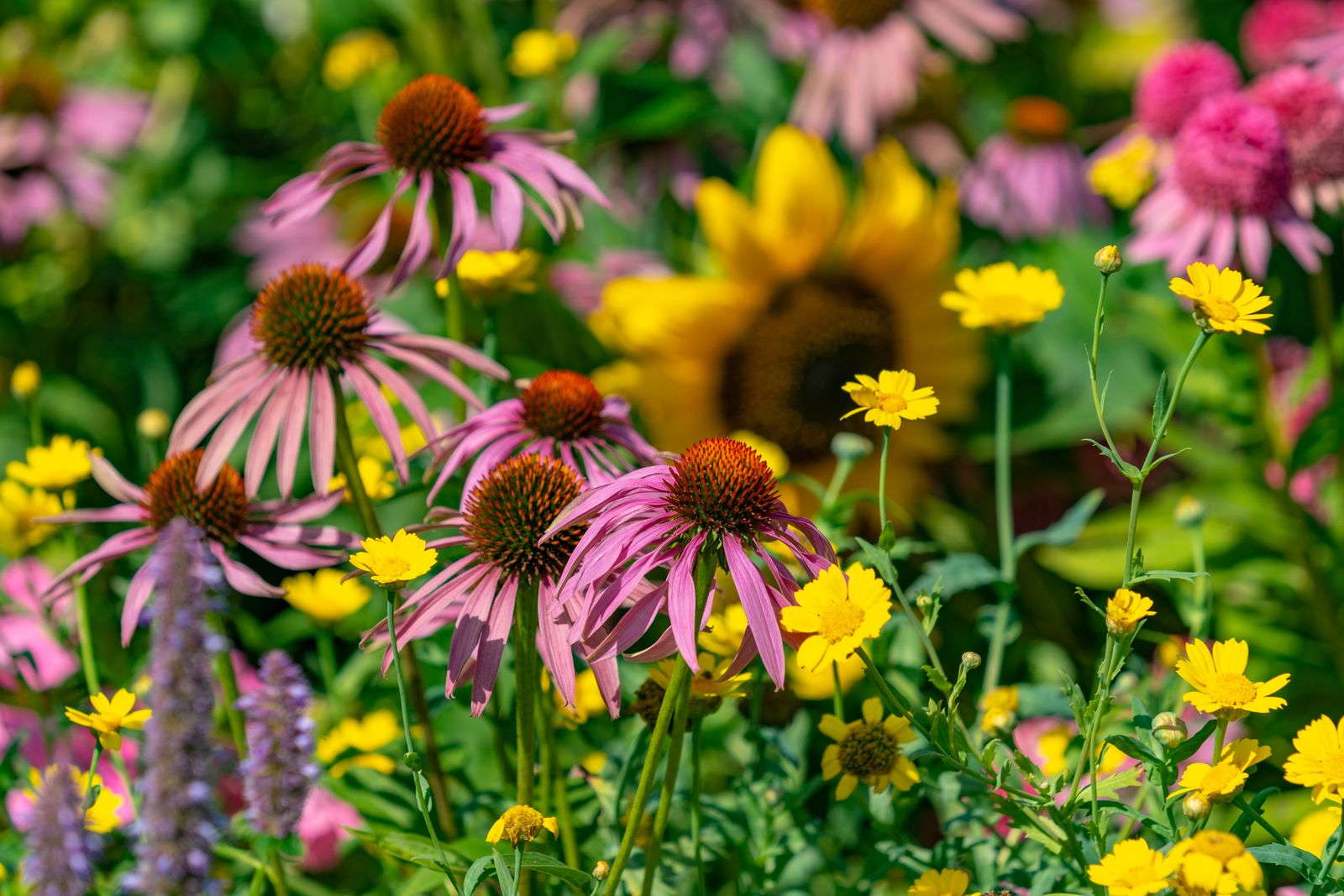
You don’t need acreage or a landscaping budget to plant a pollinator garden. A single sunny bed, a strip along the driveway, or even a cluster of containers on a patio is enough to feed bees, butterflies, and hummingbirds through the growing season. The trick isn’t square footage — it’s picking the right plants and giving pollinators what they actually need: food, water, shelter, and a place to raise their young.
That matters more than it sounds like it should. Native bees and other pollinators are struggling with habitat loss, and a home garden can genuinely help fill the gap. Native plants are roughly four times more attractive to native bees than non-native ornamentals, and they support far more butterfly and moth species too — which means the plant choices below aren’t just pretty, they’re doing real work.
Here’s a five-step framework for planting a pollinator garden that stays full of visitors from spring through fall, whether you’re working with a full sun border or a small city yard.
Table of Contents
- Why Pollinator Gardens Matter
- 5 Steps to Plant a Pollinator Garden
- Native Pollinator Plants by Region
- Frequently Asked Questions
- Final Thoughts
Key Takeaways
- Native plants attract far more pollinators than non-natives, so build your plant list around species that are native to your region.
- Choose flowers that bloom in overlapping waves from early spring through fall — gaps in bloom time mean gaps in food.
- Plant the same species in clusters of three or more; solid patches of color are easier for pollinators to find and forage efficiently.
- Include at least one host plant, like milkweed for monarch caterpillars, not just nectar flowers for adults.
- Skip pesticides, leave a little bare soil for ground-nesting bees, and add a shallow water source.
Why Pollinator Gardens Matter
Roughly 70% of native bee species nest underground rather than in hives, and most are solitary — no colony, no honey, just a female provisioning her own nest. That means a pollinator garden isn’t only about nectar; it’s about replacing the bare ground, dead wood, and undisturbed soil that development and tidy landscaping tend to remove.
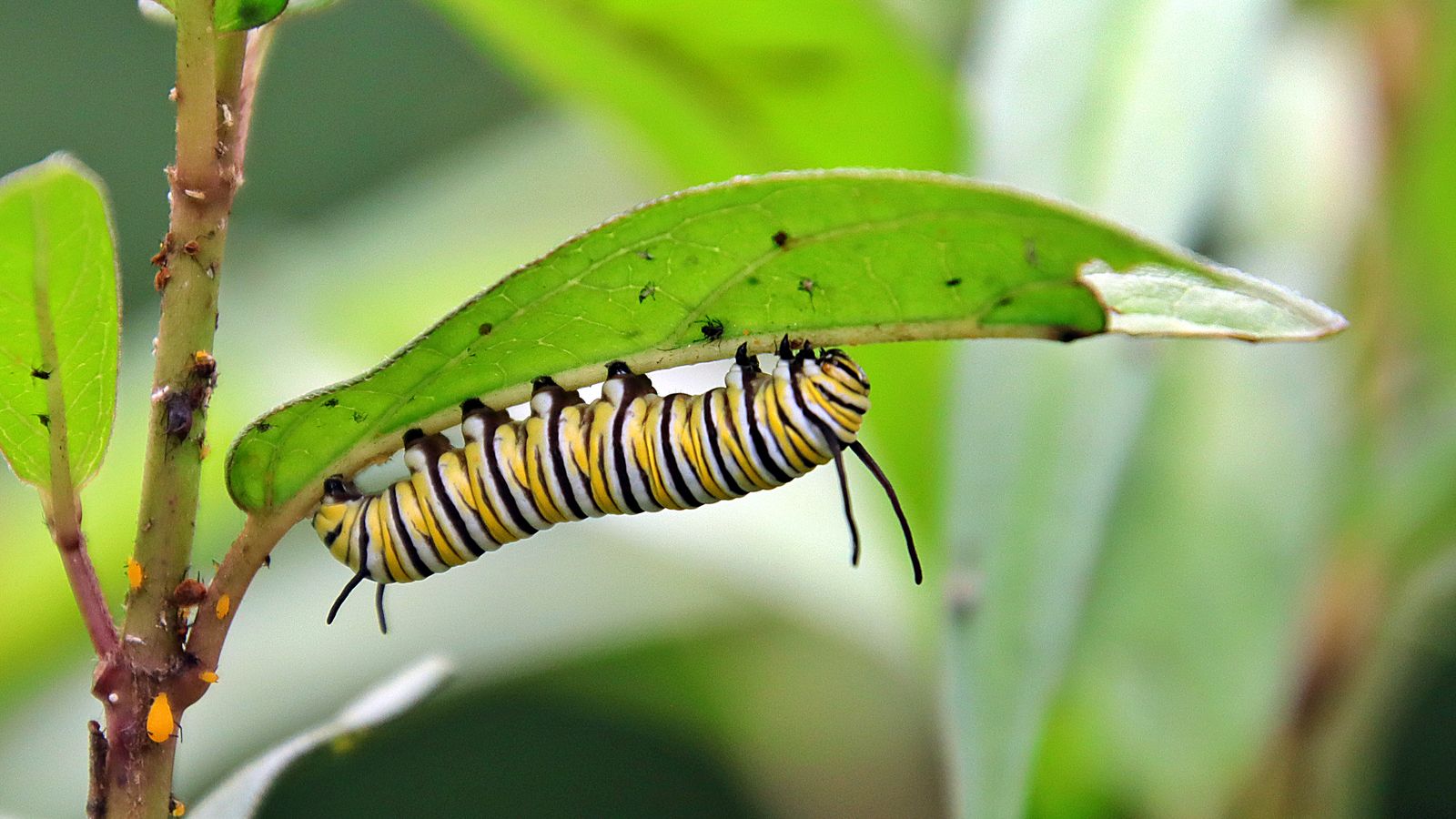
Butterflies add another layer of need. Adults sip nectar from a wide range of flowers, but their caterpillars are often picky — monarch caterpillars, for instance, eat only milkweed and can’t develop on anything else. A garden with plenty of pretty flowers but no host plants will draw adult butterflies through but won’t help the next generation.
5 Steps to Plant a Pollinator Garden
1. Pick a sunny spot with the right conditions
Most pollinator-friendly perennials want at least six hours of direct sun a day. Before you buy plants, take stock of your site: sun exposure, soil drainage, and soil type. Matching plants to the conditions you already have will save you years of replanting compared with fighting the site.
2. Choose native plants for nonstop bloom
Aim for flowers that bloom in overlapping waves — something blooming in early spring, again in early summer, midsummer, and fall — so pollinators always have a food source. Early bloomers like wild columbine and serviceberry feed bees just out of hibernation; late bloomers like asters and goldenrod fuel monarchs and bumblebees heading into fall. Xerces Society design guidance recommends starting with 8 to 10 species so you naturally cover different bloom times and flower shapes.
3. Plant in groups and include host plants
Buy three or more of the same species and plant them together instead of scattering single plants throughout the bed. A solid patch of color is easier for pollinators to spot and more efficient to forage than the same flowers spread thin. While you’re planning, work in at least one caterpillar host plant — milkweed (Asclepias species) for monarchs is the classic choice, but native asters, violets, and dill or parsley (for swallowtails) all serve the same purpose for other species.
4. Add water, shelter, and bare ground
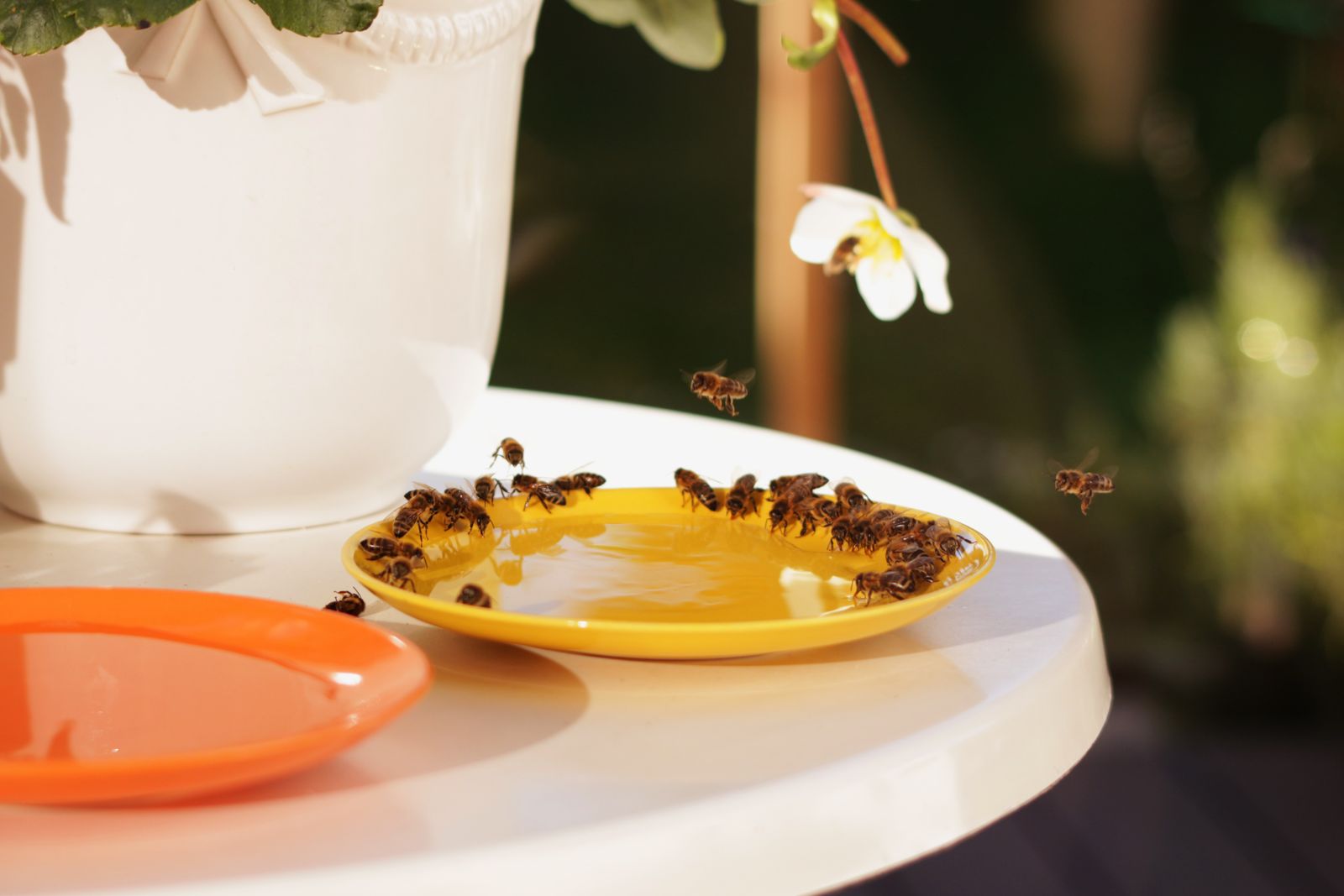
A shallow dish (1 to 2 inches deep) filled with pebbles or marbles and topped off with clean water gives pollinators a safe place to land and drink without the drowning risk of a birdbath. Leave a small patch of bare, undisturbed soil — even a few square feet — for ground-nesting bees, and skip the thick layer of mulch there. A brush pile, a few unraked leaves, or a standing dead stem left over winter gives other species somewhere to shelter.
5. Skip the pesticides
Insecticides don’t distinguish between the pests you’re targeting and the bees and butterflies visiting the same flowers. Even products labeled for ornamental use can harm pollinators on contact or through contaminated pollen and nectar. Learn to tolerate minor leaf damage, hand-pick larger pests, and reach for the least toxic option — or none at all — before spraying anything in a pollinator garden.
Native Pollinator Plants by Region
Native plant choices vary a lot by region — a plant list built for the Pacific Northwest won’t perform the same way in Texas. The Xerces Society’s regional plant lists are the most reliable starting point; here’s a sample from each to get you oriented. Once you’ve got a regional palette in hand, see our guide to native plant landscaping design for how to lay it out so the bed reads as a garden, not an afterthought.
| Region | Good starter natives | Peak bloom | Watch out for |
|---|---|---|---|
| Northeast / Mid-Atlantic | Wild bergamot, black-eyed Susan, New England aster | Summer–fall | Many popular nursery cultivars are bred for flower size, not nectar; check for straight species |
| Midwest | Purple coneflower, butterfly milkweed, little bluestem | Summer | Clay soils may need coneflower and milkweed planted slightly proud of grade for drainage |
| Southeast | Swamp milkweed, coral honeysuckle, blazing star | Late spring–fall | Humidity favors powdery mildew on bee balm; give plants airflow |
| West / Southwest | Penstemon, blanket flower, California poppy | Spring–summer | Pick regionally native penstemon and milkweed species — some non-native milkweed can disrupt monarch migration timing |
Frequently Asked Questions
Do I need a lot of space to help pollinators?
No. Even a few containers or a small bed with three or four plant species provides real food and habitat value, especially in a yard that would otherwise be all lawn.
Will a pollinator garden attract wasps or unwanted insects?
Some, occasionally, but the vast majority of visitors will be bees, butterflies, and other beneficial insects — including predators that help control garden pests. It’s a fair trade for most yards.
Do I need to buy only native plants?
Native plants should make up the core of the garden since they support the most species, but a few well-chosen non-native nectar plants like lavender or zinnias won’t undo the benefit as long as natives dominate.
When should I plant a pollinator garden?
Spring and fall are both good windows in most of the US, since cooler temperatures let roots establish before summer heat or winter cold sets in. Perennials planted from nursery starts will usually bloom modestly the first year and fill in by year two or three.
Do I have to leave my whole yard messy for pollinators?
No — a pollinator garden can be a defined, intentional-looking bed with a mowed edge or border. It doesn’t require letting the entire yard go wild to do its job.
Final Thoughts
A pollinator garden rewards patience more than perfection. Start with a sunny bed, lean on native plants with staggered bloom times, group them for impact, and add the water and bare-ground touches most yards skip. If you’re also rethinking your lawn more broadly, our guide to no-grass front yard ideas covers native perennial meadow beds that pair naturally with pollinator plantings, and several of the drought-tolerant natives in our xeriscaping ideas guide — like penstemon and blanket flower — do double duty as pollinator magnets. For the hand tools that make planting easier, see our guide to essential garden tools for beginners before you start digging.