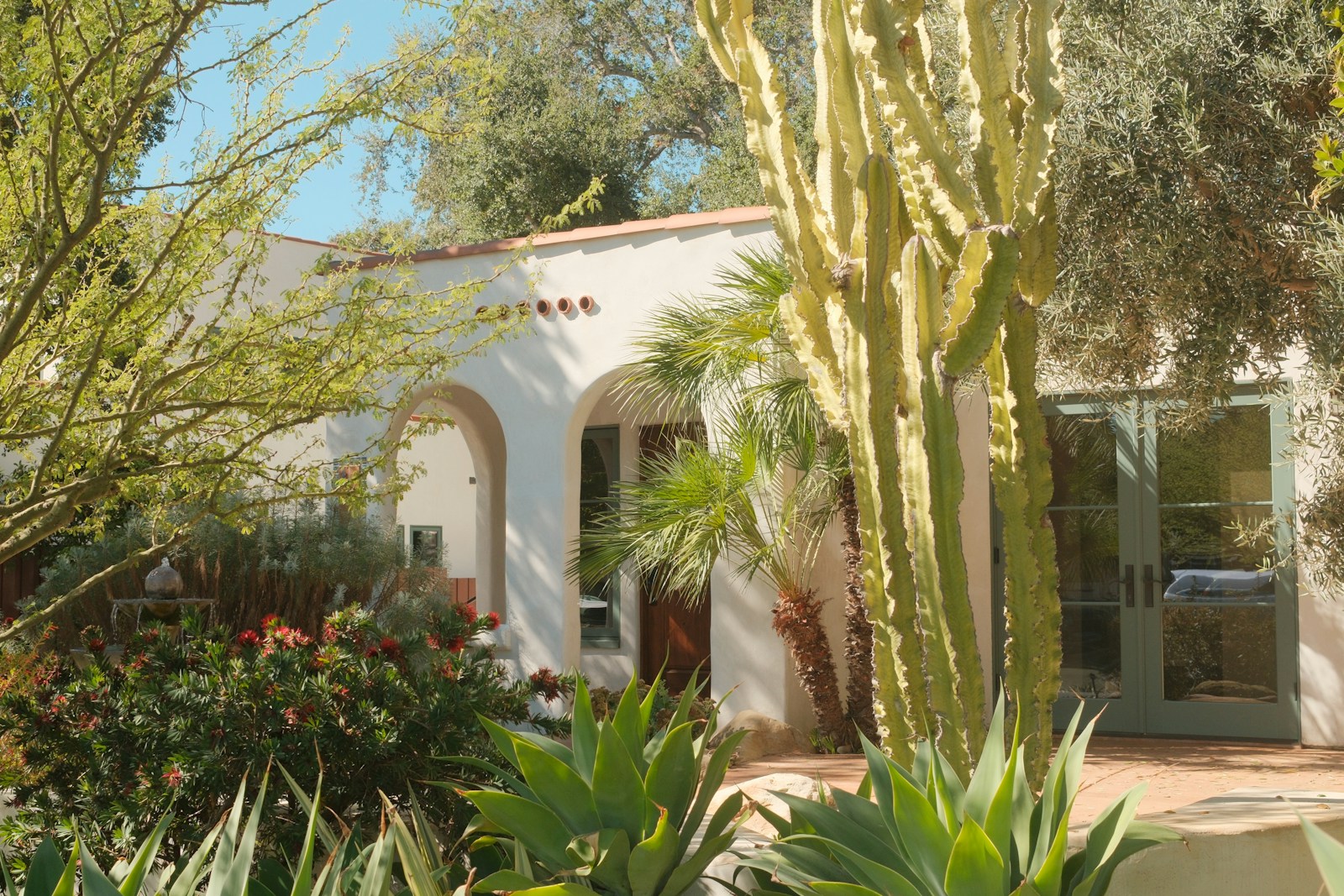
If your front yard turns brown by July no matter how much you water it, xeriscaping ideas are worth a serious look. Xeriscaping just means designing a landscape around low water use from the start — grouping thirsty and drought-tolerant plants separately, cutting back turf, and letting mulch and smart irrigation do the heavy lifting instead of a sprinkler running on autopilot. It’s not a gravel-and-cactus look you’re stuck with; done well, it’s colorful, full, and a lot less work than a thirsty lawn.
The timing is good for it, too. The EPA estimates that outdoor water use accounts for about 30% of household water nationwide — and in hot, dry regions that number climbs toward 70%, almost all of it going to landscape irrigation. A front yard redesigned around xeriscaping principles can cut that outdoor water bill dramatically while still looking like someone lives there and loves it.
Below are nine practical xeriscaping ideas you can use whether you’re starting from bare dirt or slowly converting a thirsty lawn one section at a time.
Table of Contents
- Start With a Water-Use Plan
- 9 Xeriscaping Ideas to Try
- Comparing Hardscape Materials
- Frequently Asked Questions
- Final Thoughts
Key Takeaways
- Xeriscaping isn’t “no plants” — it’s grouping plants by water need (hydrozoning) so you never overwater the tough ones or underwater the thirsty ones.
- Plan around three water-use zones: a small high-water “oasis” near the house, a moderate transition zone, and a large low-water zone that needs little to no supplemental irrigation.
- Mulch 2–4 inches deep everywhere you’re not paving; it’s the cheapest water-saving move you can make.
- Drip irrigation with a smart controller wastes far less water than a fixed-schedule sprinkler system.
- Pick plants rated for your USDA Hardiness Zone and, ideally, native or regionally adapted — they need the least babying once established.
Start With a Water-Use Plan
Before you buy a single plant, sketch your yard and think in zones. New Mexico State University Extension breaks a xeriscape into three water-use zones:
- Oasis zone — the smallest area, closest to the house or entry, where you spend the most time. This is where a bit of turf, a container garden, or moisture-loving plants make sense, because it gets watered the most.
- Transition zone — a moderate-water area between the oasis and the outer yard, planted with things that need occasional deep watering but can coast between.
- Low-water zone — the largest share of the yard, planted with drought-tolerant or native species that need watering only to get established, then little or nothing after that.
This approach — called hydrozoning — is one of Colorado State University Extension’s core xeriscape principles: group plants by thirst, not by how they look together, and irrigate each zone separately. It’s the single biggest reason xeriscaped yards use so much less water than a lawn watered uniformly front to back.
9 Xeriscaping Ideas to Try in Your Front Yard
1. Map your zones before you plant anything
Walk the yard and mark which areas you actually see and use up close (oasis), which you pass by often (transition), and which are mostly background (low-water). Most front yards can push 60% or more of their square footage into the low-water zone without looking sparse.
2. Keep the oasis small and intentional
Put your highest-water plants — a small patch of turf, a container herb garden, a shade tree by the entry — right where you’ll enjoy them. Denver Water recommends keeping this zone modest in size; it’s the area you’ll spend the most water on, so every square foot should be earning its keep.
3. Choose plants for your zone and your rainfall, not just the catalog photo
Match plant selections to your USDA Hardiness Zone and to how much rain your region actually gets — a plant billed as “drought-tolerant” in the Southeast may still need more water than the Southwest gets in a normal year. Good low-water performers across much of the country include yarrow, black-eyed Susan, blanket flower, penstemon, and ornamental grasses like little bluestem; in hotter, drier zones, agave, yucca, and Russian sage earn their keep too. Check with your local Cooperative Extension office for species that are proven for your specific area — regional adaptation matters more than any national “best plants” list. Bonus: yarrow, blanket flower, and penstemon are also reliable pollinator favorites, so see our guide on how to plant a pollinator garden if you want this bed doing double duty.
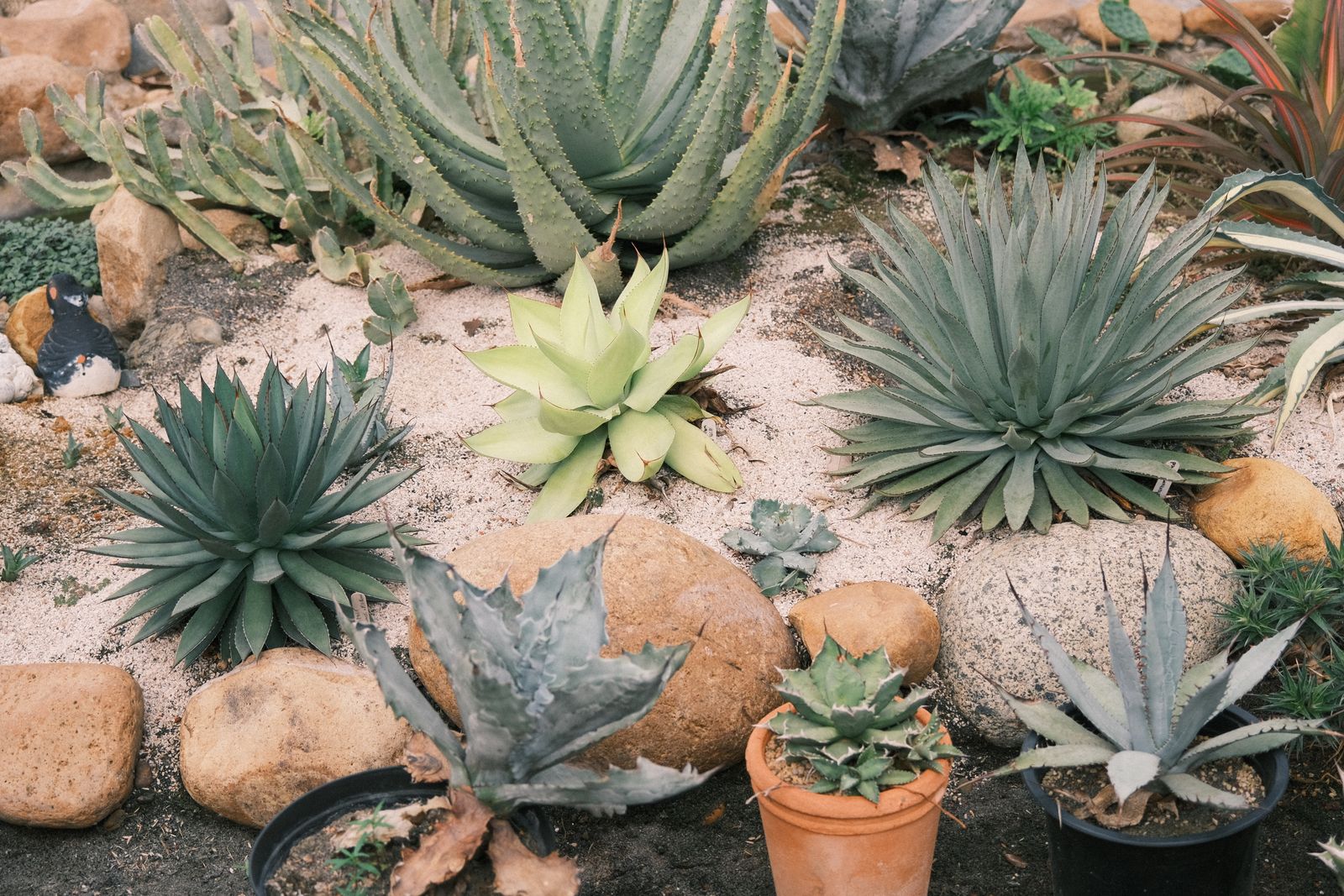
4. Group plants by thirst, not just by look
This is hydrozoning in practice: don’t tuck a moisture-loving hosta next to a yucca and expect either one to thrive. Cluster plants with matching water needs so one irrigation zone can serve the whole group without over- or under-watering half of it. If most of your picks end up being regional natives, our guide to native plant landscaping design covers how to layer and arrange them so the bed looks intentional, not just water-efficient.
5. Right-size the lawn instead of eliminating it outright
You don’t have to go grass-free to xeriscape. Shrinking turf to a shape you actually use — a rectangle for a picnic blanket instead of a wall-to-wall carpet — cuts water use immediately. If you do want to remove grass entirely, our guide to no-grass front yard ideas walks through smothering, sod-cutting, and solarizing to clear it.
6. Mulch everything you’re not paving
A 2- to 4-inch layer of mulch — wood chips in the oasis and transition zones, or gravel in the low-water zone — is one of the seven core xeriscape principles for good reason: it cuts evaporation, blocks weeds, and moderates soil temperature for a fraction of the cost of new plants.
7. Switch to drip irrigation on a smart controller
Overhead sprinklers lose water to wind drift and evaporation before it ever reaches the roots. Drip lines deliver water directly to the soil, and a weather-based smart controller adjusts run time automatically so you’re not irrigating during a rainstorm. If you’re installing a system from scratch, run separate valves for each hydrozone — that’s what makes zone-based watering actually work.
8. Use permeable hardscape for paths and patios
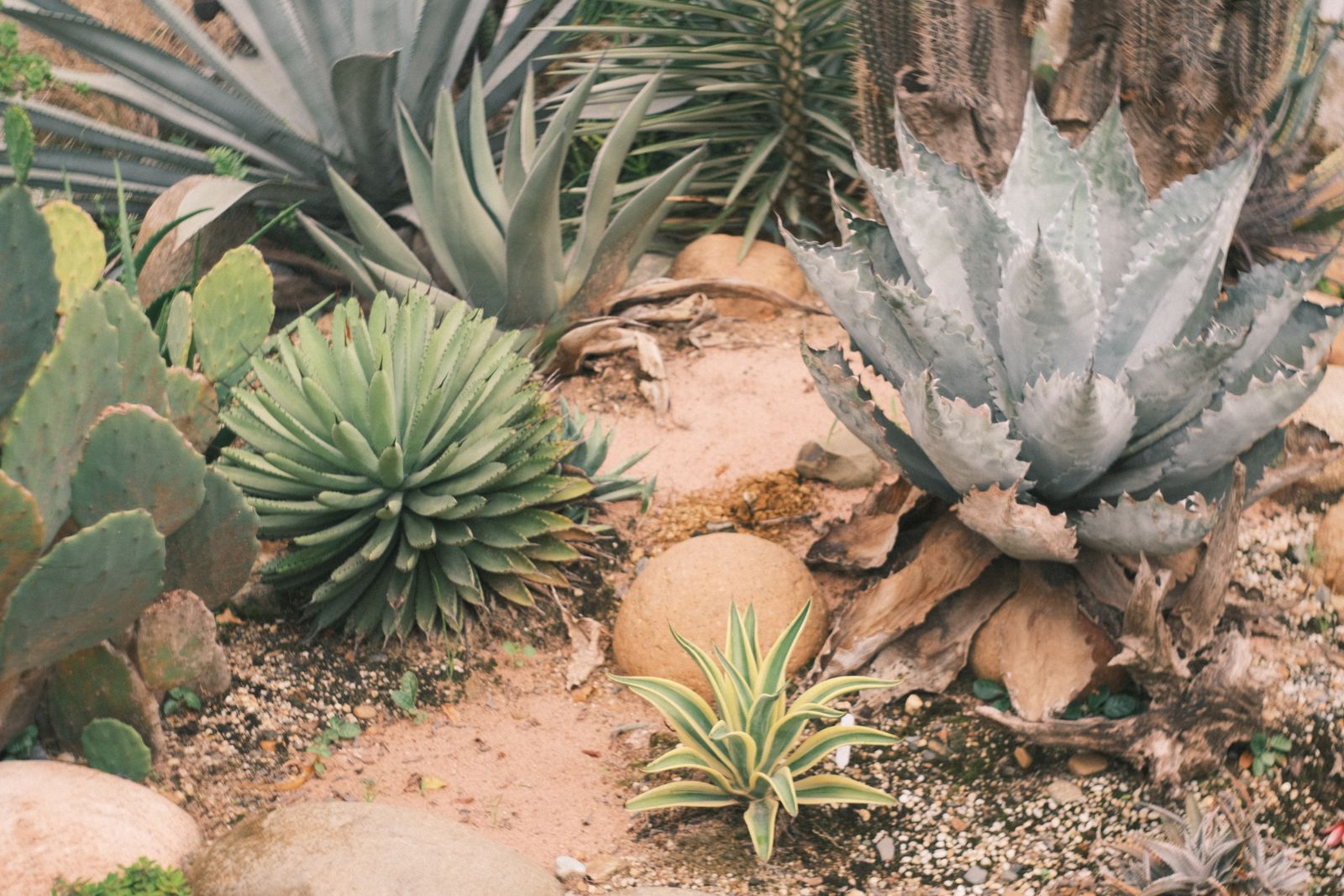
Decomposed granite, gravel, and permeable pavers let rain soak into the ground instead of running off into the street, and they replace thirsty lawn area with zero irrigation needs at all. They also read as intentional design, not “the yard where the grass died.”
9. Capture rain before it hits the storm drain
A rain barrel under a downspout, or a shallow, gently sloped basin planted with water-tolerant natives, catches roof runoff and puts it to use on your transition-zone plants instead of letting it wash down the driveway.
Comparing Hardscape Materials for a Xeriscape Front Yard
| Material | Best for | Price range | Watch out for |
|---|---|---|---|
| Gravel / crushed rock | Low-water zone beds, informal paths | $ | Can migrate onto lawn or into soil over years; weed barrier still needed |
| Decomposed granite | Walkways, patios, a firmer footing than loose gravel | $$ | Needs a compacted base and edging or it erodes at the edges |
| Permeable pavers | High-traffic paths, driveways, formal patios | $$$ | Higher upfront cost; joints need periodic re-sanding |
| Wood or bark mulch | Oasis and transition zone beds around plants | $ | Breaks down and needs topping off yearly; keep it off stems/trunks |
Frequently Asked Questions
Does xeriscaping mean no grass at all?
No. Xeriscaping is about matching water use to need, not eliminating turf entirely. Many xeriscapes keep a small, well-placed lawn in the oasis zone and cut water use everywhere else.
Will a xeriscape yard actually save money?
Yes, over time. The upfront cost of plants, mulch, and hardscape is real, but lower water bills and far less mowing and fertilizing typically pay that back within a few years, especially in regions with high water rates.
How much water does xeriscaping actually save?
It varies by climate and how much lawn you replace, but a well-planned xeriscape commonly cuts outdoor water use by a third or more compared with a conventional all-turf yard, according to water utility guidance like Denver Water’s xeriscape program.
Do xeriscaped plants need any water at all?
Almost everything needs regular watering for its first one to two growing seasons while roots establish. After that, low-water-zone plants can typically get by on rainfall alone except in extended drought.
Is xeriscaping only for the Southwest?
No — the principles (hydrozoning, mulch, efficient irrigation, right-sized turf) apply anywhere, though the specific plant list changes a lot by region. A xeriscape in the Southeast or Midwest looks different from one in Arizona, but it saves water the same way.
Final Thoughts
Xeriscaping isn’t about giving up a green front yard — it’s about being deliberate with where the water goes. Start with a rough zone map, shrink the lawn to a size you’ll actually use, mulch heavily, and let drip irrigation do the precise work a sprinkler never could. If you’d rather tackle the lawn itself first, our category page on garden design has more low-water and low-maintenance layout ideas to browse, and the right hand tools make the install a lot easier — see our guide to essential garden tools for beginners before you start digging.