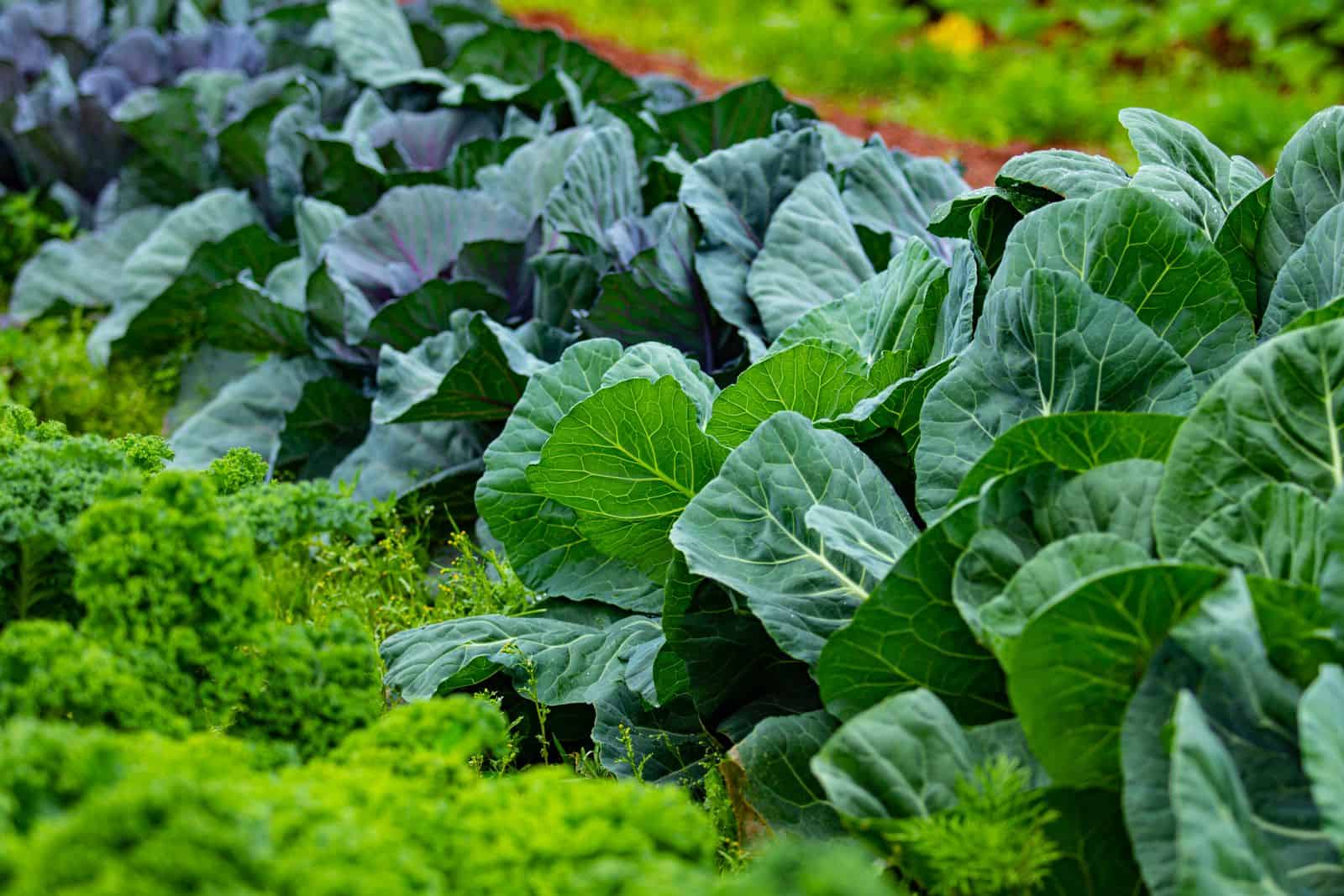
If you pulled your last tomato in July and figured the garden was done for the year, you’re leaving weeks — sometimes months — of harvest on the table. Planting fall vegetables by zone is really just a math problem: count backward from your first frost, and you’ll know exactly when to get seeds and transplants in the ground.
The tricky part isn’t the concept, it’s the timing. Wait too long and an early cold snap wipes out a bed of half-grown broccoli. Plant too early and your lettuce bolts in the last blast of summer heat. Your USDA Hardiness Zone won’t tell you your exact frost date, but it puts you in the right neighborhood — and paired with your average first fall frost, it’s enough to build a real planting schedule.
This guide walks through the frost-date math, gives you planting windows for every zone from 3 to 11, and lists the cold-hardy crops that actually reward a late-season sowing.
Table of Contents
- How to Calculate Your Fall Planting Date
- Fall Vegetables by Zone: Planting Windows and Frost Dates
- The Best Cold-Hardy Vegetables for Fall
- Prepping Beds Between Summer and Fall Crops
- Extending the Harvest with Frost Protection
- Frequently Asked Questions
Key Takeaways
- Your fall sowing date = first frost date − days to maturity − a 1–2 week buffer for slower autumn growth.
- Zones 3–4 should have fall crops in by late July; Zones 9–11 can keep planting into October.
- Frost-tolerant crops (broccoli, kale, carrots, garlic) can go in near your frost date; frost-tender ones (beans, cucumbers) need to finish well before it.
- Refresh raised bed soil with compost between summer and fall plantings — heavy feeders like tomatoes deplete it fast.
- Row covers and cold frames can stretch your harvest two to six weeks past the first frost.
How to Calculate Your Fall Planting Date
Every fall planting schedule comes down to one formula: start date = first frost date − days to maturity − buffer.
Here’s why the buffer matters. Seed packets list days to maturity based on the long, warm days of early summer. By August and September, daylight hours are shrinking and nights are cooling, so the same crop grows noticeably slower. Texas A&M AgriLife Extension recommends working backward from your first frost and matching your crop’s maturity window against your local planting calendar — and most gardeners add 10 to 14 extra days to the seed packet’s number to cover that slowdown.
Frost tolerance changes the math again. Texas A&M’s guide splits vegetables into frost-tolerant crops — beets, broccoli, cabbage, carrots, garlic, kale, lettuce, onions, spinach — which handle a light freeze and even taste better for it, and frost-susceptible crops — beans, corn, cucumbers, eggplant, peppers, tomatoes — which die at 32°F. Plan tender crops to finish well before your frost date; hardy crops have more wiggle room, and kale tolerates temperatures into the low 20s°F.
To find your own first frost date, check the USDA Plant Hardiness Zone Map for your zone, then confirm the actual average frost date with your local Cooperative Extension office or NOAA’s climate data — zone alone tells you winter cold, not the exact fall frost timing, which can shift by weeks depending on elevation and local microclimate.
Fall Vegetables by Zone: Planting Windows and Frost Dates
Once you know your zone, use this table as a starting point — then confirm the specific date with your local extension office, since frost timing can vary within a single zone.
| Zone | Typical First Frost | Sow Fall Crops By | Best Bets |
|---|---|---|---|
| 3–4 | Early to mid-September | Late June–July | Spinach, radishes, turnips, fast lettuce, Asian greens |
| 5–6 | Mid-September–October | Mid-July–August | Broccoli, cauliflower, cabbage, kale, beets, peas |
| 7–8 | October–November | August–early September | Leafy greens, brassicas, root crops, garlic, onions |
| 9–10 | Late November–January (often frost-free) | Late August–October | Broccoli, cabbage, carrots, garlic, fava beans, peas |
| 11 | Rare or none | September–November | Kale, lettuce, broccoli, cabbage, Asian greens |
For reference on how much a few zones can shift your calendar: Cornell Cooperative Extension puts the average first fall frost for zones 5b–6a at October 23, while University of Maryland Extension uses October 25 for central Maryland — both solidly in the Zone 7 range and roughly a month later than a Zone 5 gardener further north or at higher elevation would see.
If you’re in Zones 5–6, this is genuinely one of the best climates for a traditional fall vegetable garden: cool enough for brassicas and greens to sweeten up, but with enough of a runway after your midsummer harvest to get a full second planting in.
The Best Cold-Hardy Vegetables for Fall
Not every crop is worth a fall sowing. Focus on vegetables that actually improve in cool weather:
- Leafy greens — spinach, lettuce, arugula, and Swiss chard grow fast and rarely bolt once nights cool down.
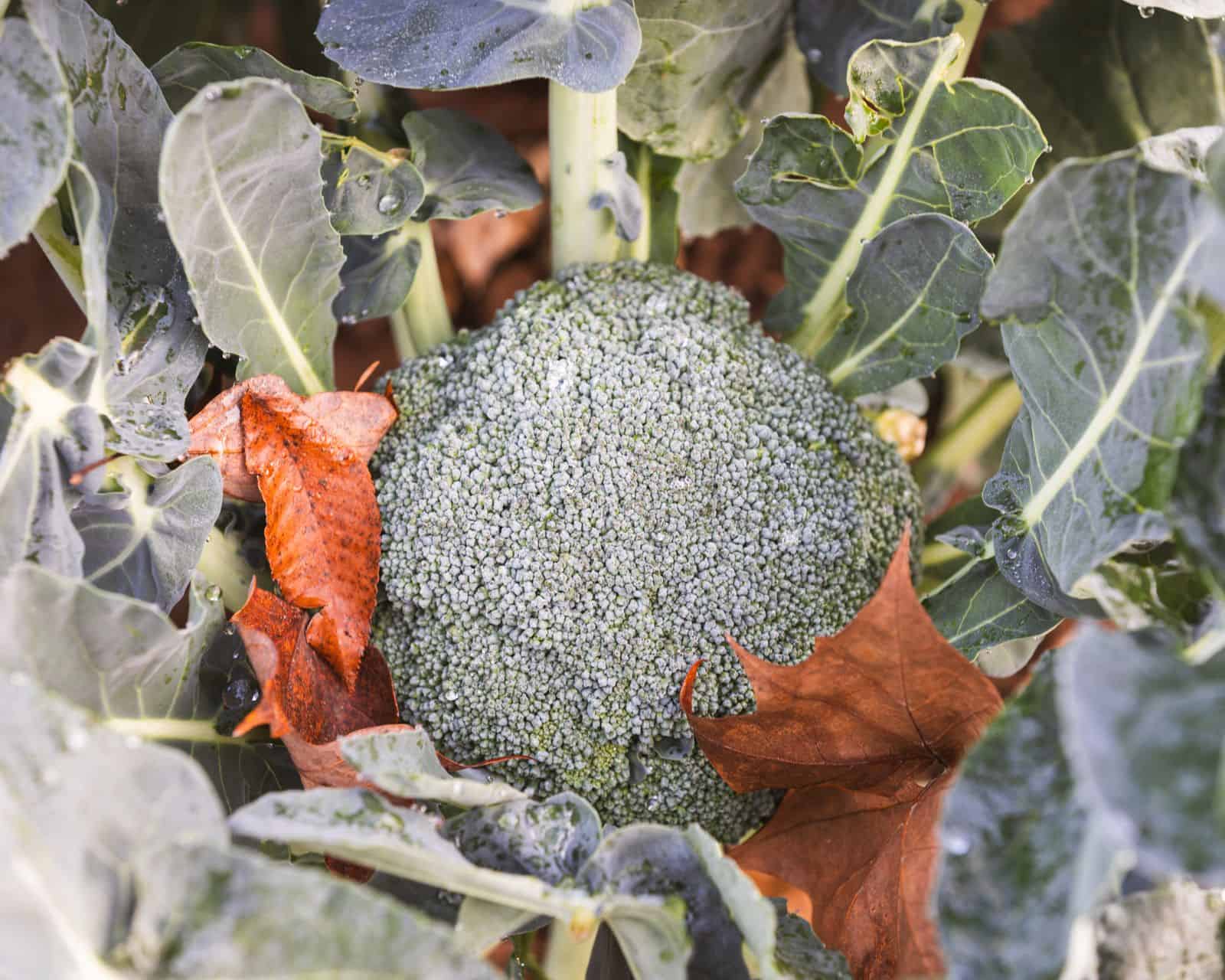
- Brassicas — broccoli, cauliflower, cabbage, Brussels sprouts, and bok choy handle light frost and develop better flavor after a cold snap.
- Root vegetables — carrots, beets, turnips, radishes, and parsnips store well right in the ground once mature; a layer of mulch can keep the soil workable into early winter.
- Alliums — garlic goes in during fall for a summer harvest the following year, and it’s frost-tolerant enough to plant right up near your first frost date in most zones. (We cover exact garlic timing zone by zone in a companion guide.)
Skip warm-season crops like tomatoes, peppers, cucumbers, and beans for a fall planting unless you’re in Zone 9 or warmer with a long enough window before frost — they won’t tolerate the cold nights that make the crops above thrive.
Prepping Beds Between Summer and Fall Crops
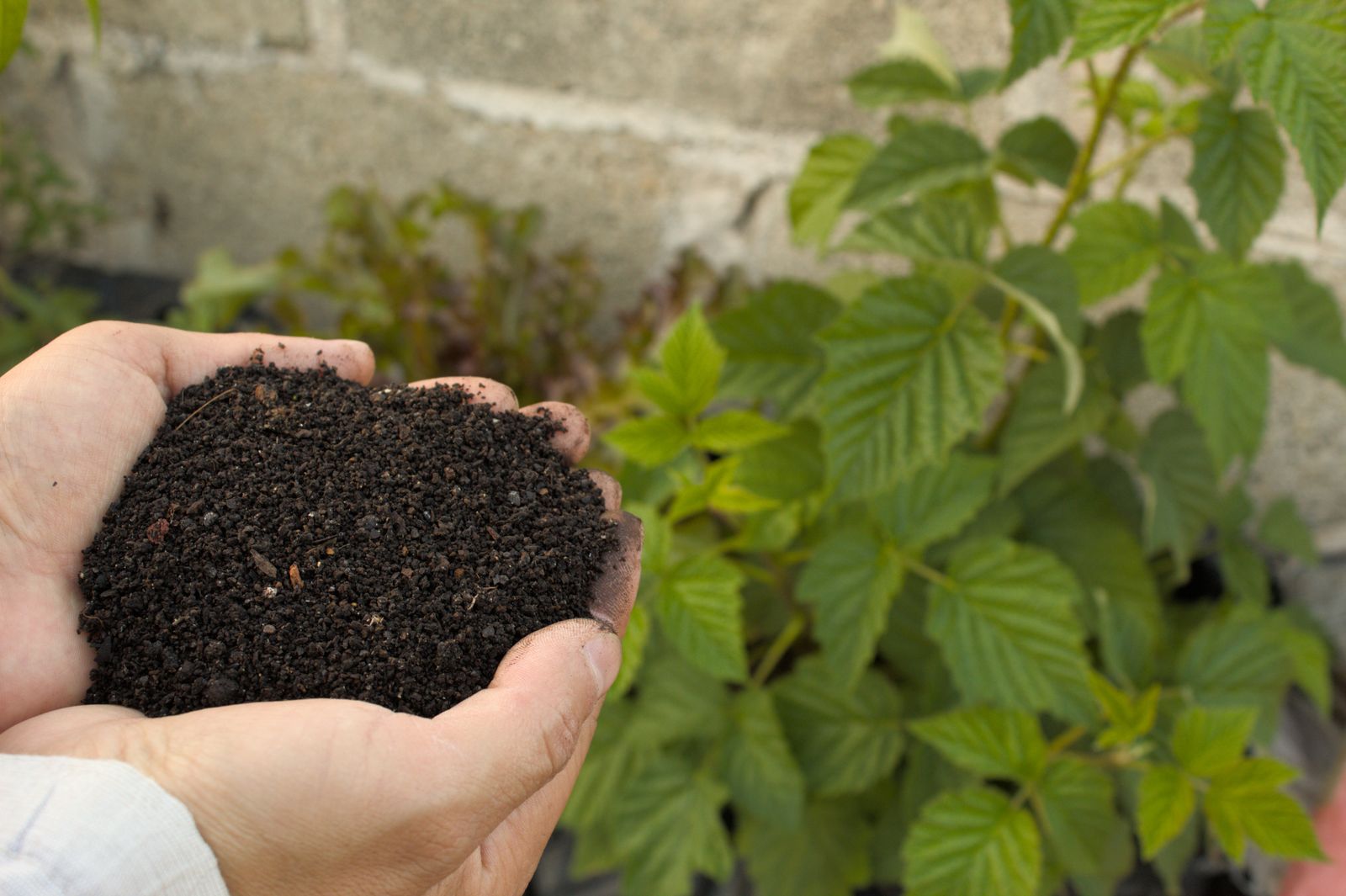
Before you replant, give the bed a quick refresh. Tomatoes, peppers, and other heavy summer feeders pull a lot of nitrogen and organic matter out of the soil over a season, and fall crops need that fertility back to grow fast enough to beat the frost clock.
Pull spent plants and roots, work in an inch or two of finished compost, and rake the bed smooth before direct-seeding or transplanting. If your raised bed’s original mix has compacted or thinned out, our raised bed soil mix recipe walks through the ratios to rebuild it properly rather than just topping off with bagged soil.
Extending the Harvest with Frost Protection
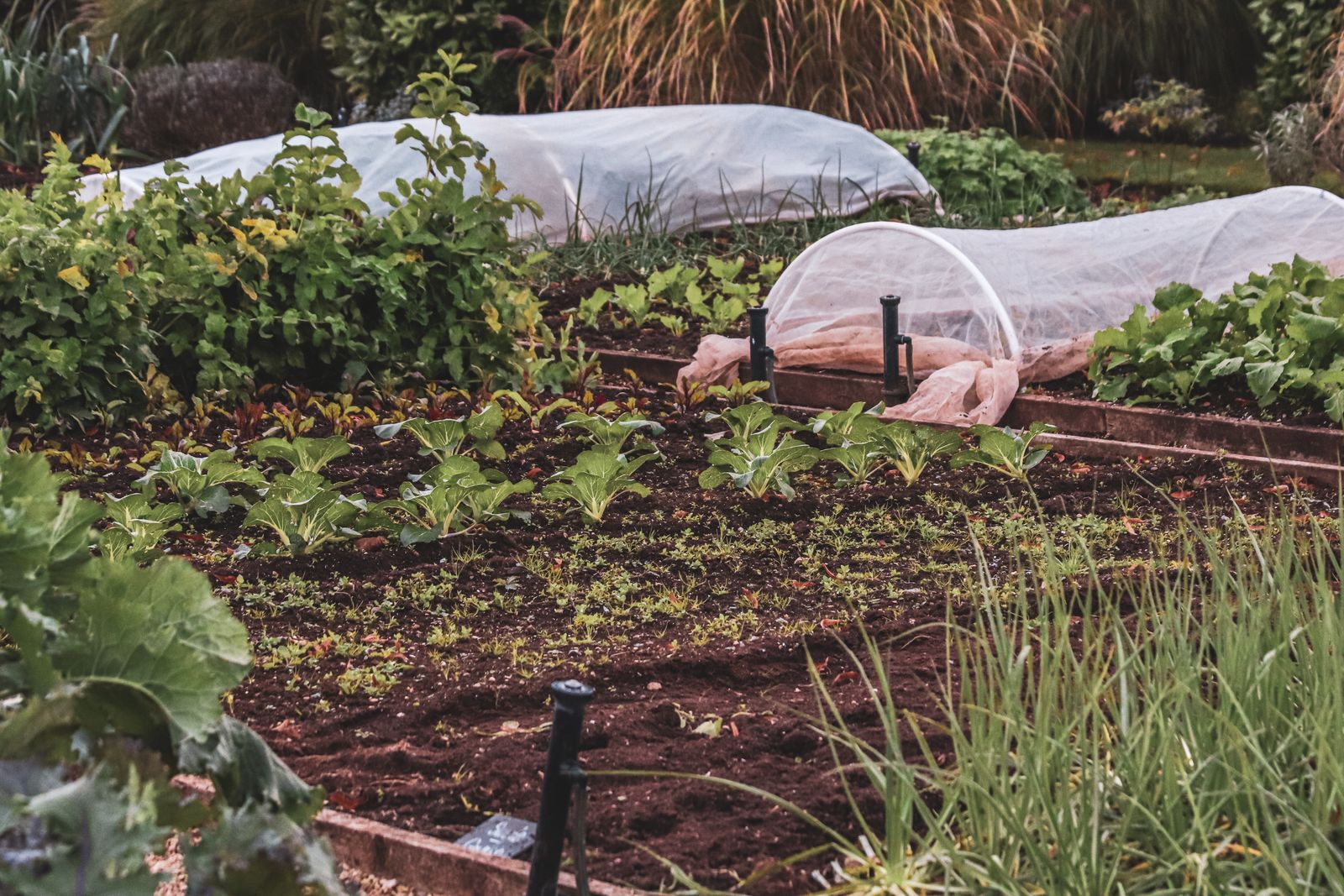
A little protection buys real extra weeks at the end of the season. According to Penn State Extension, lightweight fabric row covers over low tunnels trap enough heat to protect crops through the first frosts, and can be swapped for heavier 4–6 mil plastic as temperatures keep dropping. Cold frames go further, using a transparent lid angled toward the sun — Penn State recommends a slight slope with southern or southeastern exposure for the best heat retention.
For most home gardeners, a simple row cover over hoops is the easiest win, stretching harvests of hardy greens and brassicas two to six weeks past the average first frost with almost no extra work.
Frequently Asked Questions
Can I still plant a fall garden if I missed the “ideal” window?
Often, yes — especially for fast crops like radishes, spinach, and baby lettuce, which mature in 30 to 45 days. Recalculate using your actual first frost date and pick crops whose days-to-maturity (plus the 10–14 day fall buffer) still fits before that date.
Do I need to start fall seeds indoors?
For long-season crops like broccoli and cabbage, starting seeds indoors 4–6 weeks before your fall transplant date saves precious growing time versus direct-seeding in still-hot midsummer soil. Fast crops like spinach, carrots, and radishes do fine direct-seeded.
Will an early frost kill my fall vegetables?
It depends on the crop. Frost-tolerant vegetables like kale, spinach, and Brussels sprouts shrug off a light freeze and often taste sweeter afterward, since cold triggers the plant to convert starches to sugars. Frost-tender crops like beans and cucumbers will die at 32°F with no protection.
How is a USDA zone different from my first frost date?
Your USDA Hardiness Zone is based on average winter minimum temperatures and tells you what perennials will survive winter where you live. It’s a useful shorthand for fall planting timing, but the number you actually need is your area’s average first fall frost date, which can vary by weeks even within the same zone depending on elevation, wind exposure, and nearby buildings or water.
Do all fall vegetables need full sun?
Most do, but the sun angle in fall is lower and days are shorter, so a spot that was partly shaded in summer may work fine for greens and root crops come September and October.
Final Thoughts
A fall vegetable garden rewards a little planning more than almost any other stretch of the growing year — get the timing right and you’ll be harvesting well past the point most gardens have gone dormant. If you’ve still got tomatoes or peppers ramping down in containers on the patio, that freed-up space is exactly where your fall greens and brassicas should go next. For more on building out the rest of your vegetable garden, browse the full Vegetable Garden category.