No yard, no problem. Growing tomatoes in containers on a deck, balcony, or sunny patio corner is one of the most reliable ways to get a real harvest without digging a single bed — as long as you get three things right: pot size, potting mix, and variety.
Get any one of those wrong and you’ll spend the summer chasing blossom end rot, wilted plants, or a vine that outgrows its pot by July. Get them right, and a single well-chosen container can hand you a steady stream of tomatoes from June through frost.
Here’s the exact setup that works, straight from university extension trials and the varieties bred specifically for pot life.
Table of Contents
- Choosing the Right Pot Size
- The Best Potting Mix for Growing Tomatoes in Containers
- 6 Best Tomato Varieties for Pots
- Watering, Feeding and Sun
- Staking, Pruning and Common Problems
- Frequently Asked Questions
- Final Thoughts
Key Takeaways
- Cherry tomatoes need at least a 2-gallon pot; standard slicing tomatoes need at least 4–5 gallons, and bigger (10–15 gallons) grows a bigger plant.
- Always use a bagged soilless potting mix, never garden soil or topsoil — it compacts and drains poorly in a container.
- Determinate (“bush” or “patio”) varieties like Celebrity, BushSteak, and Tiny Tim are bred to stay compact and productive in pots.
- Container soil dries out fast — expect to water daily, sometimes twice, once summer heat sets in.
- Blossom end rot and split fruit are almost always caused by inconsistent watering, not disease.
Choosing the Right Pot Size
Tomato roots want room, and a cramped pot is the single biggest reason container plants stall out or wilt in the afternoon sun.
For cherry tomatoes, Iowa State University Extension recommends at least a 2-gallon pot, roughly 10 inches across. Standard slicing tomatoes need at least 4 gallons (about 12–14 inches in diameter), and University of New Hampshire Extension points to a classic option most gardeners already have on hand: a 5-gallon bucket with drainage holes drilled in the bottom.
Bigger is almost always better. A larger container — think half whiskey barrel or a 15–20 gallon grow bag — holds more moisture, buffers against heat swings, and lets an indeterminate (vining) variety put on real size. If you’re growing an indeterminate tomato in a pot, size up accordingly; it will out-root a 5-gallon bucket by midsummer.
Whatever size you land on, drainage holes are non-negotiable. A tomato sitting in standing water develops root rot fast. If you’re building a wooden planter box instead of buying a pot, choose rot-resistant cedar or redwood rather than pressure-treated lumber, which can leach chemicals into the soil over time.
The Best Potting Mix for Growing Tomatoes in Containers
This is where a lot of first-time container gardeners go wrong: they fill the pot with dirt from the yard. Don’t.
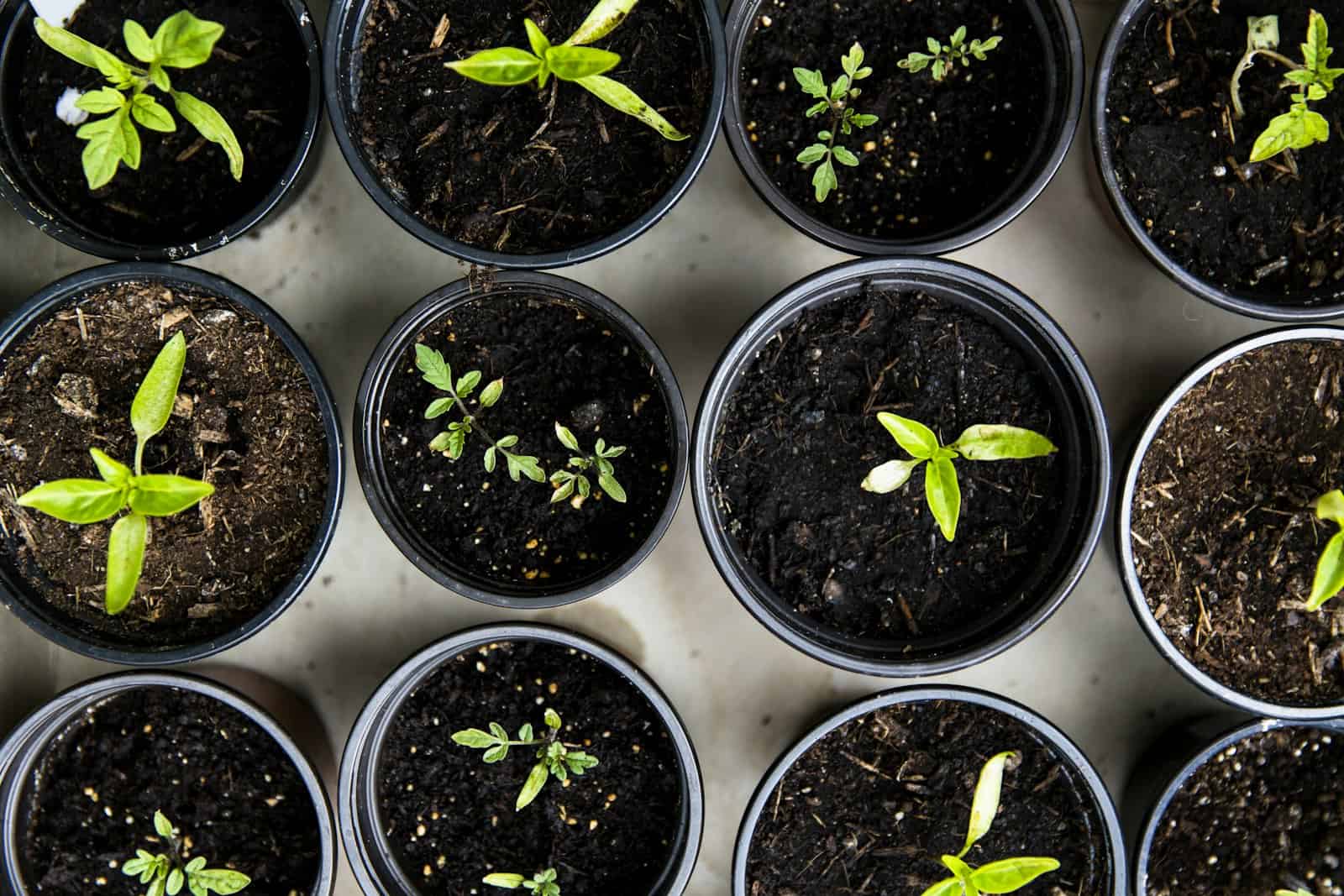
Garden soil and topsoil are built for the ground, not a pot. Packed into a container, they compact into a dense brick, drain poorly, and can carry weed seeds or disease organisms that thrive in the exact conditions a container creates. Iowa State Extension is blunt about it — use a purchased soilless potting mix instead, which stays loose, holds moisture without waterlogging, and starts out clean.
A good soilless mix is typically peat moss or coconut coir blended with perlite or vermiculite for drainage. Many bagged mixes already include a slow-release starter fertilizer, which buys you a few weeks before you need to start feeding.
This is the same principle behind our raised bed soil mix recipe — never fill a growing space with straight yard dirt — but the recipe itself is different. Raised beds are open to the ground below and can handle a heavier compost-and-topsoil blend. A container has nowhere for excess water to go but out the drainage holes, so it needs a lighter, faster-draining mix.
6 Best Tomato Varieties for Pots
Not every tomato belongs in a container. Indeterminate varieties (the kind that keep climbing all season) can work in a large enough pot, but determinate — sometimes labeled “bush” or “patio” — varieties are bred specifically to stay compact and stop growing once they set fruit, which makes them far easier to manage on a deck or balcony.
| Variety | Type | Minimum Pot Size | Best For |
|---|---|---|---|
| Tiny Tim | Determinate, dwarf | 2 gallons | Tiny balconies, windowsill-adjacent spots |
| Tumbling Tom | Determinate, trailing | 5 gallons (hanging basket) | Cherry tomatoes in a hanging planter |
| BushSteak Hybrid | Determinate | 5 gallons | Full-size slicing tomatoes in a compact plant |
| Celebrity Hybrid | Semi-determinate | 5–10 gallons | Reliable, disease-resistant all-purpose tomato |
| Better Bush | Determinate | 10 gallons | Bigger yields without staking a sprawling vine |
| Patio Choice Yellow | Determinate | 5–7 gallons | Sweet, mild cherry tomatoes with strong disease resistance |
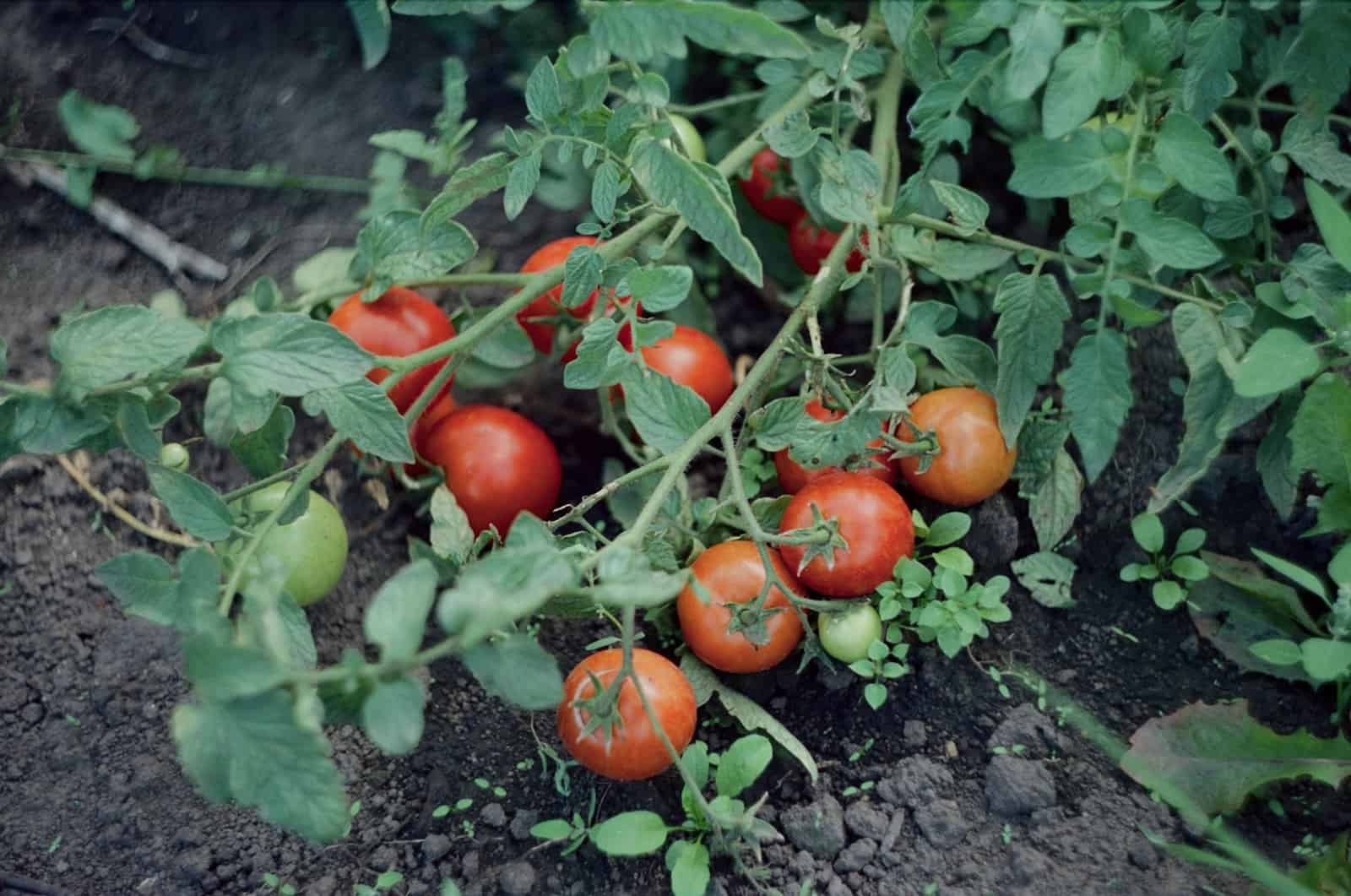
UNH Extension specifically recommends BushSteak Hybrid, Celebrity Hybrid, Tumbling Tom, and Tiny Tim for container growing — all four stay manageable in a pot without the sprawling growth habit of a full indeterminate vine.
Watering, Feeding and Sun
Tomatoes need at least 6 hours of direct sun a day, and a south- or west-facing patio is usually your best bet.
Water is the part that catches people off guard. A container has a fraction of the soil volume of an in-ground bed, so it dries out fast — especially in a dark plastic pot sitting on concrete in July. Check the top 1–2 inches of soil daily; once it’s dry, water thoroughly until it runs out the drainage holes. In peak summer heat, that can mean watering once a day, sometimes twice for smaller pots. Water at the soil line rather than the leaves, and try to avoid watering late in the day, which keeps foliage damp overnight and invites fungal problems.
For feeding, Iowa State recommends a soluble fertilizer such as 15-30-15 or 20-20-20 every one to two weeks once the plant is established. UNH Extension suggests leaning toward a fertilizer with more phosphorus than nitrogen, like 5-10-10, which favors flowering and fruit set over leafy growth. If your potting mix already includes a slow-release starter fertilizer, you can usually hold off on additional feeding until midsummer.
Staking, Pruning and Common Problems
Even compact determinate varieties benefit from a cage or stake once they’re loaded with fruit — a top-heavy plant in a lightweight pot tips over easily in wind. A simple tomato cage or a sturdy stake with soft ties is usually enough; save the elaborate trellising for indeterminate varieties in oversized containers.
If you’re growing an indeterminate type, pinch out the suckers that form in the leaf axils and train the plant to one or two main stems — it keeps the plant manageable and directs energy toward fruit instead of foliage.
Two problems show up constantly in container tomatoes, and both trace back to the same root cause: inconsistent watering. Blossom end rot (a flat, leathery brown patch on the bottom of the fruit) happens when uneven moisture disrupts calcium uptake, even if there’s plenty of calcium in the soil. Cracked or split fruit happens when a dry stretch is followed by a heavy watering, and the fruit swells faster than the skin can stretch. A layer of mulch on top of the soil and a consistent watering schedule solve both.
For the season, the whole setup takes only a handful of tools — a hand trowel for planting, a watering can or hose for the daily routine, and a pair of pruning shears for suckering. If you’re building out your kit from scratch, our beginner garden tools guide covers exactly what’s worth buying first.
Frequently Asked Questions
What’s the smallest pot I can use for a tomato plant?
A 2-gallon pot (about 10 inches across) works for dwarf cherry varieties like Tiny Tim. Standard tomatoes need at least 4–5 gallons, and bigger is better if you have the space.
Can I just use dirt from my yard?
No. Garden soil compacts in a container, drains poorly, and can carry weed seeds or disease. Use a bagged soilless potting mix instead.
How often do I need to water container tomatoes?
Check the top 1–2 inches of soil daily. In peak summer heat, container tomatoes often need watering once a day, sometimes twice for smaller pots.
Are tomato plants safe to grow around pets?
Ripe tomatoes are fine for pets in moderation, but the leaves, stems, and unripe green fruit contain solanine and tomatine, which are mildly toxic to dogs and cats, according to the ASPCA. Keep the plant somewhere a curious dog can’t graze on the foliage.
Do I need to replace the potting mix every year?
Yes, ideally. Potting mix compacts and loses nutrients over a season, and reusing it for tomatoes two years running increases the risk of soil-borne disease. Refresh with new mix, or at minimum mix in fresh compost, each spring.
Final Thoughts
Container tomatoes reward you for getting the boring details right — big enough pot, real potting mix, a variety that isn’t fighting its container, and water you don’t forget about for three days. Start with one 5-gallon Celebrity or BushSteak plant this season, get the rhythm down, and expand from there.
When your containers wind down at the first frost, don’t let that spot go empty — the same pots and beds can pivot straight into a fall crop of greens or brassicas. See our guide to planting fall vegetables by zone for exact timing.
For more on building out the rest of your growing space, browse our Vegetable Garden category.