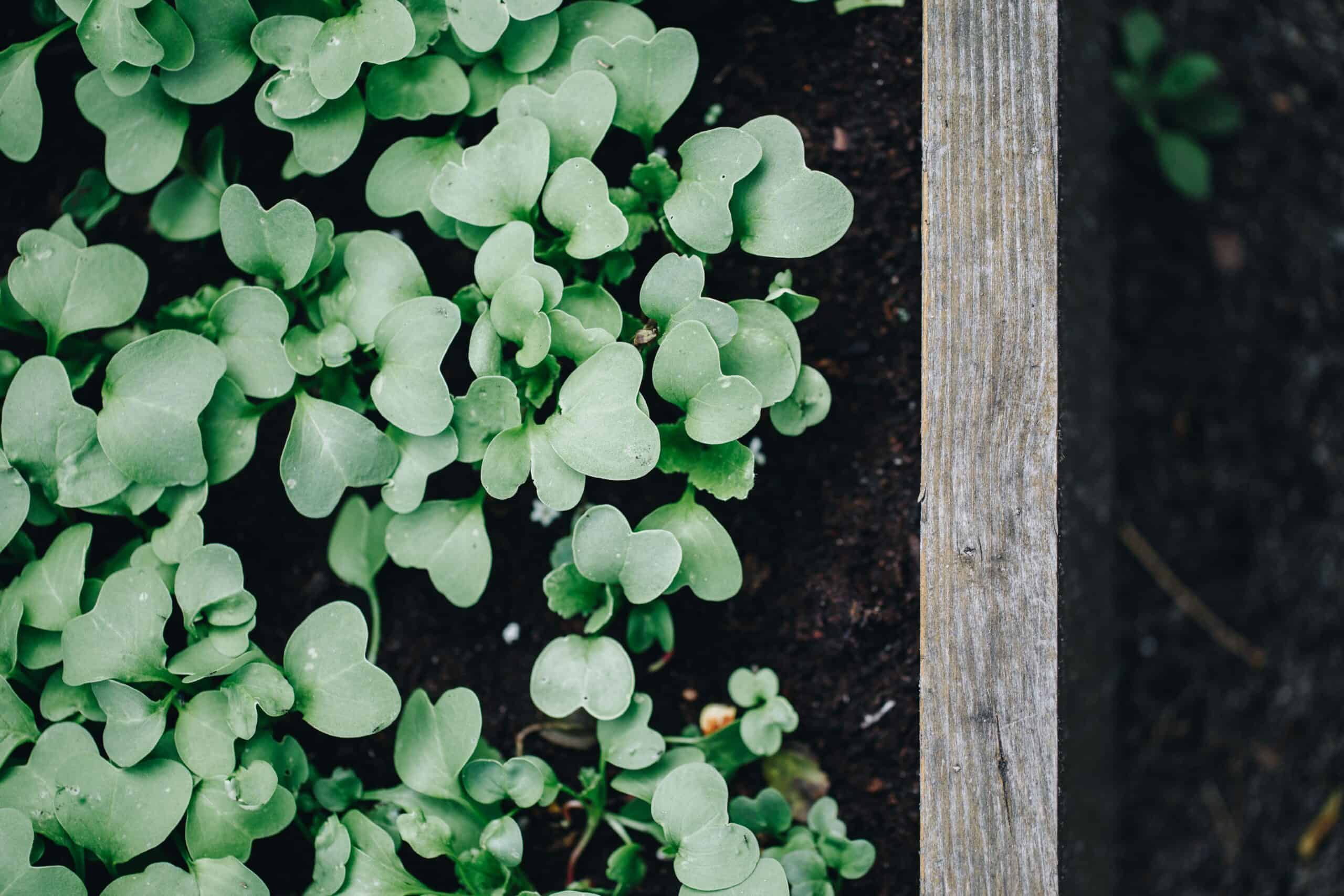
If you’ve ever dumped a truckload of “garden soil” into a new raised bed and watched it turn into a brick by July, you already know the mistake: raised beds don’t want yard dirt. They want a built mix, layered and blended on purpose, so roots can breathe and water can move through instead of pooling on top.
The good news is you don’t need to guess. University extension offices have tested this for decades, and the numbers land in a narrow, repeatable range. Below is the exact raised bed soil mix recipe to start with, plus two backup ratios depending on your budget and what you can source locally.
Table of Contents
- The Exact Raised Bed Soil Mix Recipe
- How Much Soil You’ll Actually Need
- 3 Soil Mix Ratios Compared
- Cutting Costs: The Layering (Hugelkultur) Method
- Common Mistakes to Avoid
- Frequently Asked Questions
- Final Thoughts
Key Takeaways
- The most reliable raised bed soil mix is 1/3 compost, 1/3 topsoil (or purchased garden soil), 1/3 coarse aeration material (peat moss, coco coir, or vermiculite), measured by volume, not weight.
- On a budget, a simple 1:1 compost-to-topsoil blend (Michigan State Extension) or 70% soil to 30% compost (Penn State Extension) both work well.
- Never fill a bed with straight topsoil or native yard dirt — it compacts hard inside a contained bed and drains poorly.
- Calculate volume with length × width × depth (in feet), then divide by 27 for cubic yards.
- For deep beds, pack the bottom 60–70% with logs and branches (hugelkultur) to cut soil costs by 40–60% and only buy soil mix for the top 6–12 inches.
The Exact Raised Bed Soil Mix Recipe
The recipe that consistently performs best, blending square-foot-gardening practice with university extension guidance, is a three-way split by volume:
- 1/3 compost — the nutrient engine. Use a blend from multiple sources (yard waste, food scraps, aged manure) rather than a single input.
- 1/3 topsoil or bagged garden soil — the mineral backbone that holds nutrients and moisture between waterings.
- 1/3 aeration material — coarse vermiculite, peat moss, or coco coir. This is the part most gardeners skip, and it’s the part that keeps the mix from compacting.
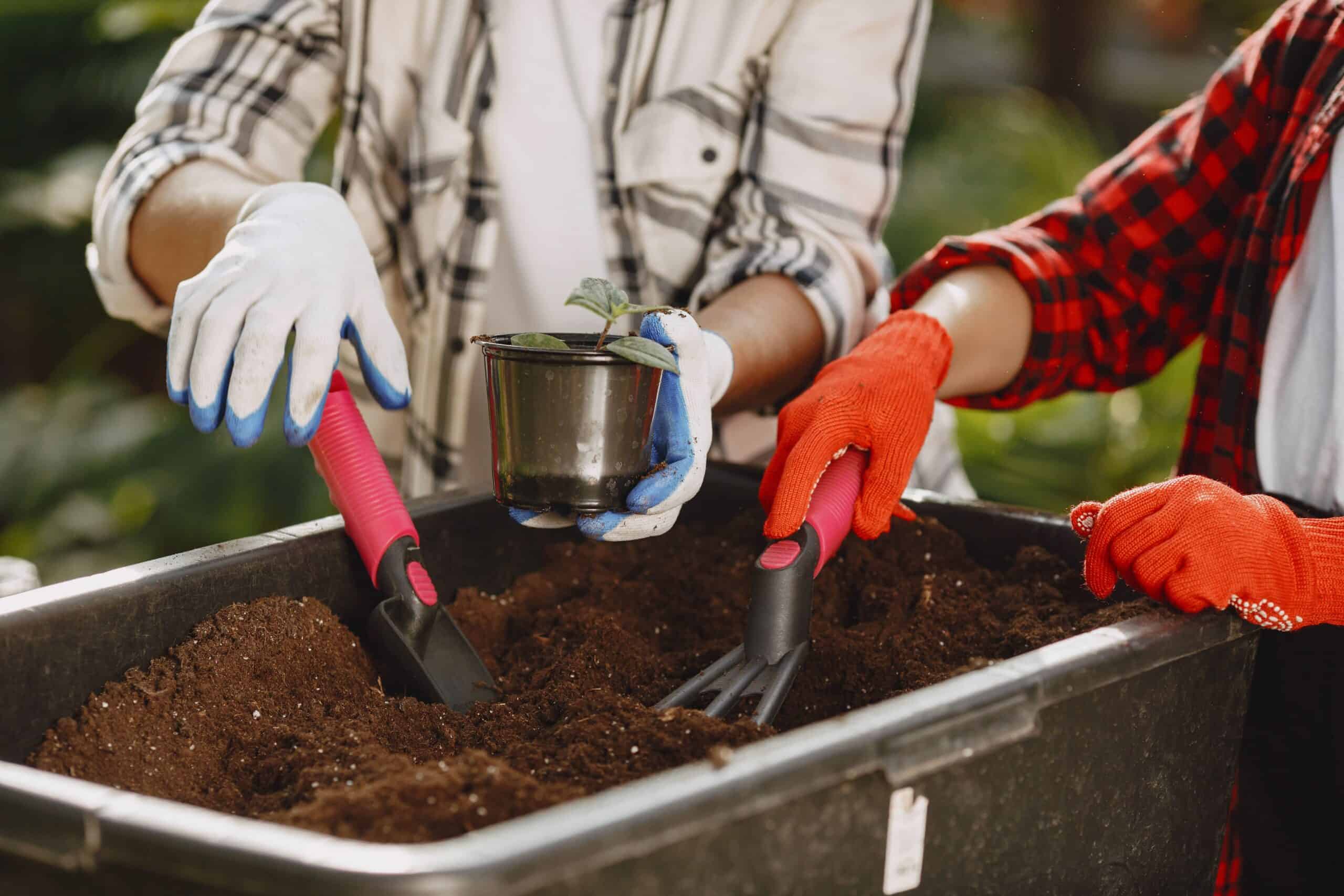
This mirrors the classic “Mel’s Mix” from square foot gardening (equal parts compost, peat moss or coco coir, and coarse vermiculite) with topsoil folded in for structure and cost control. Mix ingredients loose and dry before adding them to the bed — trying to blend soggy compost with dry vermiculite in place is a workout nobody needs.
If sourcing coarse vermiculite is a hassle (it’s the one ingredient extensions note gardeners struggle to find), lean on the University of Maryland Extension fallback instead: compost and a soilless growing mix in a 1:1 ratio, with topsoil making up no more than 20% of the total volume in beds at least 16 inches deep.
How Much Soil You’ll Actually Need
Before you buy anything, calculate the volume so you’re not making three separate trips to the garden center.
Formula: length (ft) × width (ft) × depth (ft) = cubic feet. Divide by 27 for cubic yards.
Example: A 4×8 ft bed filled 12 inches deep:
- Depth: 12 in ÷ 12 = 1 ft
- Volume: 4 × 8 × 1 = 32 cubic feet
- In cubic yards: 32 ÷ 27 ≈ 1.2 cubic yards
For a circular bed, use π × radius² × depth instead. Round up slightly — soil settles by an inch or two in the first few weeks as it beds in.
On depth, the University of Maryland Extension recommends at least 8 inches for leafy greens, beans, and cucumbers, and 12–24 inches for deeper-rooted crops like tomatoes, peppers, and squash.
3 Soil Mix Ratios Compared
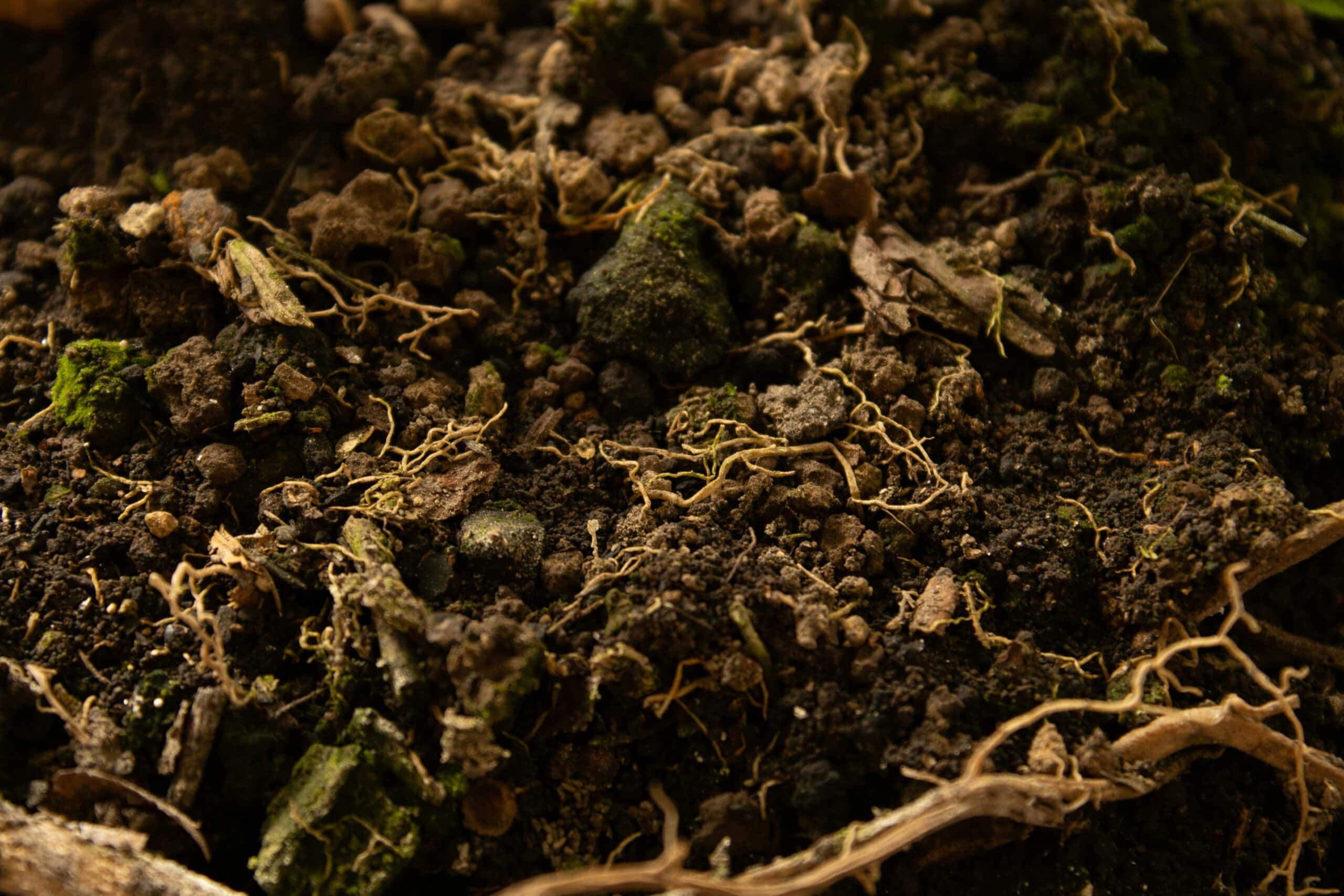
There’s no single “correct” ratio — extension offices land on slightly different numbers depending on climate, available materials, and bed depth. Here’s how the three most common options stack up.
| Recipe | Ingredients | Best For | Watch Out For |
|---|---|---|---|
| Mel’s Mix (Square Foot Gardening) | 1/3 compost, 1/3 peat moss or coco coir, 1/3 coarse vermiculite | Small, intensive beds; container-style growing; maximum drainage | Coarse vermiculite can be pricey and hard to find locally |
| Budget Topsoil Blend (Michigan State Extension) | Equal parts compost and topsoil (1:1) | Larger beds where cost per cubic yard matters | Needs good-quality topsoil, screened and free of clay clumps |
| Extension Standard (Penn State / UMD) | 70% soil to 30% compost, or 1:1 compost to soilless mix | Most backyard vegetable beds, first-time builders | Compost quality varies — buy from a reputable source or test it |
Whichever you choose, aim for 25–50% organic matter by volume, per University of Maryland Extension guidance — enough to feed the bed without it collapsing into mush after a season of watering.
Cutting Costs: The Layering (Hugelkultur) Method
A deep raised bed filled entirely with purchased soil mix gets expensive fast — a single 4×8×2 ft bed can eat over 2 cubic yards. The fix, borrowed from the German hugelkultur technique, is to layer free organic material in the bottom half and reserve your purchased mix for the top:
- Logs and stumps first. Hardwoods like oak, maple, or birch decompose slowly and hold water the longest.
- Branches and twigs on top of the logs, filling gaps.
- Leaves, straw, or grass clippings as the next layer.
- 6–12 inches of your soil mix on top — this is non-negotiable, since young roots need real growing depth before the wood layer finishes settling.
This approach can cut soil costs by roughly 40–60%, and the buried wood acts like a slow-release sponge, easing watering demands in year two and beyond as it breaks down. It works best in beds at least 18–24 inches deep; skip it in shallow beds where there isn’t enough room to spare for both wood and root zone.
Common Mistakes to Avoid
- Filling with straight topsoil or dug-up yard dirt. Contained beds don’t get the freeze-thaw cycling and earthworm traffic that keeps ground soil loose — the same dirt that’s fine in-ground turns dense and waterlogged in a box.
- Skipping the aeration ingredient. Compost and soil alone still compact. Peat moss, coco coir, or vermiculite is what keeps the mix fluffy season after season.
- Using unfinished or low-quality compost. If it still smells sour or has visible chunks of undecomposed material, let it finish first — it can rob nitrogen from your plants while it breaks down.
- Guessing at volume. Under-ordering means a mid-project run to the garden center; over-ordering means a pile of extra soil with nowhere to go.
- Skipping a soil test. A basic test tells you your organic matter percentage and pH before you plant, rather than after your tomatoes stall.
Frequently Asked Questions
Can I just use bagged garden soil in a raised bed?
On its own, no — bagged garden soil is usually a fine, dense mineral soil meant to amend existing ground, not fill a container. Blend it with compost and an aeration ingredient rather than using it straight.
Do I really need vermiculite, or can I skip it?
You can substitute perlite or extra coco coir if vermiculite isn’t available locally, but don’t skip the aeration ingredient category entirely — it’s what keeps the mix from settling into a solid block.
How often should I refresh or amend the mix?
Top off with an inch or two of fresh compost each season as the organic matter breaks down and the bed level drops. Most gardeners find a well-built mix stays loose and productive for several years before it needs a fuller rebuild. If you’re switching the bed over from summer crops to fall crop planting, that refresh is exactly the right moment to work in the fresh compost.
Can I use soil straight from my yard as one of the three parts?
Only if it’s been tested and isn’t heavy clay. If you’re unsure, buy topsoil labeled for garden use instead — it’s cheap insurance against a compacted bed.
What’s the cheapest way to fill a large, deep raised bed?
Combine the hugelkultur layering method above with the budget 1:1 compost-to-topsoil ratio for the top layer. That pairing gets the per-bed cost down the most without sacrificing drainage.
Final Thoughts
The exact ratio you land on matters less than getting the categories right: real compost, real soil, and something coarse to keep it all breathing. Start with the 1/3-1/3-1/3 recipe if you’re building your first bed, adjust toward the budget blend if you’re filling several beds at once, and don’t be afraid to layer in wood at the bottom of a deep one — your wallet and your worms will both thank you.
For more on keeping that soil healthy once it’s in the bed, see our Plant Care category, where we cover watering, feeding, and seasonal upkeep for raised beds and containers alike.
If you’re filling containers instead of (or alongside) a raised bed, our guide to growing tomatoes in containers covers the lighter, faster-draining mix that setup actually needs.