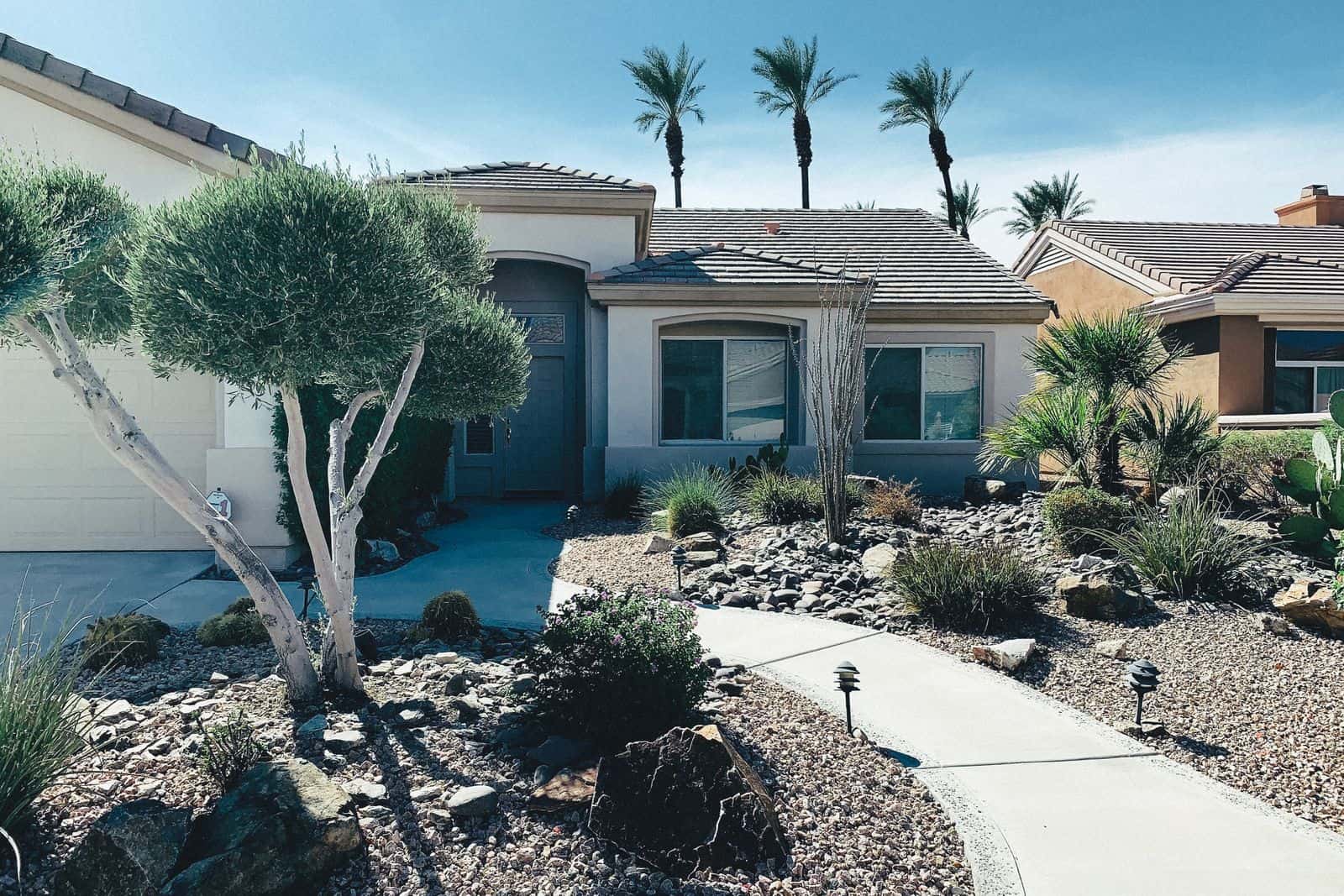
If you’re tired of mowing, watering, and babying a strip of grass that never quite looks as good as the neighbor’s, you’re not alone. A no grass front yard isn’t just a drought-conscious trend anymore — it’s becoming the new curb-appeal standard in neighborhoods across the country, from xeriscaped yards in Phoenix to gravel-and-perennial beds in Ohio.
The good news: ditching the lawn doesn’t mean ditching color, texture, or that “somebody clearly cares about this house” look. Done right, a lawn-free front yard often reads as more polished than turf, simply because every square foot looks intentional instead of mowed-by-default.
This guide walks through seven no-grass front yard ideas, what each one costs and requires to maintain, and how to remove your existing lawn without wrecking your soil in the process.
Table of Contents
- Why Homeowners Are Ditching the Lawn
- 7 No Grass Front Yard Ideas Worth Trying
- Which No-Grass Option Fits Your Yard?
- Removing Your Lawn the Right Way
- Frequently Asked Questions
- Final Thoughts
Key Takeaways
- Outdoor irrigation — mostly lawns — accounts for nearly 8 billion gallons of water a day nationwide, so a no-grass yard can meaningfully cut your water bill.
- Gravel, pavers, mulched beds, and low groundcovers all read as “designed,” not neglected, when edged cleanly and paired with a few structural plants.
- Check your USDA Hardiness Zone before buying perennials or grasses — the right plant list changes a lot between, say, Minnesota and Texas.
- Kill the existing lawn thoroughly before installing anything, or grass will keep pushing through your new beds for years.
- Most HOAs allow lawn alternatives if the design looks maintained — a rough transition period is the usual complaint, not the concept itself.
Why Homeowners Are Ditching the Lawn
Turf grass is thirsty. Nationally, residential outdoor water use — overwhelmingly landscape irrigation — adds up to nearly 8 billion gallons a day, and the average household uses more water outdoors than on showers and laundry combined, according to the EPA’s WaterSense program. Worse, EPA data shows up to half of that outdoor water is lost to wind, evaporation, and runoff from inefficient sprinklers before it ever reaches a root.
That waste is exactly what a no grass front yard fixes. Once established, a xeriscaped bed can cut outdoor water use by 30% to 50% or more compared to traditional turf, per Colorado State University Extension. Add in the hours you’ll get back from not mowing, edging, and fertilizing every week, and it’s easy to see why this style keeps showing up in Garden Design trend roundups.
7 No Grass Front Yard Ideas Worth Trying
1. Gravel Beds With Drought-Tolerant Plants
A layer of decomposed granite or pea gravel over landscape fabric, dotted with yuccas, ornamental grasses, or lavender, is the fastest way to swap turf for something low-water and low-maintenance. Gravel drains instantly, never needs mowing, and looks sharp against a mix of upright and mounding plants. It does hold summer heat, so keep it away from the house foundation in hot climates and skip it in yards without any shade relief.
2. Paver Path With Mulched Planting Beds
Instead of one solid material, break the yard into a paver or flagstone path bordered by generous mulched beds. This is the easiest style to phase in over a few weekends, and it gives you the most room to plant seasonal color. Keep mulch at 2 to 3 inches deep — Mississippi State University Extension notes that thinner layers let weeds through while anything much deeper than 4 inches can smother roots and invite rot.
3. Native Perennial “Meadow” Beds
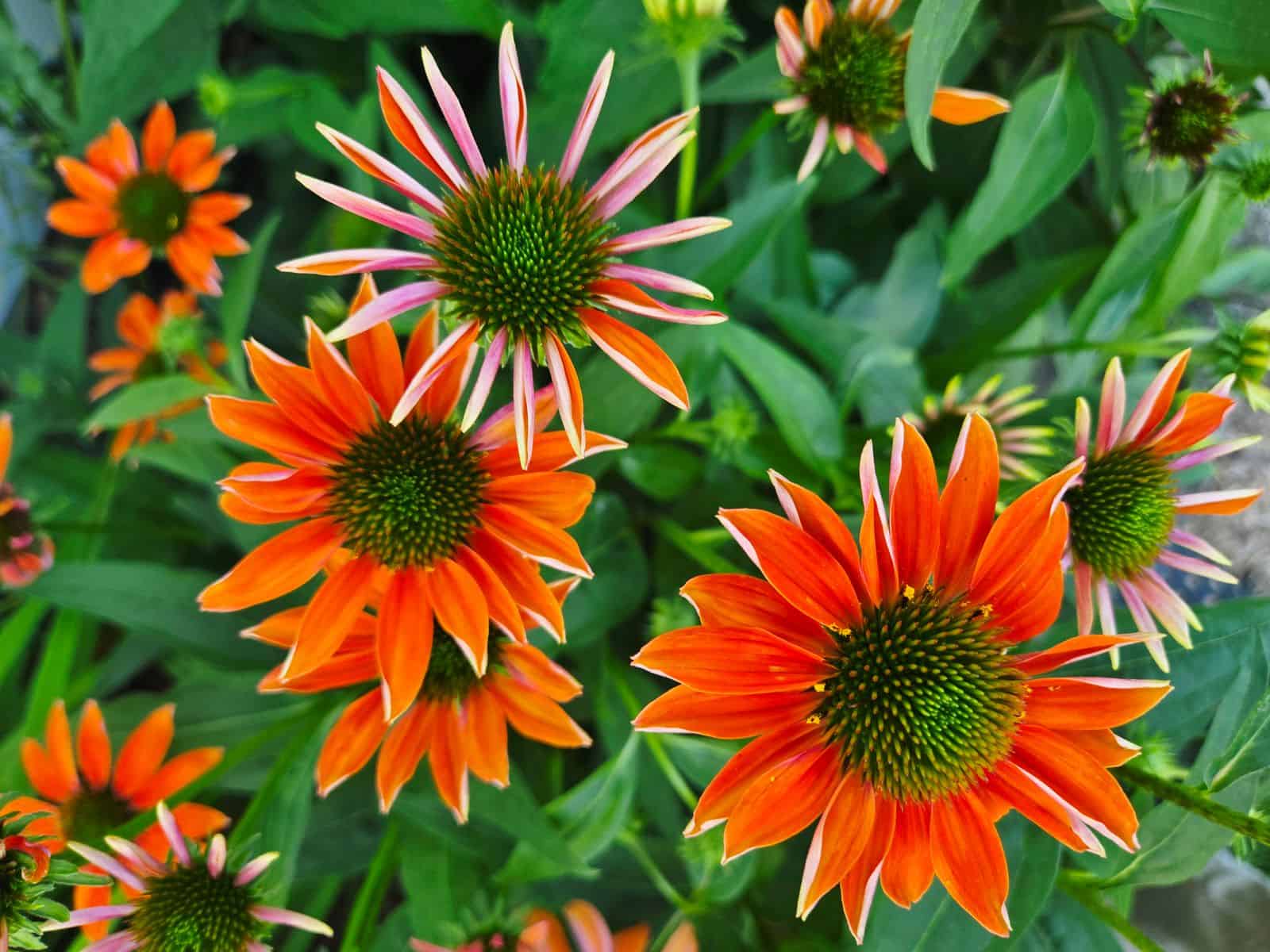
A loose planting of native perennials and grasses — coneflower, black-eyed Susan, little bluestem, and similar — reads as a soft, cottage-style front yard rather than a bare xeriscape. Native plants are adapted to your regional rainfall and soil, so once they’re established they need far less babying than a lawn or imported ornamentals ever did. Many of these same natives are magnets for bees and butterflies too — see our guide on how to plant a pollinator garden to turn a bed like this into real wildlife habitat.
4. Low-Growing Groundcover “Lawn”
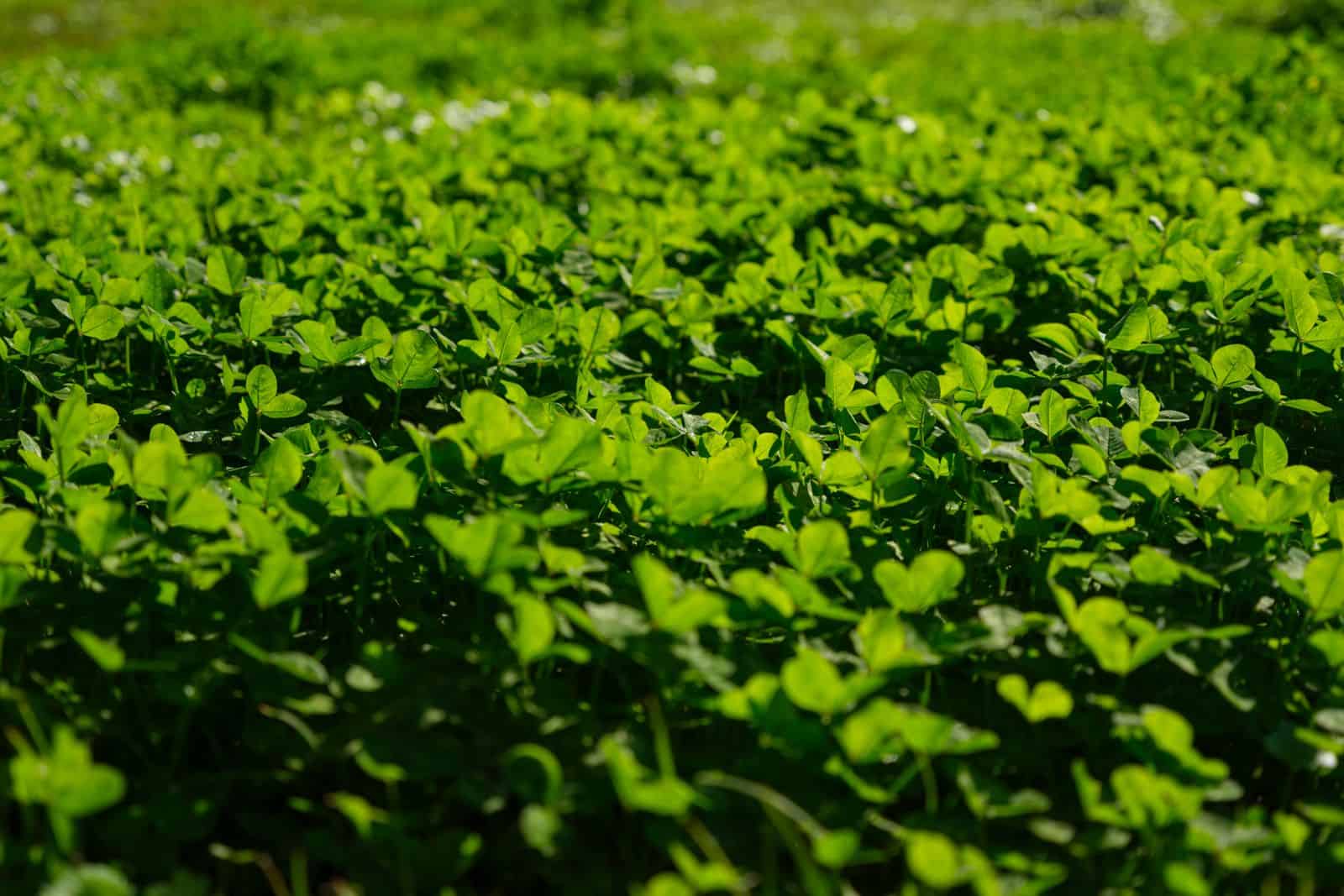
If you still want a green, walkable surface, creeping thyme, clover, or a sedge blend can stand in for turf without the mowing schedule. These spread to form a dense mat, tolerate some foot traffic, and many varieties handle shade better than grass does. One caution from UNH Extension’s groundcover guide: a few old-school groundcovers, like English ivy and creeping vinca, are invasive in parts of the country, so check your state’s list before planting.
5. Rock Garden With Succulents
In hot, dry climates, a rock garden built around boulders, gravel, and cold-hardy succulents like sedum or hens-and-chicks turns the whole front yard into a low-water focal point. This look leans more sculptural than lush, so it suits modern or desert-style homes better than a traditional colonial.
6. Mixed Shrub and Ornamental Grass Border
Evergreen shrubs anchoring the foundation, with ornamental grasses like little bluestem or feather reed grass filling the rest of the bed, gives year-round structure — something a lot of no-grass yards lack in winter. The grasses add movement and a soft screen from the street without ever needing a mower.
7. Artificial Turf Accent
Synthetic turf isn’t for everyone, and it shouldn’t cover the whole yard, but a small artificial-turf panel near the entry or as a rug-like accent between planting beds gives kids or pets a soft spot to play without the water bill of real grass. Budget for proper drainage underneath, since poor installation is the most common complaint homeowners have with it.
Which No-Grass Option Fits Your Yard?
| Option | Best for | Price range (per 100 sq ft, installed) | Watch out for |
|---|---|---|---|
| Gravel + drought-tolerant plants | Hot, sunny yards; low upkeep | $300–$600 | Heat reflection near windows; weed fabric wearing thin over years |
| Pavers + mulched beds | Homeowners who want to phase the project | $400–$900 | Mulch needs topping off yearly |
| Native perennial beds | Wildlife-friendly, cottage look | $200–$500 | Looks sparse the first year or two |
| Groundcover lawn (thyme, clover, sedge) | Yards that still want “green” | $150–$400 | Slower to fill in; some foot-traffic limits |
| Rock garden with succulents | Desert/modern homes, full sun | $350–$700 | Limited to warm, dry, well-drained sites |
| Shrub + ornamental grass border | Year-round structure and privacy | $300–$800 | Needs a few years to fill out |
| Artificial turf accent | Small play areas, pet spots | $800–$1,200 | Drainage and heat build-up if installed poorly |
Prices vary widely by region and materials on hand locally — treat these as a starting point for budgeting, not a quote.
Removing Your Lawn the Right Way
Skipping this step is the #1 reason no-grass yards fail — old turf keeps resprouting through new beds for a season or two if it isn’t fully killed first.
Smother it (slowest, cheapest, no chemicals)
Cover the grass with cardboard and 3–4 inches of mulch or compost, and leave it for 6–8 weeks during the growing season. The grass dies from lack of light, and the cardboard breaks down into the soil.
Cut and remove the sod (fastest)
Rent a sod cutter for large areas, or use a few essential hand tools — a flat spade and a garden hoe handle most front yards fine — to strip the turf in sections and haul it off (or compost it elsewhere). This gets you to a plantable surface in a weekend but is the most physical labor of the three methods.
Solarize it (best in full-sun, hot climates)
Water the area, then stretch clear plastic sheeting over it and anchor the edges for 4–6 weeks of peak summer sun. The trapped heat cooks the grass and most weed seeds along with it.
Whichever method you use, test your soil before planting — a lawn that’s been fertilized for years often needs different amendments than a fresh perennial or native bed will.
Frequently Asked Questions
Is a no-grass front yard cheaper than a lawn in the long run?
Usually, yes. The upfront installation costs more than seed or sod, but you’re trading years of mowing, fertilizing, and irrigation for occasional weeding and mulch top-offs, so most homeowners recoup the difference within a few years.
Will my HOA allow a no-grass front yard?
Many will, especially xeriscaping and native-plant designs, but check your covenant first — some HOAs require a minimum percentage of “living groundcover” or have rules about gravel and turf removal. Submitting a simple planting plan for approval avoids headaches later.
What’s the cheapest way to replace grass?
Smothering the lawn with cardboard and mulch, then planting a mix of low-cost native perennials or a groundcover lawn from seed, is the least expensive route — it just takes more patience than buying mature plants or pavers.
Do no-grass yards need any watering?
Yes, at least while plants establish — usually the first one to two growing seasons. After that, drought-tolerant and native selections need little to no supplemental water outside of extreme dry spells.
Can I mix a few of these ideas in one yard?
Absolutely — most well-designed no-grass yards combine two or three: a paver path, mulched perennial beds along the border, and a small groundcover or gravel area near the entry.
Final Thoughts
Swapping a thirsty lawn for gravel, native perennials, or a groundcover blend isn’t just a water-saving move — it’s a chance to give your front yard some actual personality instead of a uniform green rectangle. Start small if you’re not ready to commit to the whole yard: one mulched bed or a gravel path this season can prove the concept before you go further.
For more on choosing plants that thrive on minimal water, see our xeriscaping ideas for a low-water front yard, or browse the Garden Design category for more low-water landscaping.