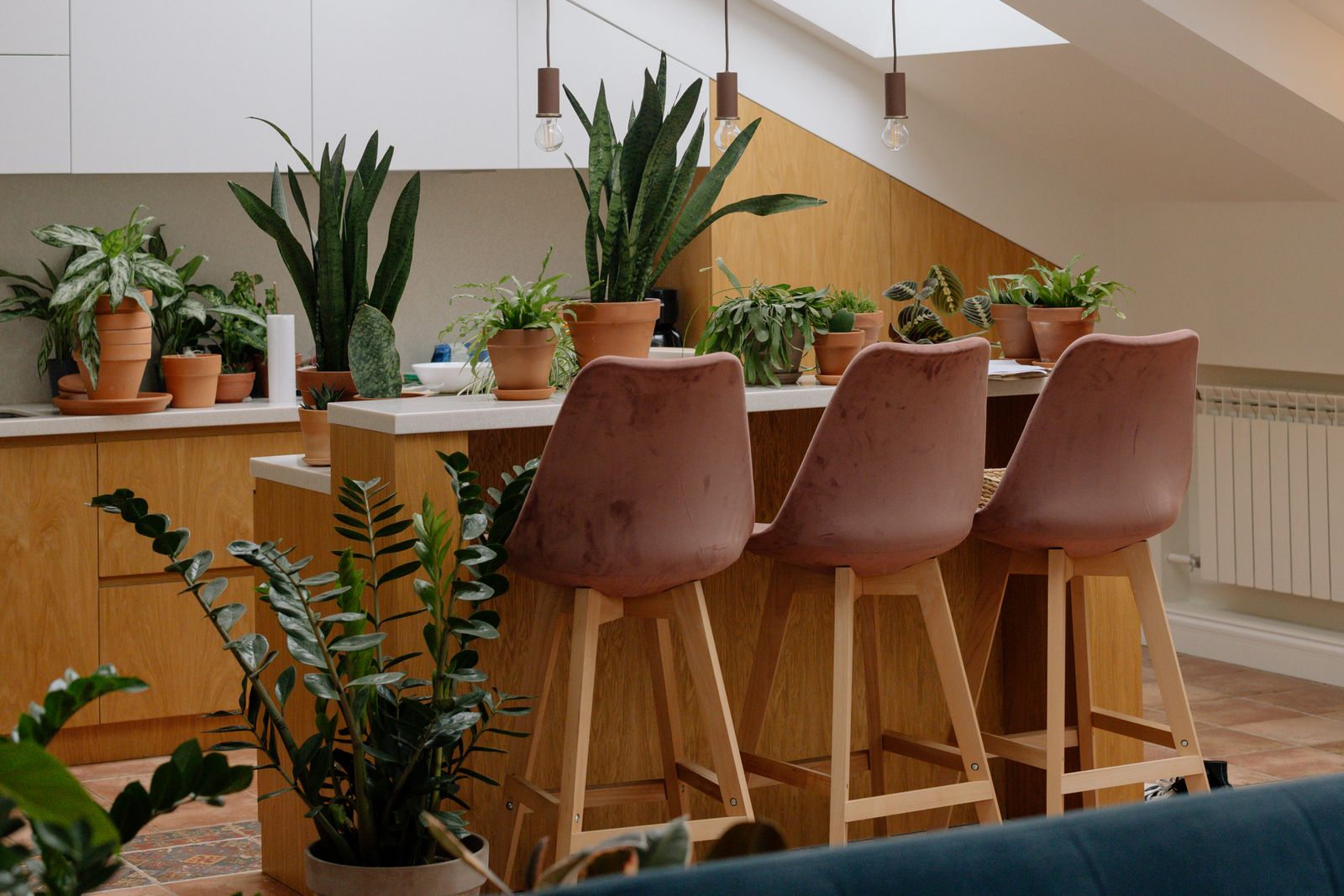
“Low light” is the most overused phrase on plant tags, and it gets a lot of houseplants killed. Plenty of plants marketed as low-light options actually just tolerate it — they hang on, stop growing, and slowly decline in a dim corner. The 12 low light indoor plants below are different: they genuinely grow, not just survive, in a north-facing room, a windowless office, or a hallway that never sees direct sun.
Below you’ll find what “low light” actually means indoors, 12 real options ranked by how little light they’ll settle for, and a few habits that keep any of them from rotting in the dark.
Table of Contents
- What “Low Light” Actually Means Indoors
- 12 Low Light Indoor Plants That Actually Thrive
- Care Tips for Any Low Light Plant
- Frequently Asked Questions
- Final Thoughts
Key Takeaways
- “Low light” means no direct sun, but still some daylight — a windowless room with only artificial light will struggle almost any plant long-term.
- ZZ plant, cast iron plant, and snake plant are the most forgiving of true low light and heavy neglect.
- Low light slows a plant’s water use, so watering less often matters more here than in bright rooms — soggy soil is the top cause of houseplant death in dim spots.
- Several popular low-light picks (pothos, snake plant, philodendron, peace lily) are mildly to moderately toxic to cats and dogs — check before you buy if pets chew houseplants.
- Rotate pots a quarter turn every couple of weeks so plants don’t grow lopsided leaning toward the only light source in the room.
What “Low Light” Actually Means Indoors
Indoor light is measured in foot-candles, and the numbers most people picture when they hear “bright room” are far higher than reality. According to Clemson Cooperative Extension, a well-lit home interior often falls under 100 foot-candles, while a spot several feet from an unobstructed window can still register as “low light” in plant terms — low doesn’t mean zero.
True “no light” corners, like an interior hallway or windowless bathroom with no daylight at all, will eventually stall growth in even the toughest plants on this list. If a room gets some daylight, even indirect and weak, everything below has a real shot. If it gets none, plan on rotating plants in and out under grow lights, or picking a spot near an interior doorway that borrows a little light from an adjacent window.
12 Low Light Indoor Plants That Actually Thrive
| Plant | Light tolerance | Difficulty | Pet safety | Watch out for |
|---|---|---|---|---|
| ZZ Plant | Very low | Very easy | Toxic (ASPCA) | Rots fast if overwatered |
| Cast Iron Plant | Very low | Very easy | Pet safe (ASPCA) | Slow grower — patience required |
| Snake Plant | Low | Very easy | Toxic (ASPCA) | Root rot from overwatering |
| Pothos | Low–medium | Very easy | Toxic (ASPCA) | Loses variegation in deep shade |
| Chinese Evergreen | Low–medium | Easy | Toxic (ASPCA) | Colorful cultivars fade in deep shade |
| Peace Lily | Low–medium | Easy | Toxic (ASPCA) | Won’t bloom without more light |
| Heartleaf Philodendron | Low–medium | Easy | Toxic (ASPCA) | Gets leggy without occasional bright light |
| Parlor Palm | Low–medium | Easy | Pet safe (ASPCA) | Brown tips from dry air or hard water |
| Dracaena | Medium (tolerates low) | Easy | Toxic (ASPCA) | Brown leaf tips from fluoride in tap water |
| Spider Plant | Medium (tolerates low) | Easy | Pet safe (ASPCA) | Brown tips from fluoridated water |
| Monstera Deliciosa | Medium (tolerates low) | Moderate | Toxic (ASPCA) | Won’t develop split leaves without more light |
| Peperomia | Medium (tolerates low) | Easy | Pet safe (ASPCA) | Overwatering causes mushy stems fast |
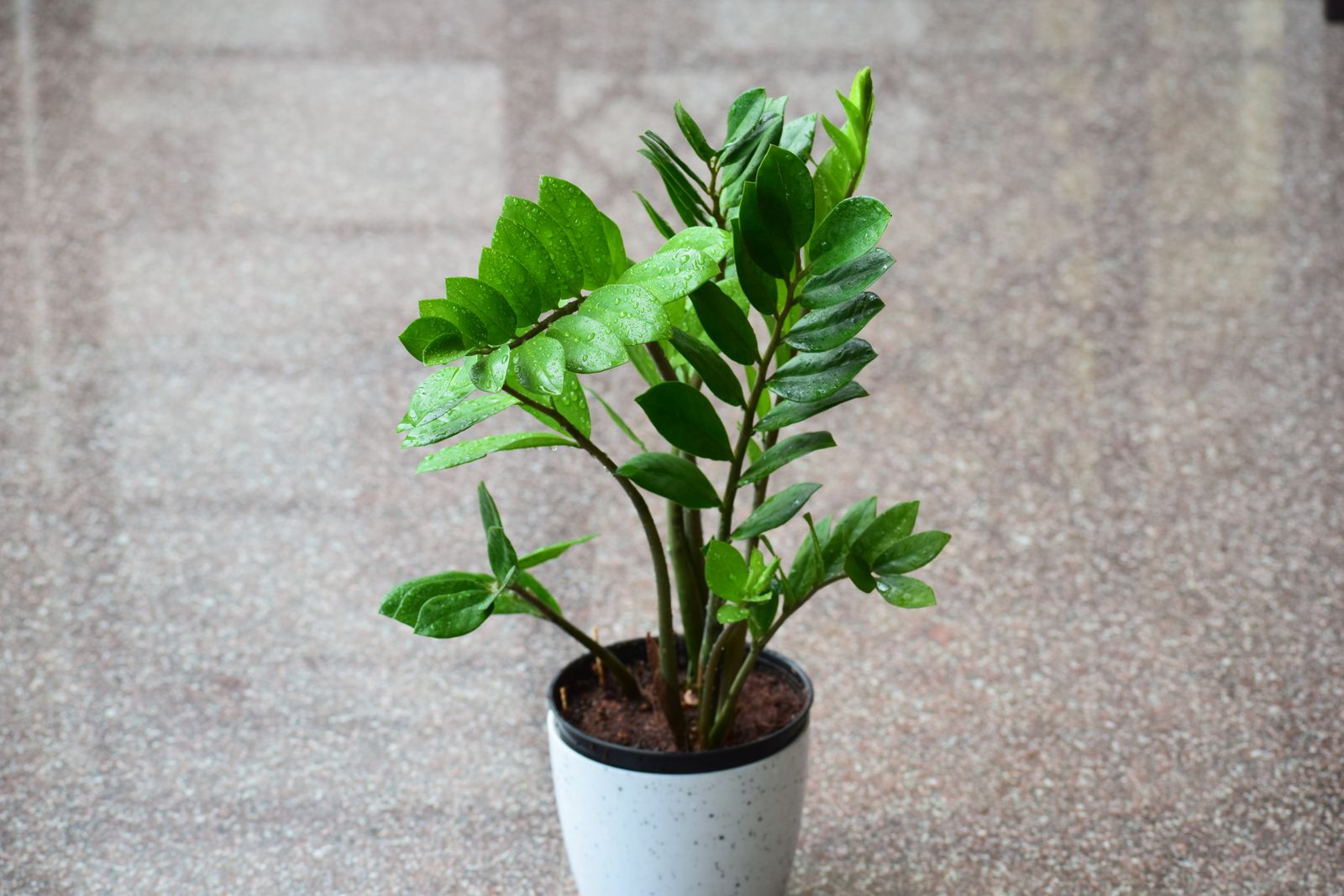
ZZ Plant (Zamioculcas zamiifolia)
The ZZ plant might be the single most forgiving houseplant sold. Its thick, potato-like rhizomes store water, so it shrugs off weeks of neglect and genuinely thrives in dim rooms where other plants just cling on — Iowa State and Illinois Extension both call it exceptionally tolerant of low light, dry soil, and low humidity. The glossy leaves also make it look expensive without the fuss. The one way to kill it is overwatering — let the soil dry out completely between waterings, and go even longer in winter.
Cast Iron Plant (Aspidistra elatior)
True to its name, cast iron plant survives almost anything: low light, irregular watering, temperature swings, and dust that would stress a fussier plant. It’s slow — expect a few new leaves a year, not a flush of growth — but that patience buys you a plant that’s essentially indestructible and, per the ASPCA, non-toxic to cats and dogs.
Snake Plant (Dracaena trifasciata)
Snake plant tolerates dim corners better than almost anything with showier foliage, storing water in its stiff, upright leaves so it can go weeks between waterings. It’s toxic to pets if chewed, so keep it out of reach of curious cats. For the full rundown on watering schedule, soil, and propagation, see our complete snake plant care guide.
Pothos (Epipremnum aureum)
Pothos will grow in low light, but there’s a tradeoff: variegated types like Marble Queen or Golden Pothos fade toward solid green the darker the room gets, since the plant stops bothering to produce non-green pigment it doesn’t need. It still counts as a genuine low-light plant, just expect plainer leaves. Our pothos care guide covers watering, light, and the most common mistakes people make with it.
Chinese Evergreen (Aglaonema)
Aglaonema handles low to medium light well and comes in patterned cultivars from deep green to pink-flushed. The more colorful the variety, the more light it wants to hold that color — plain green types are the better pick for the dimmest rooms. It’s toxic to pets, containing the same calcium oxalate crystals found in philodendron and peace lily.
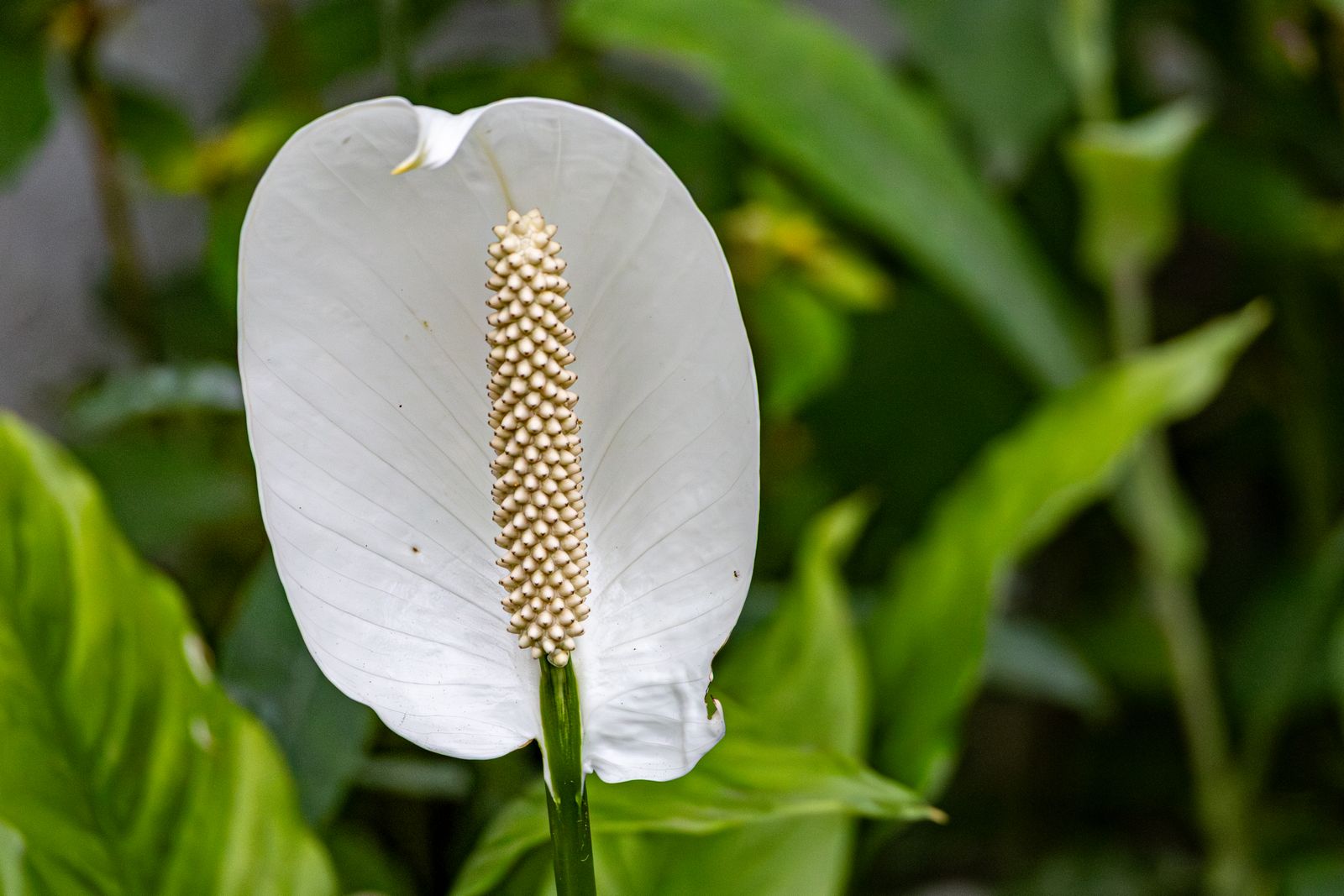
Peace Lily (Spathiphyllum)
Peace lily tolerates low light and is one of the few plants on this list that dramatically tells you when it’s thirsty — the leaves droop noticeably, then perk back up within hours of watering. The tradeoff for low light is fewer of its white blooms; for regular flowering, it needs brighter, indirect light. It’s toxic to pets if chewed.
Heartleaf Philodendron (Philodendron hederaceum)
A trailing vine that tolerates low light about as well as pothos, with softer, heart-shaped leaves and a slightly faster growth habit. In very low light it’ll get leggy, with long gaps between leaves — an occasional trim and a turn toward brighter light every so often keeps it fuller. Like most philodendrons, it’s toxic to pets.
Parlor Palm (Chamaedorea elegans)
A genuinely elegant, feathery palm that tolerates low light better than almost any other palm sold as a houseplant, and one of the few plants here that’s also pet safe according to the ASPCA. Brown leaf tips are common and usually just cosmetic, often caused by dry indoor air or minerals in tap water rather than anything seriously wrong.
Dracaena (Corn Plant, ‘Janet Craig’, and similar)
The broader dracaena family — including corn plant (Dracaena fragrans) and ‘Janet Craig’ — tolerates low to medium light and grows into a tall, architectural floor plant over time. Brown leaf tips are a common cosmetic issue, often from fluoride or chlorine in tap water; watering with distilled or filtered water helps. The ASPCA lists dracaena as moderately toxic to pets.
Spider Plant (Chlorophytum comosum)
Spider plant tolerates lower light than its cheerful reputation suggests, though it grows fastest and produces the most “babies” (plantlets) in medium indirect light. It’s non-toxic to cats and dogs per the ASPCA, making it one of the pet-safe picks on this list. Brown tips are common and usually cosmetic, often from fluoridated tap water or dry air.
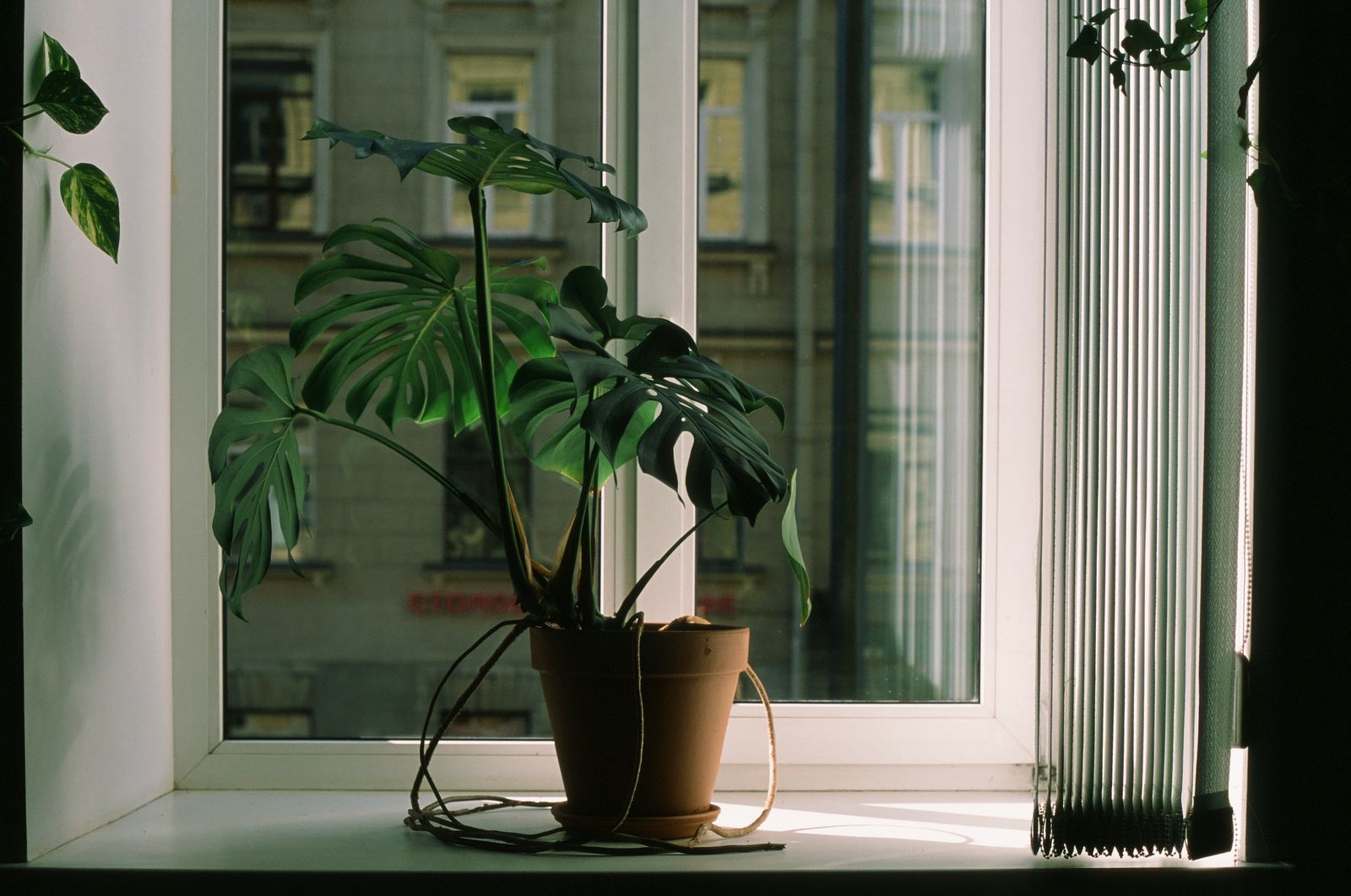
Monstera Deliciosa
Monstera tolerates low light and will keep growing there, but it comes with a well-known tradeoff: the dramatic split, fenestrated leaves people buy it for need brighter, indirect light to develop. In a dim room, expect smaller, solid (unsplit) leaves. If your monstera’s leaves aren’t splitting the way you expected, our guide on why monstera leaves don’t split walks through light, humidity, and the other factors involved. It’s toxic to pets if chewed.
Peperomia (multiple species, including Peperomia obtusifolia)
A compact, easygoing plant that tolerates low to medium light and stays small enough for a desk or a shelf that gets little natural light. Its thick, semi-succulent leaves store some water, but not nearly as much as a snake plant’s — overwatering causes mushy stems fast, so let the soil dry out between waterings. It’s non-toxic to cats and dogs per the ASPCA, making it one of the safest picks here for pet owners.
Care Tips for Any Low Light Plant
Water less often than you think. Lower light means slower growth and slower soil drying, so a watering schedule that works in a bright room will overwater the same plant in a dim one. Soggy soil that never dries out is the single biggest killer of low-light houseplants, and it also invites fungus gnats — check the soil with a finger before every watering rather than watering on a fixed schedule.
Dust the leaves. A layer of dust blocks what little light a plant is already getting. Wipe broad leaves with a damp cloth every few weeks.
Rotate the pot. Plants lean hard toward their strongest light source in a dim room. A quarter turn every week or two keeps growth even instead of one-sided.
Skip heavy fertilizing. Slower growth means these plants need less feeding than sun-loving houseplants — over-fertilizing in low light just builds up salts in soil the plant isn’t using quickly.
Consider a grow light for truly dark rooms. If a space gets no daylight at all, even the toughest plant on this list will eventually decline. A simple LED grow light on a timer extends what’s possible well beyond natural low light.
Frequently Asked Questions
What is the toughest low light houseplant?
ZZ plant and cast iron plant are usually considered the two most forgiving of true low light combined with irregular watering. Snake plant is a close third and tolerates neglect just as well.
Can any plant survive with no natural light at all?
Not indefinitely. Every plant needs some light, even if weak or indirect, to photosynthesize. A windowless room needs a grow light to keep plants alive long-term, no matter how “low light tolerant” the plant is marketed as.
Will low light plants still grow, or just survive?
The 12 plants above genuinely grow in low light, just more slowly than they would in brighter conditions. That’s different from “low light tolerant” plants that technically survive but visibly decline over months.
Are low light plants safe for cats and dogs?
It depends on the plant — several popular low-light options (pothos, snake plant, philodendron, peace lily, Chinese evergreen, dracaena) are toxic to pets if chewed, while parlor palm, cast iron plant, spider plant, and peperomia are considered pet safe by the ASPCA. Always check a specific plant before bringing it home if pets have access.
Why are my low light plant’s leaves turning yellow?
In a dim room, yellowing is most often overwatering rather than a light problem, since slower growth means the soil takes longer to dry out. See our full diagnostic guide on yellow leaves on plants to rule out the other common causes.
Final Thoughts
A dim room doesn’t have to stay bare. Start with the most forgiving options — ZZ plant, cast iron plant, or snake plant — get a feel for how slowly they dry out compared to a sunny-window plant, and expand from there. For more picks that thrive indoors with minimal fuss, browse the rest of our Indoor Plants category.