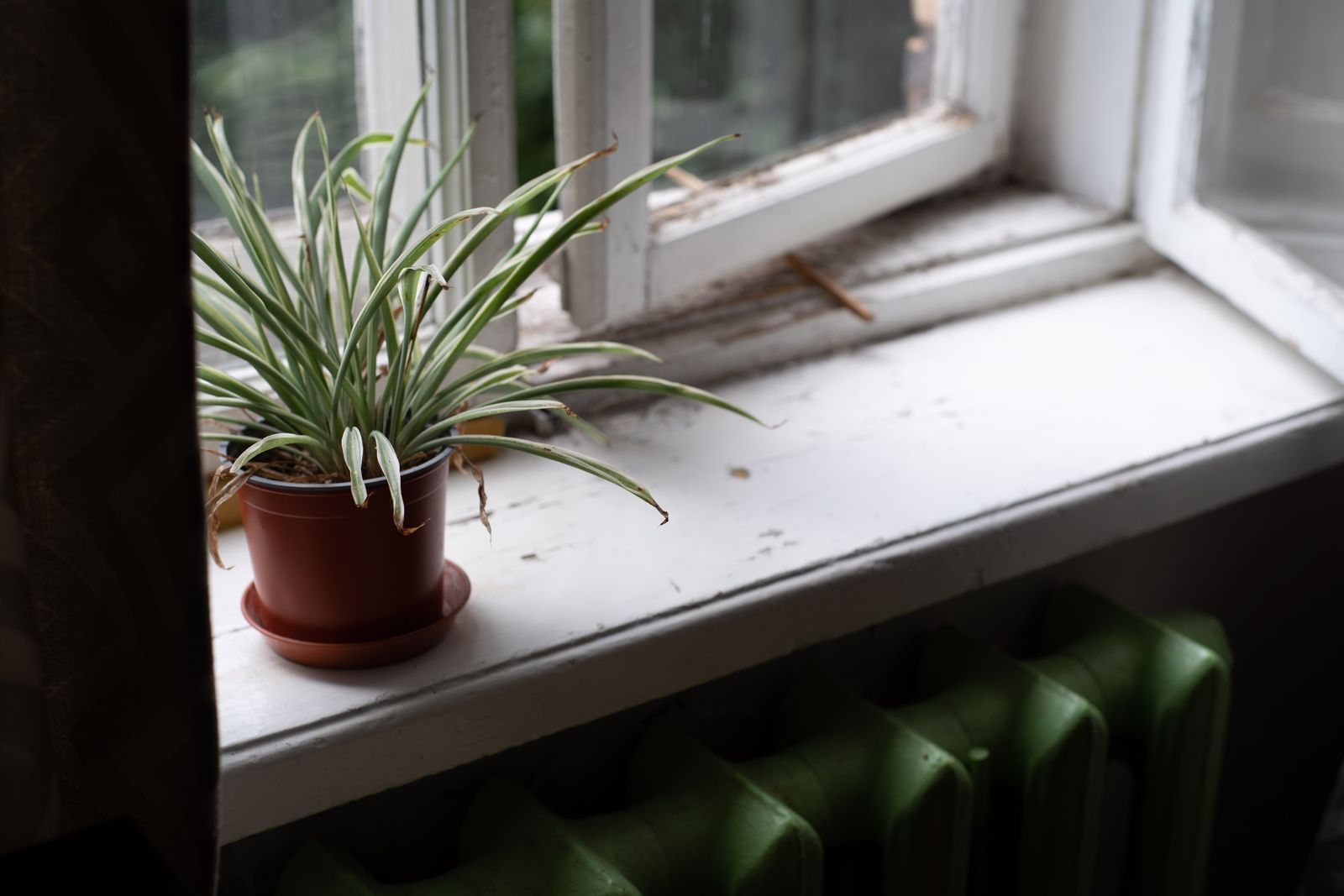
Here’s the uncomfortable truth: some of the most popular houseplants in America — pothos, snake plant, monstera, peace lily — are toxic to cats and dogs. None of that stops garden centers from selling them right next to the leash aisle, and it’s why so many pet owners end up calling poison control after a curious puppy takes one bite. The good news is there’s a long list of genuinely attractive pet safe houseplants that carry zero risk, verified against the ASPCA’s own toxic and non-toxic plant database.
Below are 15 ASPCA-confirmed non-toxic houseplants, a rundown of the popular plants worth skipping if pets have access, and a few habits that keep any plant — safe or not — out of trouble.
Table of Contents
- Popular Houseplants That Are NOT Pet Safe
- 15 Pet Safe Houseplants for Cats and Dogs
- Keeping Any Houseplant Safe Around Pets
- Frequently Asked Questions
- Final Thoughts
Key Takeaways
- “Non-toxic” is a specific ASPCA classification, not a guess — every plant below is confirmed on the ASPCA’s own toxic and non-toxic plant lists for cats and dogs.
- Some of the most popular houseplants sold in the US — pothos, snake plant, monstera, peace lily, ZZ plant, and aloe vera — are toxic to pets and worth skipping if a cat or dog can reach them.
- Spider plant, parlor palm, and Boston fern are easy, widely available, and completely non-toxic — solid first picks for a pet household.
- Even a non-toxic plant can cause vomiting or mild stomach upset if a pet eats a large amount, since any unfamiliar plant material can irritate the gut.
- Cats and dogs do not instinctively avoid toxic plants, according to the ASPCA — placement and plant choice matter more than trusting your pet’s judgment.
Popular Houseplants That Are NOT Pet Safe
Before the safe list, a quick warning about the plants people most often assume are fine. According to the ASPCA and Clemson Cooperative Extension, these widely sold houseplants are toxic to cats and/or dogs:
- Pothos and heartleaf philodendron — calcium oxalate crystals cause mouth and throat irritation. See our pothos care guide, which covers its toxicity in more detail.
- Snake plant — contains saponins that cause vomiting and diarrhea if chewed. Full details in our snake plant care guide.
- Monstera deliciosa — same calcium oxalate irritation as pothos and philodendron.
- Peace lily, Chinese evergreen, and ZZ plant — all contain calcium oxalates.
- Aloe vera — despite its reputation as a skin remedy for humans, aloe’s saponins make it toxic to cats and dogs.
- English ivy — toxic to both cats and dogs, and can also irritate skin on contact.
None of this means you can’t own these plants — just that they need to go somewhere pets genuinely can’t reach, not just somewhere they usually don’t bother.
15 Pet Safe Houseplants for Cats and Dogs
| Plant | Light needs | Difficulty | Why people love it |
|---|---|---|---|
| Spider Plant | Medium, tolerates low | Very easy | Fast-growing, produces “baby” plantlets to propagate |
| Parlor Palm | Low–medium | Easy | Elegant, feathery, tolerates dim rooms |
| Areca Palm | Medium–bright | Moderate | Full, tropical look for a bright corner |
| Cast Iron Plant | Very low | Very easy | Survives almost total neglect |
| Baby Rubber Plant | Medium | Easy | Compact, glossy, great for shelves |
| Boston Fern | Medium, indirect | Moderate | Classic, lush texture for a porch or bathroom |
| Christmas Cactus | Bright, indirect | Easy | Blooms reliably in winter |
| Haworthia | Bright, indirect | Very easy | Aloe-like look without the toxicity |
| Phalaenopsis Orchid | Bright, indirect | Moderate | Long-lasting blooms, popular gift plant |
| Ponytail Palm | Bright | Very easy | Sculptural, drought-tolerant, low-maintenance |
| Prayer Plant | Medium, indirect | Moderate | Leaves fold up at night, striking patterns |
| Polka Dot Plant | Medium–bright | Easy | Colorful pink, red, or white speckled leaves |
| Money Tree | Medium, indirect | Easy | Braided trunk, popular as a gift |
| Chinese Money Plant | Medium–bright, indirect | Easy | Round coin-shaped leaves, easy to propagate |
| African Violet | Bright, indirect | Moderate | Compact, near-constant blooms |
Spider Plant (Chlorophytum comosum)
One of the most forgiving houseplants around, tolerating everything from bright light to a dim corner. It sends out long stems tipped with “babies” you can snip off and root in water, making it an easy way to fill a whole room with pet-safe greenery for free.
Parlor Palm (Chamaedorea elegans)
A slow-growing, feathery palm that handles low light better than almost any other palm sold as a houseplant. It’s a reliable pick for a room that doesn’t get much sun.
Areca Palm (Dypsis lutescens)
A fuller, more dramatic palm than the parlor palm, with arching fronds that read as instantly tropical. It wants more light and more frequent watering, so it suits a bright living room better than a dim hallway.
Cast Iron Plant (Aspidistra elatior)
True to its name, this plant tolerates low light, irregular watering, and general neglect better than almost anything else on this list — a good option for a beginner or a genuinely dark corner.
Baby Rubber Plant (Peperomia obtusifolia)
Not related to the toxic rubber tree (Ficus elastica) despite the similar name — this compact peperomia has thick, glossy leaves and stays small enough for a desk or shelf.
Boston Fern (Nephrolepis exaltata)
A classic, full-textured fern that wants consistently moist soil and higher humidity than most houseplants — a bathroom with a window or a covered porch suits it well.
Christmas Cactus (Schlumbergera spp.)
Unlike a desert cactus, this one is a tropical, jungle-dwelling succulent that likes indirect light and regular water. It reliably reblooms with pink or red flowers around the winter holidays.
Haworthia (Haworthia fasciata and similar)
A small, striped succulent that looks like a miniature aloe but carries none of aloe’s toxicity — a good pet-safe stand-in if you like that look.
Phalaenopsis Orchid
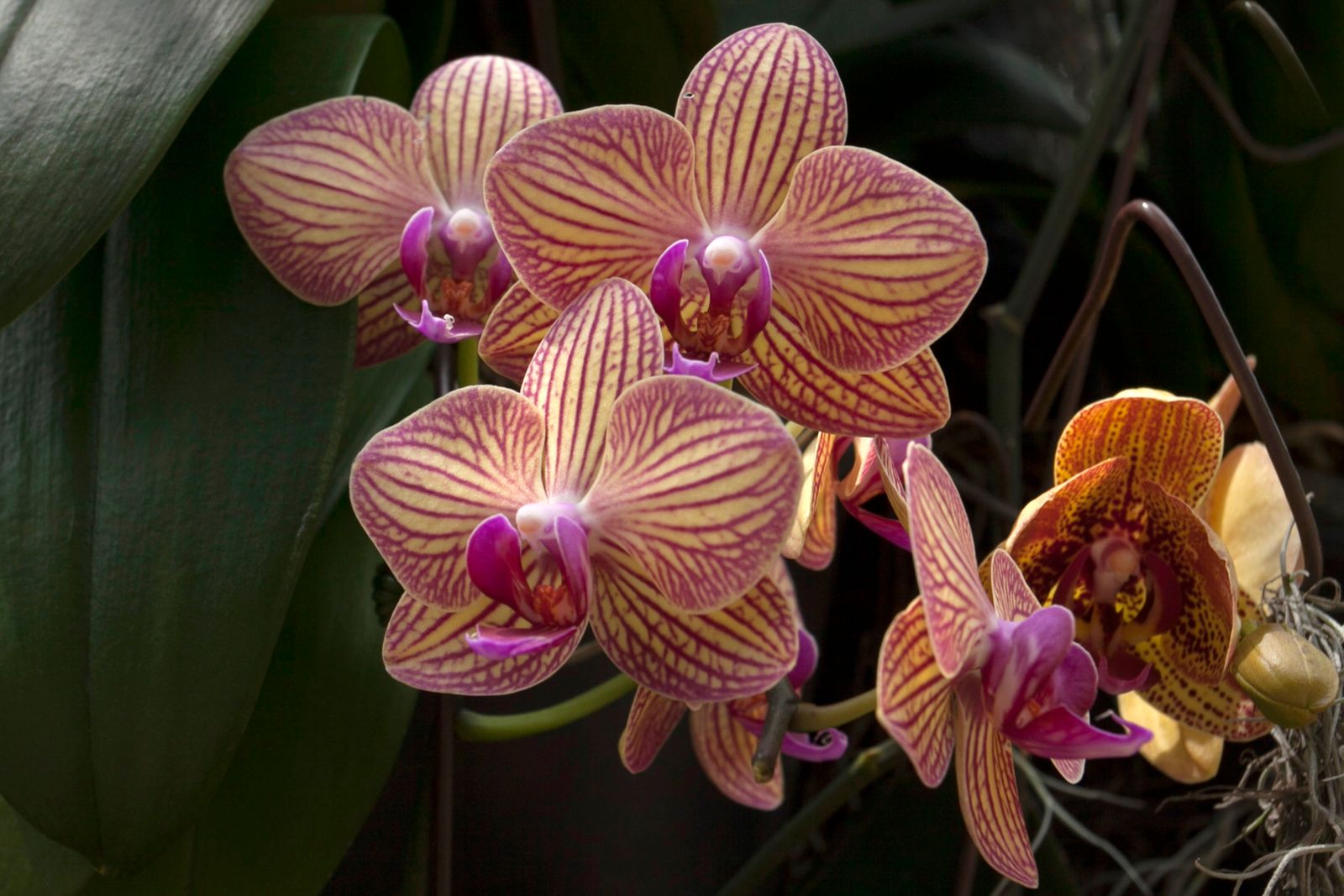
The most common orchid sold at US grocery stores and garden centers, valued for blooms that last for months. It needs bright, indirect light and a specialized orchid bark mix rather than regular potting soil.
Ponytail Palm (Beaucarnea recurvata)
Not a true palm, but a sculptural succulent with a bulbous water-storing base and a fountain of curling leaves. It tolerates drought well and makes a striking, low-maintenance statement plant.
Prayer Plant (Maranta leuconeura)
Named for the way its patterned leaves fold upright at night like praying hands. It wants consistent moisture and higher humidity than a cast iron plant or ponytail palm, so it’s a step up in care level.
Polka Dot Plant (Hypoestes phyllostachya)
Grown for its speckled pink, red, or white leaves rather than flowers. It’s short-lived as a houseplant compared to some picks here, but cheap, colorful, and easy to replace.
Money Tree (Pachira aquatica)
Recognizable by its braided trunk, sold widely as a gift plant for new homes and offices. It prefers bright, indirect light and soil that dries out somewhat between waterings.
Chinese Money Plant (Pilea peperomioides)
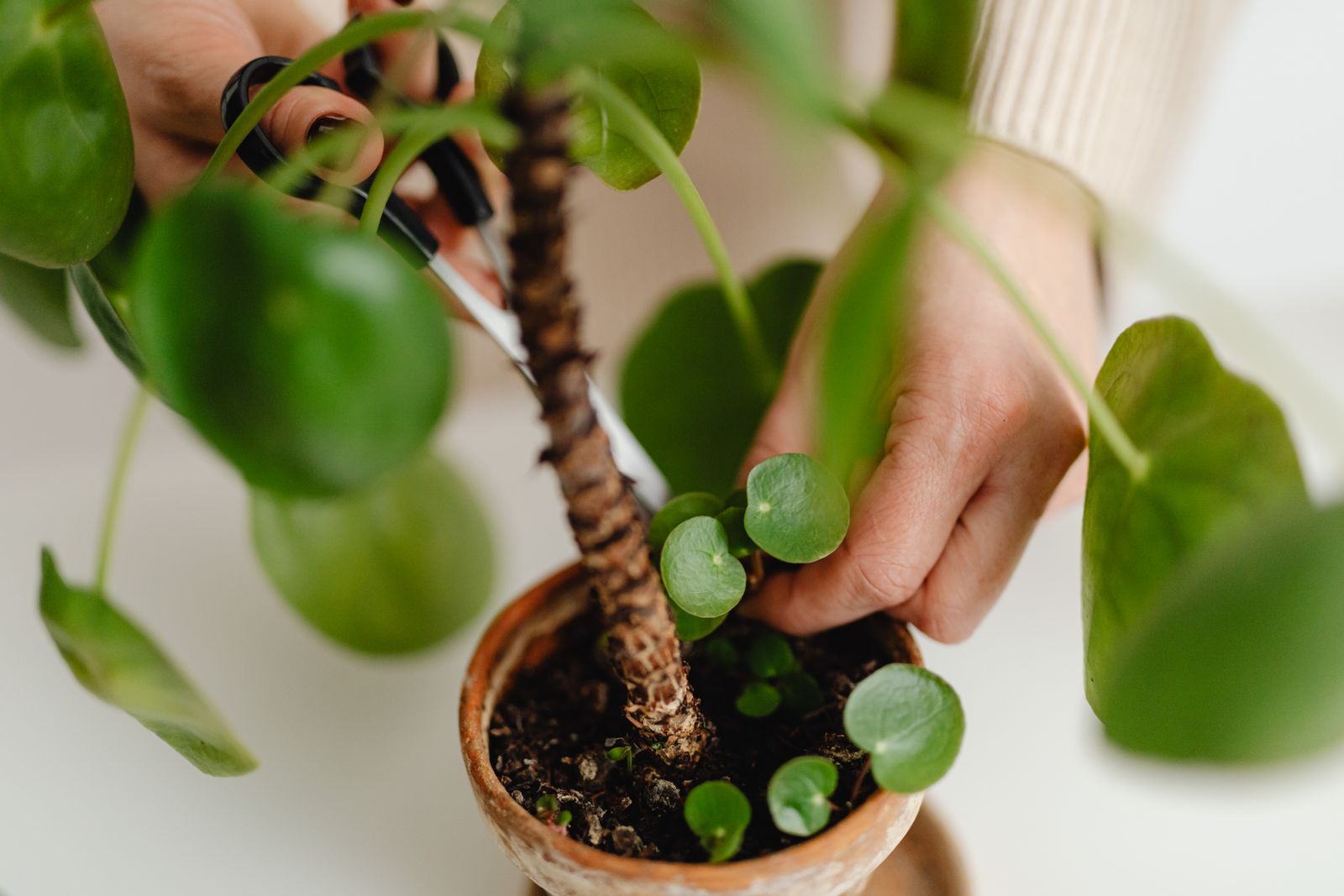
Instantly recognizable by its round, coin-shaped leaves on long stems radiating from a central trunk. It’s a favorite for propagating — mature plants regularly send up small plantlets at the base that root easily in water, which is how it earned the nickname “pass-it-on plant.” The ASPCA lists it among its non-toxic succulent picks.
African Violet (Saintpaulia spp.)
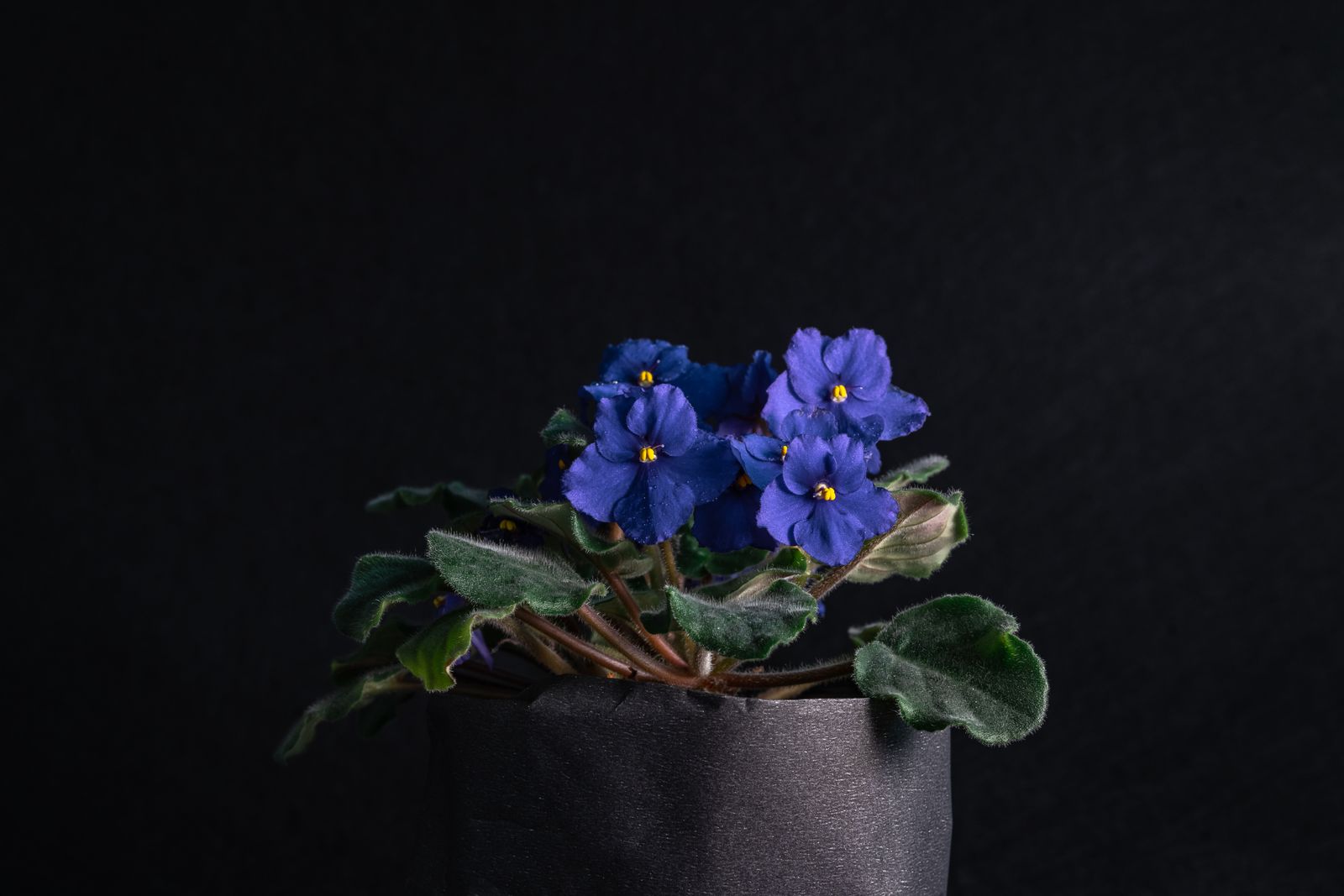
A compact classic that blooms nearly year-round in the right spot — bright, indirect light with no direct sun, which scorches the fuzzy leaves. Water from the bottom to avoid leaf spots.
Keeping Any Houseplant Safe Around Pets
Don’t rely on your pet to know better. According to the ASPCA, cats and dogs don’t instinctively avoid toxic plants, so a plant’s safety depends on your choice and placement, not your pet’s judgment.
“Non-toxic” doesn’t mean “no reaction possible.” Even the pet-safe plants above can cause mild vomiting or diarrhea if a pet eats a large quantity, simply from unfamiliar plant fiber irritating the gut — that’s different from actual poisoning, but it’s still worth discouraging.
Use height and enclosure for anything questionable. Hanging planters, high shelves, and plant stands out of jumping range work better than hoping a pet loses interest. Cats in particular can reach surprising heights.
Know the number. If you suspect a pet has eaten a toxic plant, contact your veterinarian or the ASPCA Animal Poison Control Center at (888) 426-4435 right away rather than waiting to see symptoms.
Double-check before you buy, every time. Plant tags rarely mention pet toxicity, and common names vary — the same plant might be labeled “Devil’s Ivy” instead of “Pothos” at different stores. When in doubt, look up the scientific name against the ASPCA’s plant list before it comes home.
Frequently Asked Questions
Are all succulents safe for cats and dogs?
No — this is one of the most common mix-ups. Aloe vera and jade plant are both popular succulents that are toxic to pets, while haworthia and Christmas cactus are non-toxic. Always check the specific species rather than assuming “succulent” means safe.
Is snake plant really toxic to cats?
Yes. Snake plant contains saponins that typically cause drooling, vomiting, or diarrhea if chewed — uncomfortable but rarely life-threatening. See our full snake plant care guide for more on the plant, including its toxicity.
What should I do if my pet eats a toxic houseplant?
Contact your veterinarian or the ASPCA Animal Poison Control Center at (888) 426-4435 immediately, and try to identify the plant so you can tell them exactly what was eaten.
Are pet safe houseplants also safe for other pets, like birds or rabbits?
Not necessarily — the ASPCA’s ratings cover dogs, cats, and horses specifically. Birds, rabbits, and other small pets can have different sensitivities, so check a source specific to that animal before assuming.
Which pet safe houseplant is easiest for a beginner?
Spider plant and cast iron plant are both nearly impossible to kill and tolerate a wide range of light and watering mistakes, making them the best starting points for a first pet-safe houseplant.
Final Thoughts
You don’t have to choose between a home full of plants and a home safe for your pets — you just have to choose the right plants. Start with a few of the toughest options here, like spider plant or cast iron plant, and build out from there once you’ve got a feel for what your space and your pets can handle. For more houseplant picks and care guides, browse our full Indoor Plants category.