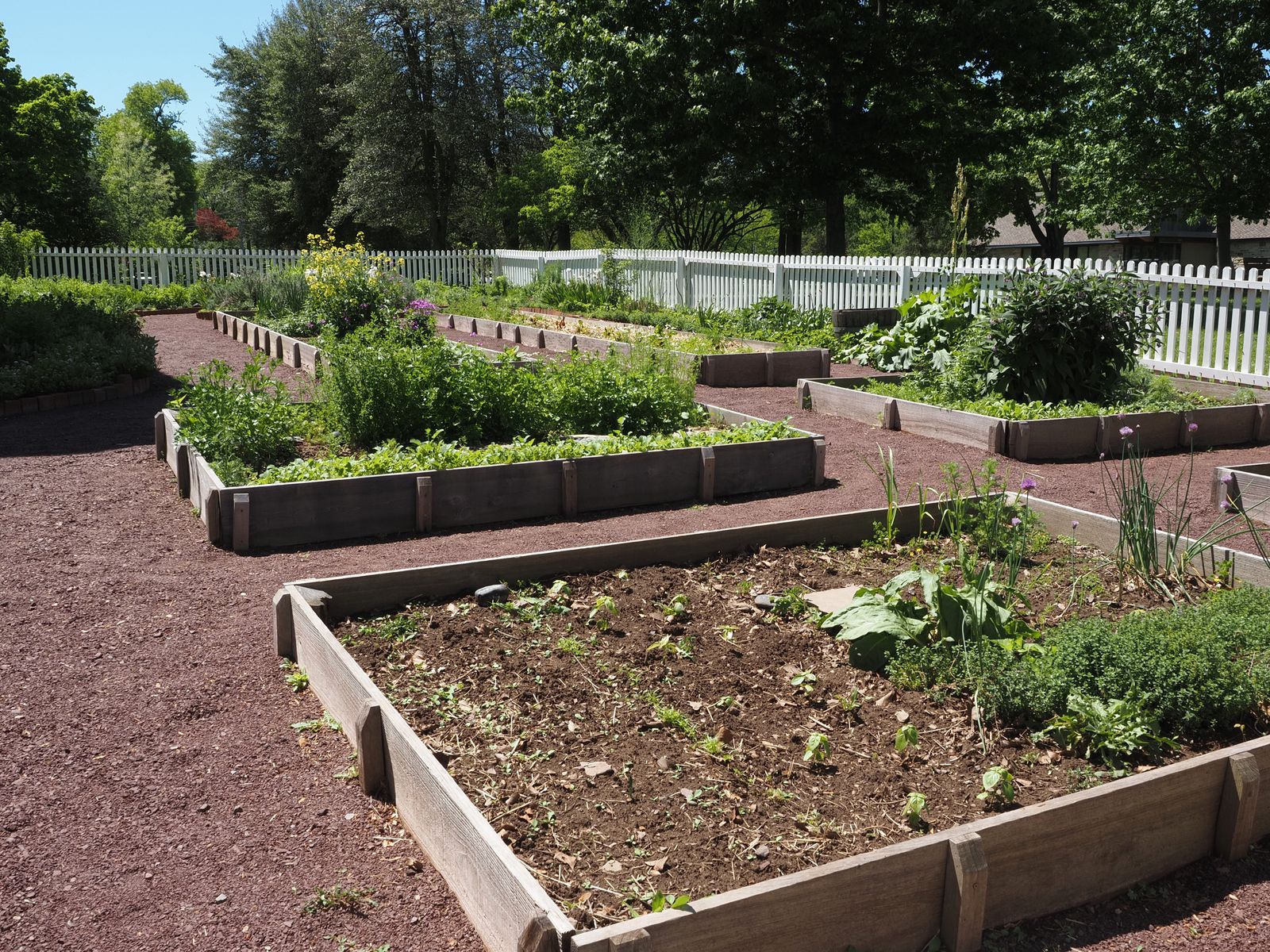
So you’ve decided to build a raised bed — smart move if you’re dealing with clay soil, bad drainage, or a bad back. Now comes the question that trips up almost every first-time buyer: cedar or metal?
Both show up constantly in raised bed kits and DIY plans, and both have loyal fans. The honest answer is that cedar vs metal raised beds comes down to how many years you want out of the structure, what you’re willing to spend upfront, and a couple of quirks — soil warming, splinters, rust — that only show up after a season or two of use.
Here’s what actually matters, backed by real numbers instead of marketing copy.
Table of Contents
- How Long Does Each One Actually Last?
- Cost: Upfront Price vs. Cost Per Year
- Safety: What’s in Contact With Your Soil
- Heat: Does Metal Cook Your Plant Roots?
- Looks, Maintenance, and Everyday Use
- Cedar vs Metal: Side-by-Side
- Frequently Asked Questions
Key Takeaways
- Cedar typically lasts 10–15 years untreated; a well-built bed in a dry climate can stretch past 20.
- Galvanized steel (especially Zn-Al-Mg coated) typically lasts 20–30 years and rarely needs any maintenance.
- Cedar costs less upfront (roughly $75–$150 for a 4×8 bed) but wins the “cost per year” math against cheaper wood, not necessarily against steel.
- Steel’s cost-per-year usually beats cedar’s once you factor in a full rebuild every 10–15 years.
- Metal beds do run a few degrees warmer at the edges — a real effect, but rarely enough to hurt plants if you mulch and water consistently.
How Long Does Each One Actually Last?
Cedar is the gold standard among woods for raised beds because the natural oils in the heartwood resist rot and insects without any chemical treatment. Left unsealed, a solid cedar bed typically holds up for 10 to 15 years, and thicker (2-inch) boards in a dry climate with good drainage can push past 20. Wet climates, thin lumber, and soil piled against the wood all shorten that window. Standard pine, by contrast, usually breaks down in about 5 years — the price difference between pine and cedar is what you’re paying to skip a rebuild.
Galvanized steel goes the other direction: it’s not organic, so rot and insects aren’t a factor. The wildcard is the coating. Older hot-dip galvanized steel resists rust for roughly 15–20 years. Newer zinc-aluminum-magnesium (Zn-Al-Mg) coatings, now standard on most quality kits, hold up considerably longer, with manufacturers backing them with 20- to 30-year structural warranties. Either way, the coating fails first — once it’s breached by a deep scratch or chronically acidic soil, rust works outward from that point.
Bottom line: for raw lifespan, metal wins. If you want to plant it once and forget about the frame for two decades-plus, steel is the safer bet.
Cost: Upfront Price vs. Cost Per Year
Sticker price tells the opposite story from lifespan, which is why this comparison confuses people.
- Cedar: roughly $3–$5 per linear foot of lumber, which puts a standard 4×8-foot bed around $75–$150 for materials if you build it yourself.
- Galvanized/Zn-Al-Mg steel kit: a ready-to-assemble 4×8 kit typically runs $150–$260, more for taller beds or larger footprints.
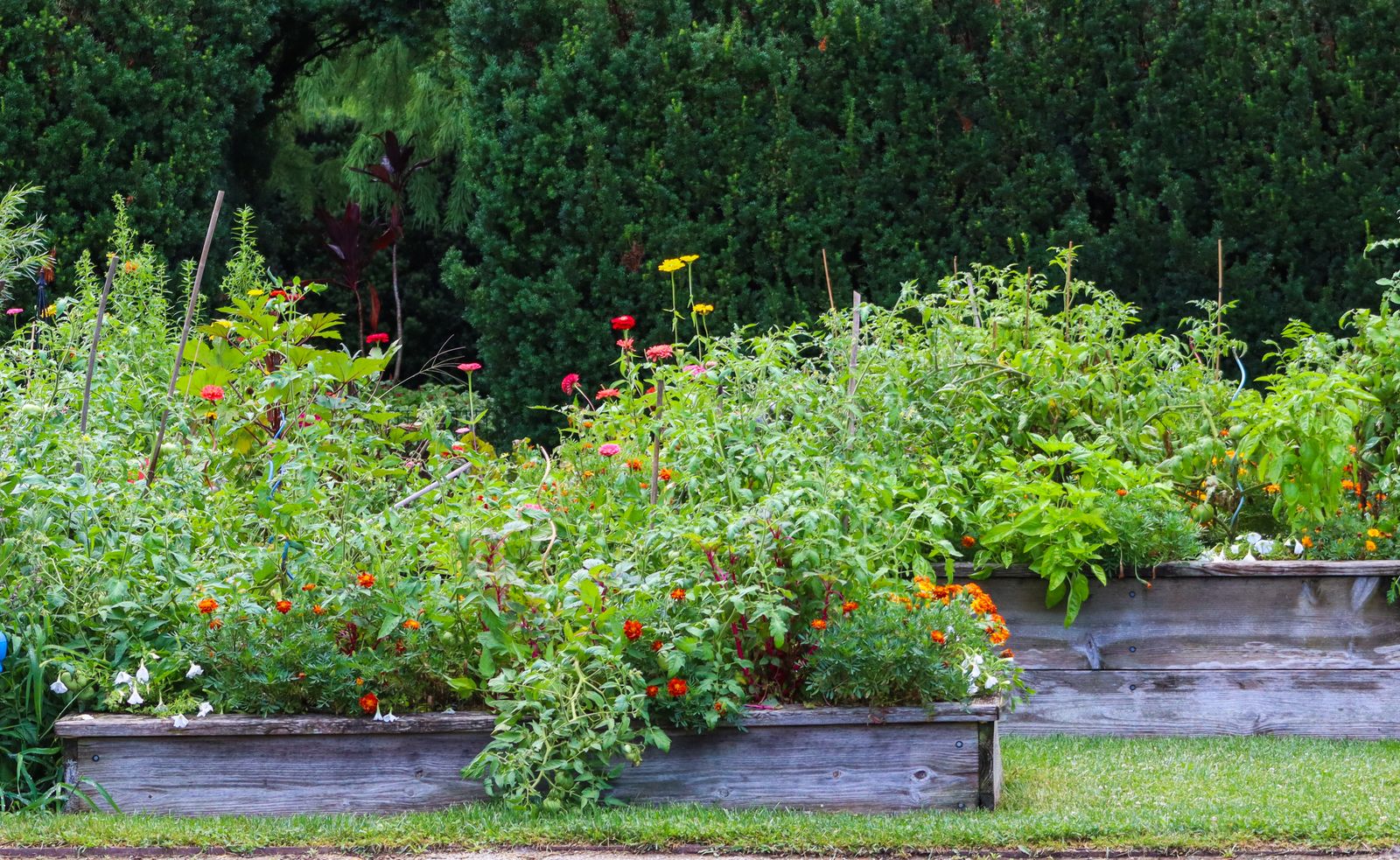
Cedar wins on day one. But run the numbers over the bed’s actual life and the picture flips. A $120 cedar bed replaced every 10 years costs about $12/year in materials alone, before your labor. A $220 steel bed rated for 25 years costs closer to $9/year and never asks for a rebuild weekend.
If cash flow today matters more than cost per year, cedar is still the right call — just budget mentally for a rebuild in the 10–15 year range.
Safety: What’s in Contact With Your Soil
This is the question most gardeners actually worry about, especially for a vegetable garden.
Untreated cedar has no additives — it’s simply wood, which is why university extension programs list it as a default recommendation for anyone who wants zero chemical uncertainty. If you go with pressure-treated lumber instead to save money, modern treatments use micronized copper azole (MCA), not the older arsenic-based CCA the EPA restricted in 2004. Research cited by that same University of Maryland Extension source found MCA-treated wood raises copper slightly in the soil right next to the boards, but not in the vegetables grown in it. For extra peace of mind, line a treated-wood bed with heavy plastic sheeting (with drainage holes) before filling it.
Galvanized and Zn-Al-Mg steel are inert once installed — no leaching, no off-gassing. The one real caution: keep soil pH close to neutral, since chronically acidic soil accelerates zinc coating breakdown over years, which is what eventually opens the door to rust.
Both materials are considered safe for growing food when used as intended.

Heat: Does Metal Cook Your Plant Roots?
This is the most-repeated worry about metal beds, and it deserves a straight answer: it’s a real effect, but usually a minor one.
On a hot, sunny day, the metal panel itself can heat well past the surrounding air temperature, and that heat does transfer into the soil right against the wall — testing has shown edge soil running roughly 8°F warmer than soil at the bed’s center, where readings track close to normal in-ground temperatures. The exception is a bed with thin soil, full sun all day, and no mulch, where surface soil can spike well above what roots want.
The fix is simple and something you should be doing anyway: keep 2–3 inches of mulch on top, water consistently so the soil mass buffers temperature swings, and give tender seedlings a little afternoon shade during the hottest stretch of summer. Plant heat-lovers like tomatoes and peppers near the warmer edges and cool-season crops like lettuce toward the middle.
Cedar doesn’t have this issue — wood doesn’t conduct heat the way metal does, so soil temperature in a cedar bed tracks close to ambient no matter where you’re standing in it.
Looks, Maintenance, and Everyday Use
Cedar ages into a soft silvery-gray if left unsealed — a classic look that blends into most yards. It weighs more, which some gardeners like for stability and others dislike for portability. Check corner joints yearly, since hardware loosens as wood swells and contracts with moisture.
Steel keeps its powder-coated color for years and reads as more modern. It’s lightweight for its size, and panels bolt or slot together without the carpentry skills cedar requires. The trade-off: a dented panel is harder to fix than a cracked board, and edges can be sharp until you’ve handled the bed a few times.
Both materials come as pre-cut kits if you’d rather not measure and cut your own — see our guide to essential garden tools for what you’ll want on hand either way.
Cedar vs Metal: Side-by-Side
| Cedar | Galvanized / Zn-Al-Mg Steel | |
|---|---|---|
| Typical lifespan | 10–15 years (up to 20+ in dry climates) | 20–30 years |
| Upfront cost (4×8 bed) | $75–$150 | $150–$260 |
| Cost per year (rough) | ~$10–$15 | ~$8–$12 |
| Soil safety | No additives; naturally rot-resistant | Inert; watch soil pH near neutral |
| Heat retention | Minimal; tracks ambient soil temp | Edges run ~8°F warmer in full sun |
| Maintenance | Check joints yearly; optional sealant | Essentially none until coating wears |
| Best for | Budget builds, classic look, DIY carpentry fans | Long-term “set it and forget it” beds, hot climates with proper mulching |
| Watch out for | Rot at soil-contact edges over time | Coating scratches, low soil pH |
Frequently Asked Questions
Do I need to line a cedar raised bed with plastic?
No — untreated cedar doesn’t require a liner. A liner is really only a precaution for pressure-treated wood, and even then it’s optional based on the University of Maryland Extension’s findings on modern MCA treatments.
Will a metal raised bed rust through in a few years?
Not if it’s genuinely galvanized or Zn-Al-Mg coated steel. Rust becomes a real risk only after the coating is physically scratched through or the soil stays chronically acidic for years. Cheap uncoated or thinly coated metal is the exception — check the product description before buying.
Can I mix materials, like a metal bed with a wood cap?
Yes, and many kits do this on purpose — a wood or composite cap rail on a metal bed frame gives you a comfortable place to sit or rest tools while keeping the structural durability of steel.
Which one is better for hot climates — Texas, Arizona, the Southeast?
Cedar has a slight edge if you’re not able to mulch reliably, since it won’t heat the soil at the edges. If you do mulch and water consistently, steel performs fine even in hot-summer regions — just avoid dark, unshaded panels in full afternoon sun.
Does the wood or metal itself affect how the soil mix inside performs?
No — what you fill the bed with matters far more than what it’s built from. See our raised bed soil mix recipe for the ratios that actually drive plant health.
Final Thoughts
There’s no universally “right” answer here — just a trade-off between paying less now (cedar) or paying a little more once for a frame that outlasts two cedar rebuilds (steel). If you’re testing whether raised bed gardening is for you, start with cedar; it’s cheaper to walk away from if it’s not your thing. If you already know you’re in it for the long haul, steel earns its higher price tag back in avoided labor alone.
Whichever frame you choose, what goes inside it matters more for your harvest — check out our category page for vegetable garden guides for what to grow once the bed is built, or our raised bed soil mix recipe to get the ratios right from day one.