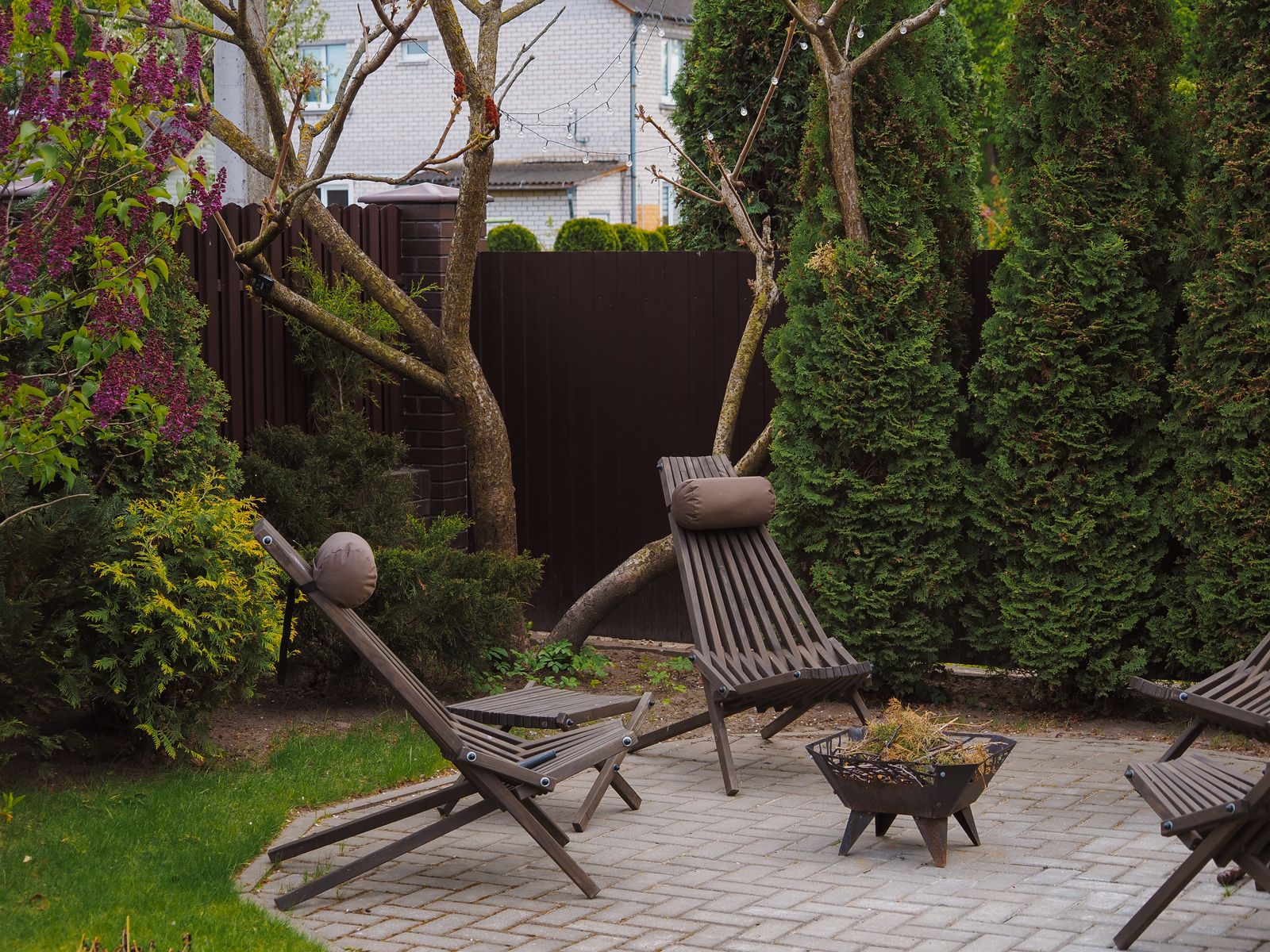
A small backyard doesn’t have to feel small. The gap between a cramped, cluttered patio and a compact yard that feels twice its size usually comes down to a handful of layout tricks, not square footage. These small backyard ideas are the ones landscape designers actually use — zoning, sightlines, scale, and a few well-placed focal points — and every one of them works whether you’re dealing with a 10-by-12-foot patio or a quarter-acre suburban lot.
None of this requires a full renovation budget. Most of these ideas are about rearranging what you already have, or making a few targeted changes, rather than tearing everything out and starting over.
Table of Contents
- 9 Ideas That Make a Small Backyard Feel Bigger
- Small Backyard Style Approaches Compared
- Frequently Asked Questions
- Final Thoughts
Key Takeaways
- Break the yard into distinct “outdoor rooms” instead of one open, undefined space — it reads as bigger, not smaller.
- Keep the material and plant palette simple; a few repeated choices unify a small space, while too much variety makes it feel busier and smaller.
- Angle a patio or path on a diagonal to stretch the visible sightline across the yard’s longest dimension.
- Go vertical with trellises and wall-mounted planters — it adds growing space without using any more ground.
- Limit yourself to one to three focal points. More than that competes for attention and makes the space feel cluttered.
9 Ideas That Make a Small Backyard Feel Bigger
1. Zone the yard into outdoor rooms
Instead of one open stretch of lawn and patio, divide the space into distinct areas — a dining spot, a lounge corner, a small planting bed — the way NC State Extension’s Gardener Handbook describes garden rooms: destinations enclosed the way an indoor room is, just using hedges, low walls, or plantings instead of drywall. Moving between distinct zones, even in a tiny yard, creates a sense of a journey instead of one static view.
2. Keep materials and plants simple
Small spaces get busy fast. NC State Extension’s design guidance recommends large masses and groups with fewer individual species, rather than a little bit of everything. Pick one or two hardscape materials and a short plant list, then repeat them — repetition and unity read as intentional design, while variety for its own sake makes a small yard look cluttered and, paradoxically, smaller.
3. Angle the patio or path on a diagonal
A path or patio laid parallel to the fence shows its full boundary at a glance, and your brain reads that boundary as the size of the space. Rotate hardscape elements toward the yard’s longest diagonal instead, and the sightline stretches, making the yard read as deeper than it is.
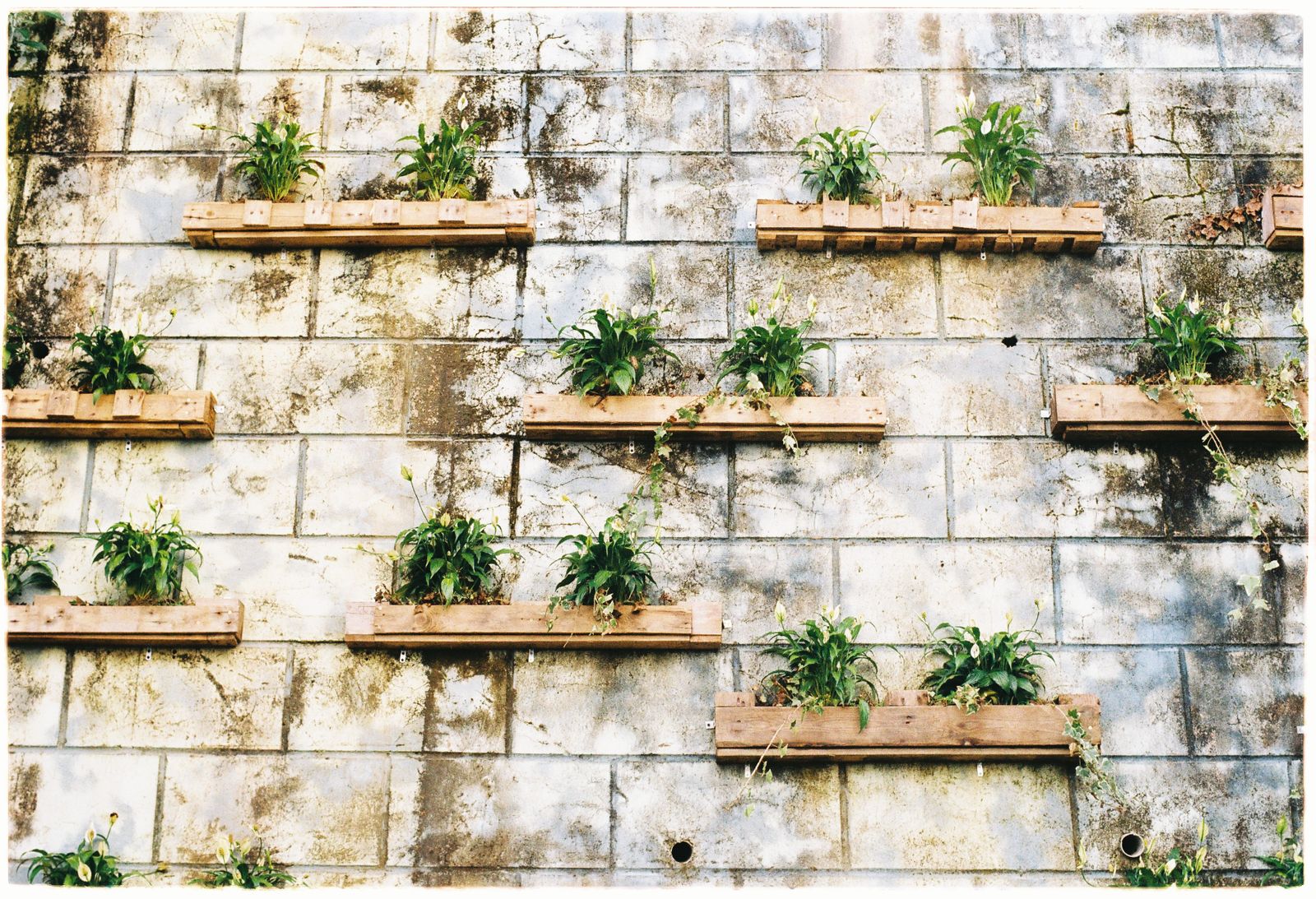
4. Go vertical
Trellises, wall-mounted planters, and stacked containers add growing space without using any additional ground footprint. Virginia Tech Extension notes that trellised plants can produce significantly more yield per square foot than the same plants sprawling at ground level, and keeping foliage off the ground also improves airflow and cuts down on some pest and disease problems. In a small backyard, going vertical is one of the few ways to add more without giving anything up.
5. Pick one to three focal points, not more
A focal point — a small tree, a piece of art, a water feature — works by contrast, drawing the eye and anchoring the design. NC State Extension’s guidance is to limit a small space to one to three focal points; beyond that, they start competing with each other and the yard loses the sense of calm that actually makes it feel larger.
6. Hide or darken the boundary
A fence painted a dark, muted color recedes visually instead of announcing exactly where the yard ends. Dense planting, vines, or a vertical screen in the corners softens the hard edges further — when the full perimeter isn’t obvious at a glance, the brain has a harder time sizing up the space, which works in your favor.
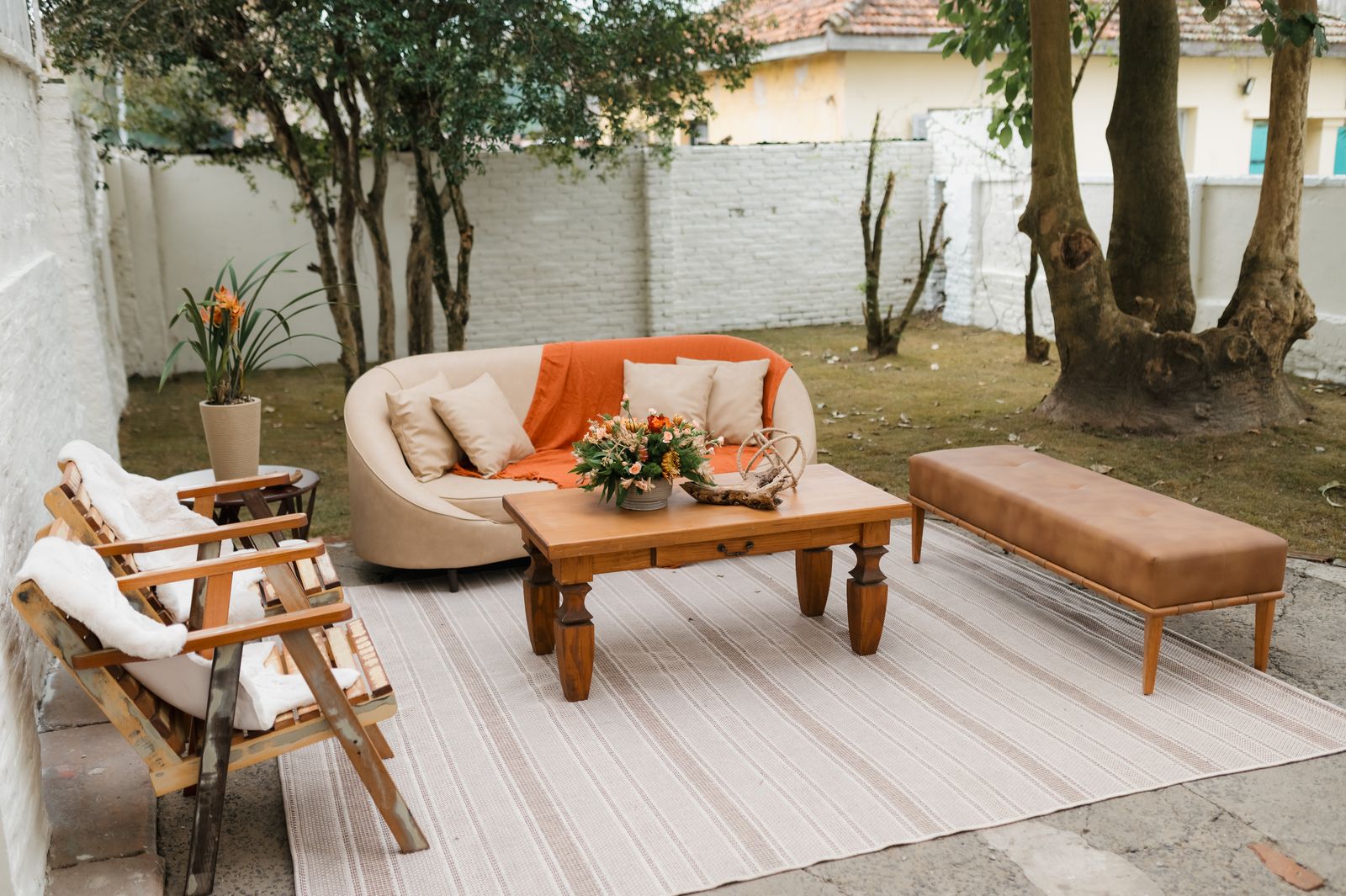
7. Scale furniture and containers to the space
Oversized furniture is one of the fastest ways to make a small backyard feel like a storage unit. Choose pieces sized for the actual footprint, and favor a few well-proportioned containers over a scattered collection of mismatched pots.
8. Layer the planting beds
A single flat row of plants along the fence reads as thin and one-dimensional. Stagger heights instead — low groundcover in front, mid-height perennials behind, a taller shrub or small tree at the back — the same layering idea behind our guide to native plant landscaping design. The tiered look adds depth and leads the eye up and back instead of stopping flat against the fence.
9. Add lighting or a small water feature for evening depth
Layered, low lighting extends how the yard reads after dark and adds a sense of depth that a single floodlight can’t. Even a small, contained water feature — a bubbling pot or a compact fountain — adds movement and sound that makes a tight space feel more alive rather than boxed in.
Small Backyard Style Approaches Compared
| Approach | Best for | Upfront cost | Watch out for |
|---|---|---|---|
| Zoned “outdoor rooms” | Yards used for multiple purposes (dining, lounging, gardening) | $$ | Needs clear transitions or it reads as clutter instead of zones |
| Minimalist / simplified palette | Very small or oddly shaped lots | $ | Can feel stark without at least one strong focal point |
| Vertical-first | Renters, patios, yards with little ground space | $ | Structures need secure anchoring to fences or walls |
| Container-first | Patios, decks, spaces with poor native soil | $$ | Containers dry out faster and need more frequent watering |
Frequently Asked Questions
How small does a yard have to be for these ideas to help?
There’s no cutoff — the same principles apply whether you’re working with a small city lot or just a corner of a larger yard you want to feel more intentional. Zoning and focal points scale down easily.
Do I need a professional landscape designer?
Not necessarily. Many of these changes — angling a path, painting a fence, editing down your plant list — are DIY-friendly. A designer helps most with structural changes like grading, drainage, or built-in seating.
Can I still have a lawn in a small backyard?
Yes, though a smaller, well-defined lawn shape usually reads better than an oddly shaped leftover patch. If you’re considering cutting it out entirely, our guide to no-grass front yard ideas covers gravel beds, groundcovers, and other lawn alternatives that work just as well in a backyard.
What’s the cheapest way to make a small backyard feel bigger?
Editing down clutter and simplifying your plant and material palette costs nothing but time, and it’s often the single biggest visual improvement available before you spend on anything new.
Will mirrors actually make a backyard look bigger?
Outdoor-rated mirrors can add the illusion of depth by reflecting plants or sky, but they’re a smaller effect than zoning, sightlines, and scale — treat them as a finishing touch, not the main strategy.
Final Thoughts
A small backyard feels bigger when it’s organized with intention rather than crammed with everything you own. Start with one or two of these ideas — zoning the space and editing your plant palette down usually make the biggest difference for the least effort — and build from there. If you want the right tools on hand before you start moving beds or building a trellis, see our guide to essential garden tools for beginners, and browse our Garden Design category for more layout ideas.