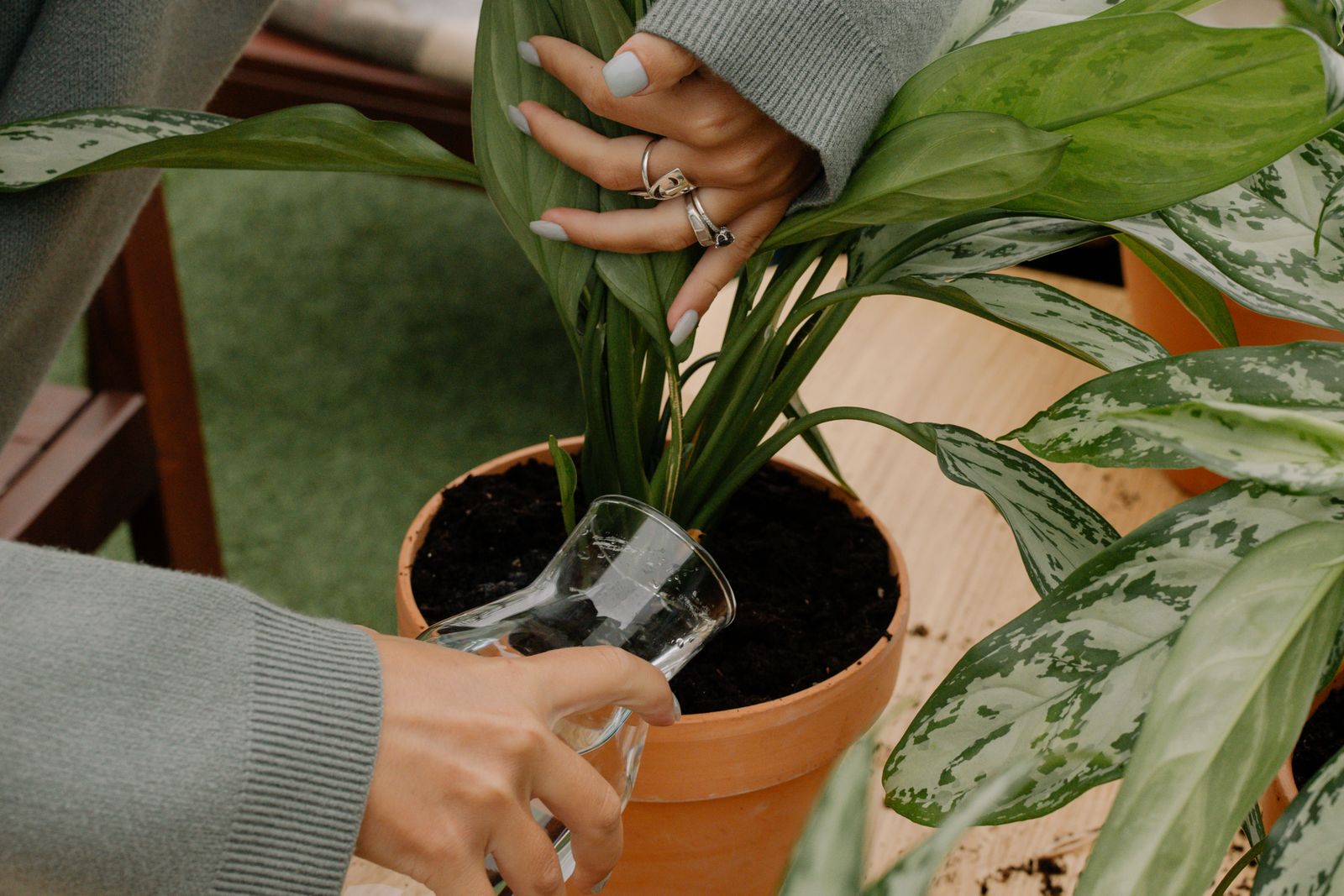
If there’s one question that comes up more than any other in houseplant care, it’s this: how often should I actually be watering? The honest answer is that there’s no single number — a fern and a snake plant on the same windowsill can need water on completely different schedules.
Knowing how often to water houseplants by plant type, plus a couple of simple checks that beat any calendar, takes the guesswork out of it. Overwatering, not underwatering, is the top killer of houseplants, so getting this right matters more than almost anything else you’ll do for your collection.
Here’s a real, usable framework — not a one-size-fits-all schedule that sets you up to drown your plants.
Table of Contents
- Why There’s No Universal Watering Schedule
- The Finger Test: Your Best Tool
- Watering Frequency by Plant Type
- Signs You’re Overwatering
- Signs You’re Underwatering
- Factors That Change How Often You Water
- Frequently Asked Questions
Key Takeaways
- Check soil moisture, don’t follow a fixed schedule — the finger test beats any calendar.
- Succulents and cacti want to dry out completely between waterings; ferns want to stay lightly, consistently moist.
- Overwatering kills more houseplants than underwatering — when in doubt, wait another day.
- Watering needs change with the season, pot material, and how much light a plant gets — the same plant drinks less in winter.
- A heavy pot with soggy soil points to overwatering; a light pot with bone-dry, pulled-away soil points to underwatering.
Why There’s No Universal Watering Schedule
“Water once a week” is the most common houseplant advice out there, and it’s also responsible for a lot of dead plants. Watering needs depend on the plant’s natural habitat, its pot size and material, the light it receives, the season, and even the humidity in your specific room. The University of Maryland Extension notes that conditions vary room to room in the same house — light intensity, temperature, and distance from a heating or cooling vent all change how fast soil dries out.
That’s why the goal isn’t memorizing a schedule. It’s learning to read what the plant and soil are actually telling you.
The Finger Test: Your Best Tool
Before you water anything, do this: push a finger about 1 to 2 inches into the soil.
- Dry at that depth? Time to water.
- Slightly cool and moist? Wait another day or two and check again.
- Wet? Skip it entirely and check back tomorrow.
According to UConn Extension, when you do water, apply enough that excess visibly drains from the bottom of the pot after about a minute — that tells you the whole root ball got moisture, not just the top layer. Empty the saucer within an hour so roots aren’t sitting in standing water.
No moisture meter or green thumb required — just your finger and a habit of checking before you pour.
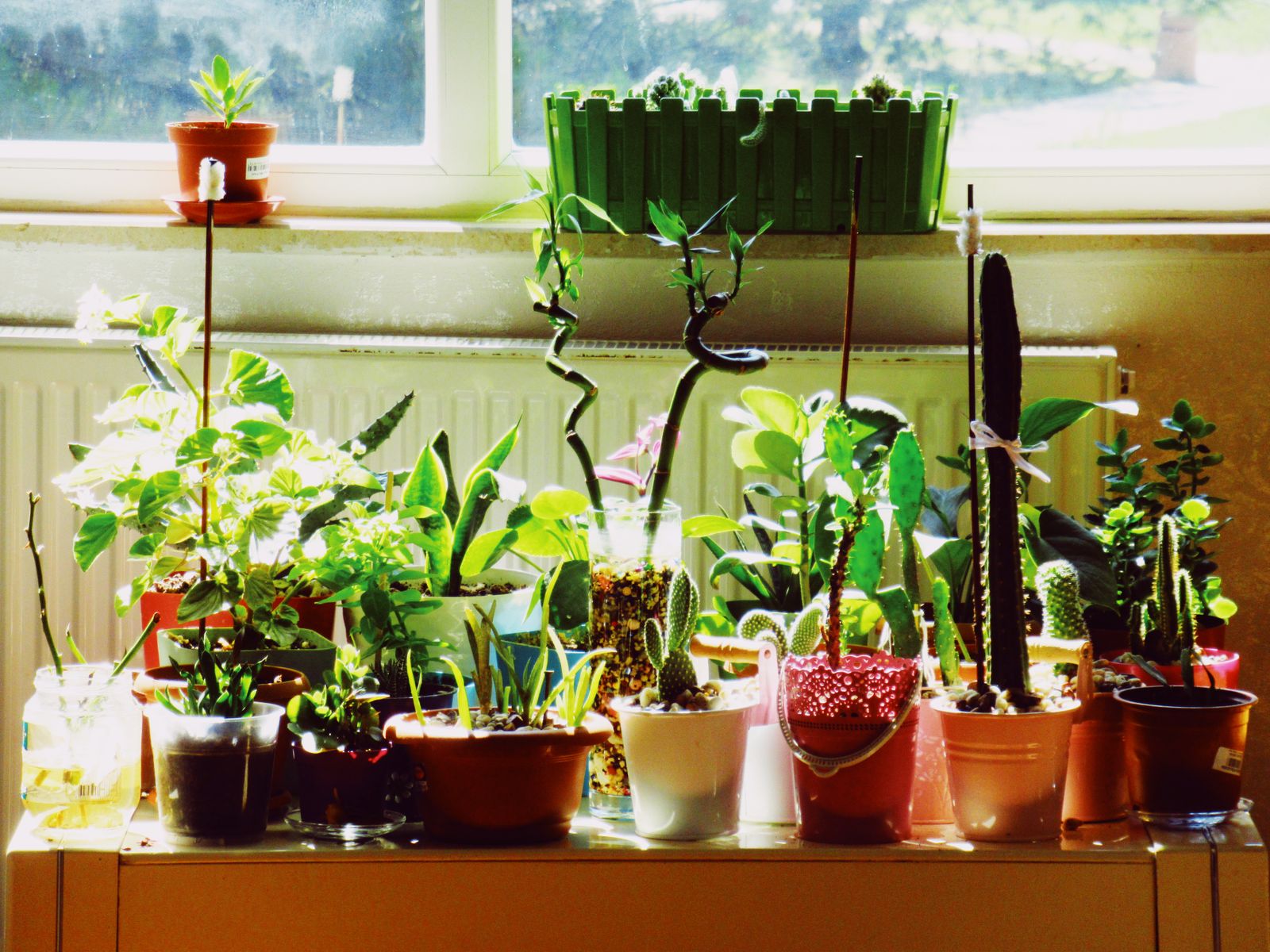
Watering Frequency by Plant Type
Use this as a starting point, then let the finger test fine-tune it for your specific home:
| Plant type | General frequency | Examples |
|---|---|---|
| Succulents & cacti | Let dry out completely; water every 2–3 weeks | Jade plant, aloe, echeveria |
| Snake plant, ZZ plant | Let dry out fully between waterings; every 2–3 weeks | Snake plant, ZZ plant |
| Pothos, philodendron | Water when top 1–2 in. of soil is dry; roughly weekly | Pothos, heartleaf philodendron |
| Tropical foliage plants | Water when top inch is dry; every 5–9 days | Monstera, peace lily, dracaena |
| Ferns | Keep lightly, consistently moist — never soggy, never bone dry | Boston fern, maidenhair fern |
| Orchids | Water thoroughly, then let dry almost completely; every 7–10 days | Phalaenopsis |
The Missouri Botanical Garden groups plants the same way: succulents and cacti want well-draining, sandy soil that dries out fully between waterings, while ferns prefer organic, well-draining soil kept consistently moist without ever turning soggy. Thick, waxy, or sparse-leaved plants generally need less frequent watering than plants with many soft, lush leaves — more leaf surface means more water lost to the air, and more water the roots need to replace.
Signs You’re Overwatering
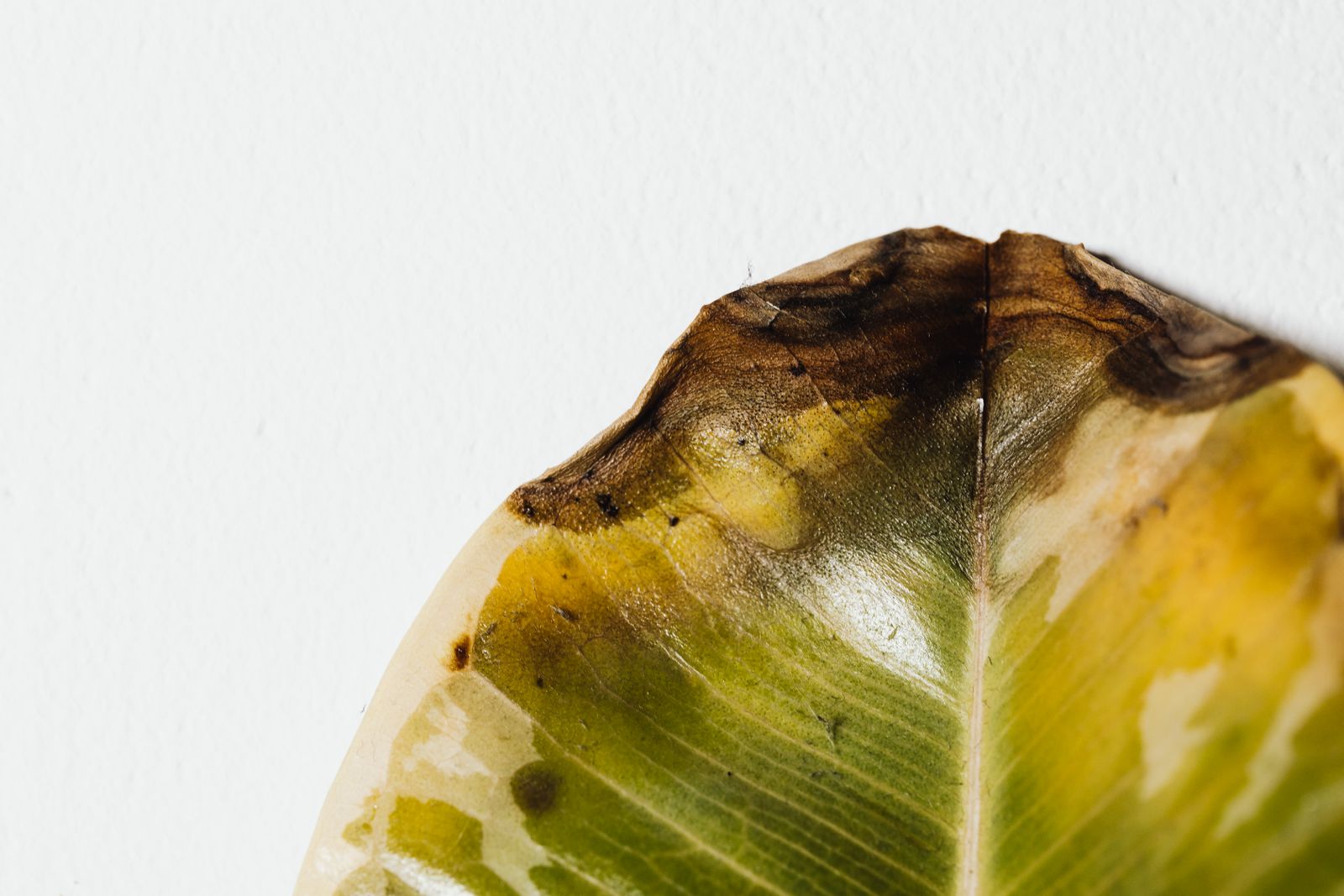
Overwatering is the more common — and more damaging — mistake, since it can lead straight to root rot. Watch for:
- Yellowing leaves, especially new growth that yellows and drops
- Soil that stays damp for days after watering
- A musty smell coming from the pot
- Soft, mushy stems or leaves
- Fungus gnats hovering around the soil surface
If you’re seeing several of these together, ease off watering and let the soil dry out more between sessions. If leaves are yellowing and the base feels mushy, check the roots — that’s often root rot already underway, and catching it early is the difference between saving the plant and losing it. Yellow leaves can also point to several other causes, so it’s worth ruling those out too.
Signs You’re Underwatering
Underwatering is easier to fix and rarely fatal if caught in time:
- Leaves feel limp, curled, or crispy at the edges
- Soil has visibly pulled away from the sides of the pot
- The pot feels noticeably lighter than usual when you pick it up
- Lower leaves drop first, while new growth still looks fine
A thorough soak usually perks the plant back up within a day. If a pot has gone bone-dry, water it slowly in two or three passes rather than one flood — very dry potting mix can repel water at first and let it run straight through without absorbing.
Factors That Change How Often You Water Houseplants
The same plant won’t need water on the same schedule year-round. A few things shift the timeline:
- Season: Most houseplants slow down in fall and winter as light drops, so they need less water — often half as often as in summer.
- Pot material: Unglazed terra cotta dries out faster than plastic or glazed ceramic, since the porous clay lets moisture evaporate through the sides.
- Pot size: An oversized pot holds more soil than the roots can use, which keeps it wet longer and raises the risk of root rot.
- Light: More light generally means faster growth and faster-drying soil, so brighter spots typically need more frequent checks. This is one more reason a plant thriving in low light usually needs watering less often than the same species in a sunny window.
- Heating and cooling vents: Placing a plant near a vent dries the surrounding air and soil faster — keep pots a few feet away where possible.
Frequently Asked Questions
Is it better to underwater or overwater a houseplant?
Underwater, if you have to pick one. A wilted plant from underwatering usually recovers fully after a good soak, while overwatering can cause root rot that’s much harder — sometimes impossible — to reverse.
Should I water on a fixed schedule, like every Sunday?
No. A schedule ignores the season, your home’s humidity, and how fast that specific pot dries out. Check the soil first every time; water only when it’s actually needed.
Do all houseplants need less water in winter?
Most do, since lower light slows growth and the plant simply uses less water. Exceptions include plants near a heat vent or a very dry, forced-air heated room, where the air (not the plant’s growth rate) is what’s pulling moisture out of the soil faster.
What’s the best time of day to water houseplants?
Morning is ideal. It gives excess moisture on leaves time to evaporate during the day and lets the plant take up water before the cooler, slower-growing evening hours.
Can I use tap water, or does it need to be filtered?
Tap water is fine for most houseplants. A small number of sensitive plants — certain ferns and orchids among them — can show leaf-tip browning from fluoride or chlorine over time; letting tap water sit out overnight before use helps some of that dissipate.
Final Thoughts
Watering well isn’t about memorizing a perfect number of days — it’s about checking in with the actual plant and soil in front of you. Learn what “dry” and “moist” feel like an inch down, match that check-in to what kind of plant you’re growing, and you’ll avoid the mistake that kills more houseplants than anything else.
For a deeper look at diagnosing watering problems once they show up in the leaves, see our guide to yellow leaves on plants, or browse the full Plant Care category for more seasonal care basics.